






Beyond the Eco-Conscious Label
The conversation around sustainable fashion is often dominated by materials and methods: organic cotton, recycled polyester, fair-trade certifications, and low-impact dyes. [16] These are undeniably important pillars of the movement. [2] However, an obsession
with certification can sometimes overshadow a more fundamental question: is the clothing actually wearable? If a responsibly-made garment hangs in the closet, unworn because it's unflattering, uncomfortable, or simply doesn't fit into our daily lives, its sustainability is purely theoretical. The truest measure of sustainable clothing isn't just how it's made, but how much it's worn. Longevity and utility are the ultimate markers of a conscious wardrobe, making wearability a non-negotiable part of the equation. [20, 21]
The 'Art Project' Problem in Eco-Fashion
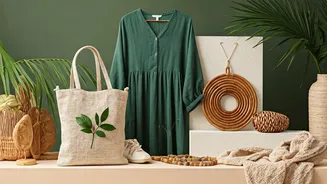
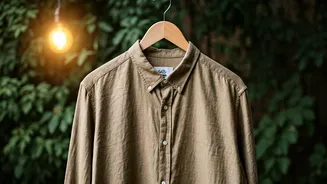
A significant segment of the sustainable market has been criticised for its aesthetic, which often leans towards shapeless, boxy silhouettes and a muted, earthy palette. [22, 23] This has been dubbed the "oatmeal-looking" problem, where the clothes signal their eco-credentials through a raw, unpolished, and sometimes drab appearance. [22, 23] While this minimalist, natural look appeals to some, it alienates a huge swathe of consumers who see fashion as a form of self-expression, joy, and confidence. [22] These garments can feel more like conceptual art projects than functional clothing, failing to integrate into the modern Indian wardrobe that demands versatility for office commutes, social gatherings, and family functions. The insistence on this singular, austere aesthetic has, for many, made sustainable fashion synonymous with boring. [19, 22]
Redefining Wearability for the Indian Climate
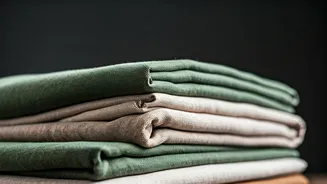
So, what makes a garment truly wearable in 2026, especially in India? It comes down to a blend of comfort, style, and practicality. The fabric is paramount. Given India's diverse and often humid climate, breathability is key. [11] Sustainable fabrics like linen, organic cotton, Tencel (Lyocell), and bamboo blends are gaining popularity because they help regulate temperature and manage moisture effectively. [3, 4] Beyond fabric, wearability is about intelligent design. It means silhouettes that flatter real bodies, offer ease of movement, and are versatile enough to be dressed up or down. A timeless piece is no longer just a classic trench coat; it's any item that is well-made, feels authentic to the wearer, and adapts to their lifestyle. [12, 18]
The Indian Brands Getting It Right
Thankfully, a growing number of Indian brands are proving that sustainability and style are not mutually exclusive. Brands like Nicobar and The Summer House focus on modern, clean silhouettes crafted from natural fibres that are perfect for a contemporary lifestyle. [9, 15] Suta has built a loyal following with its breathable mulmul cotton sarees that blend tradition with everyday comfort. [7] Labels like No Nasties and Bhaane offer minimalist, urban aesthetics with a firm commitment to organic materials and transparent processes. [5, 9] These brands understand the brief: create beautiful, high-quality clothes that people will want to reach for again and again, proving that conscious design can be aspirational, not just alternative. [16]
How to Build a Truly Sustainable Wardrobe
Shifting your mindset is the first step. Instead of collecting clothes for the sake of their sustainable tags, focus on building a functional and loved wardrobe. The '30 Wears' test is a great starting point: before buying something, ask yourself if you can realistically see yourself wearing it at least 30 times. Consider its versatility. Can it be styled in multiple ways for different occasions? Does the fabric feel good on your skin and suit your local climate? [11] Prioritise quality craftsmanship and a great fit over fleeting trends. [12] This approach, known as 'slow fashion', not only reduces waste but also saves money in the long run by focusing on quality over quantity. [25] It’s about being a conscious consumer, not just a collector of eco-friendly products.