




Our Cities Are Getting Hotter
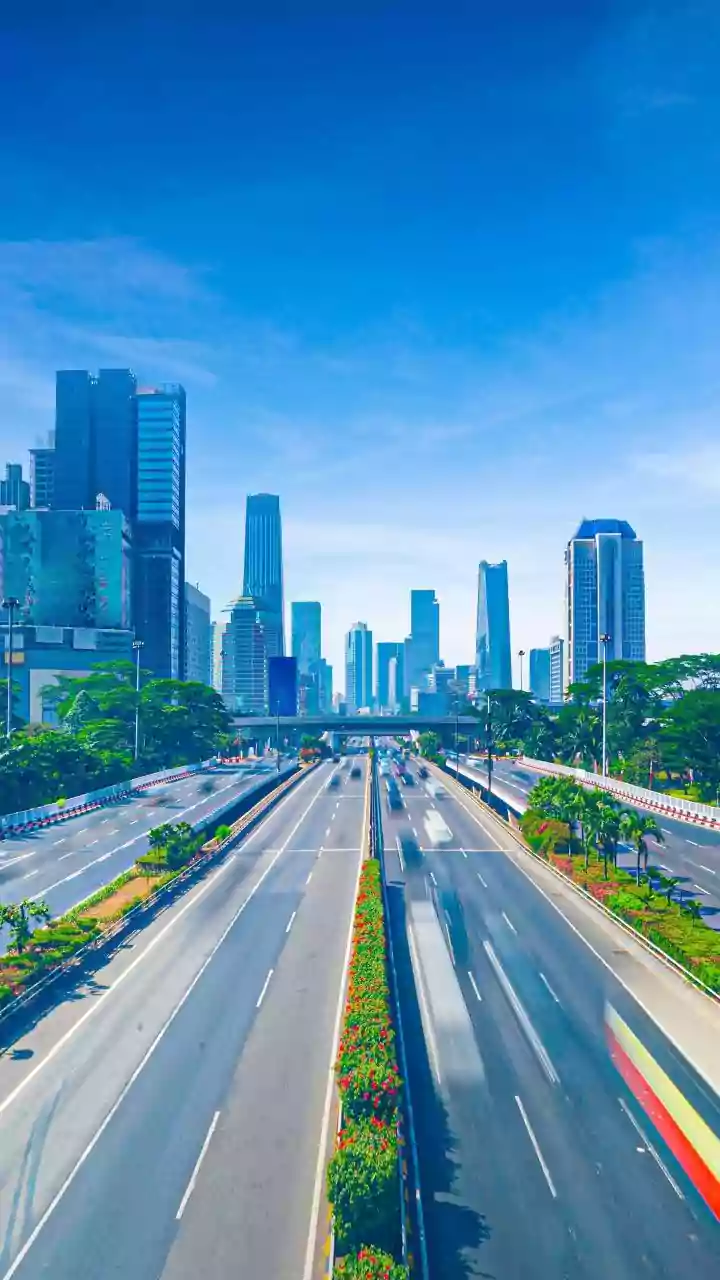
Walk through any major Indian city on a summer afternoon and you can feel the heat radiating from the ground up. Roads and buildings absorb sunlight all day and release that energy as heat, often keeping neighbourhoods warm well into the night. This is known
as the urban heat island effect, and it can make cities several degrees warmer than surrounding rural areas. Dark asphalt, the material used for most roads, is a major culprit; it can absorb up to 95% of the sunlight that hits it, causing surface temperatures to soar. This excess heat strains energy grids as demand for air conditioning rises, worsens air quality by accelerating smog formation, and poses health risks to vulnerable populations.
The Simple Science of Cool Pavements
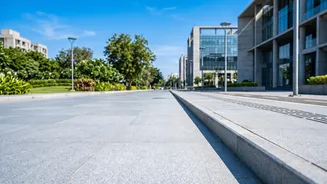
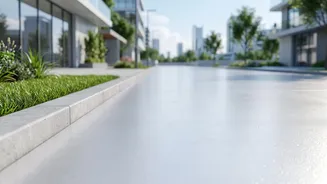
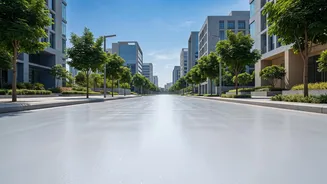
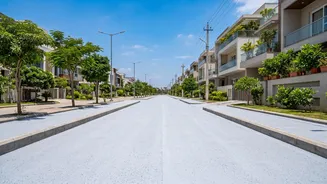
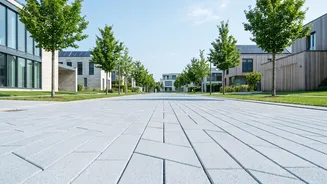
The solution is surprisingly intuitive: make the roads lighter. 'Cool pavements' are surfaces engineered to stay cooler than conventional black asphalt. The most common approach involves using reflective materials. Think of it like wearing a white shirt instead of a black one on a sunny day. The lighter colour reflects more sunlight and absorbs less heat. Scientists measure this reflectivity using a metric called albedo. While traditional asphalt has a very low albedo, cool pavements can be designed with a much higher albedo, reflecting significantly more solar radiation back into the atmosphere instead of storing it as heat.
Advanced Materials and 'Bio-Engineering'
The term 'bio-engineered' in the headline points to the advanced material science behind these surfaces. While some options simply involve using lighter-coloured concrete, many new solutions use sophisticated coatings and binders. These can be thin, polymer-modified cement overlays or water-based asphalt treatments that are applied directly onto existing roads. Some formulations use clear binders made from materials like tree resins instead of petroleum-based elements, revealing the natural colour of light-coloured stones (aggregates) within the pavement mix. Others embed special infrared-reflective pigments into the coating that are designed to bounce back solar energy. One pilot project in Raleigh, USA, even mixed titanium dioxide into their road coating, which not only reflects heat but also reacts with vehicle exhaust to convert pollutants into less harmful substances.
Real-World Results and Benefits
Cities across the world, particularly in hot climates, have started piloting this technology with promising results. In Phoenix, Arizona, a large-scale project found that treated streets were up to 6.6°C cooler at midday compared to traditional asphalt. A study in a Los Angeles neighbourhood showed that reflective coatings lowered ambient air temperatures by as much as 1.9°C during an extreme heat event. Beyond cooling, the benefits are numerous. Lighter-coloured pavements improve nighttime visibility, which can reduce the need for street lighting and improve safety for drivers, cyclists, and pedestrians. By keeping the road surface cooler, these technologies can also slow down pavement decay, potentially reducing long-term maintenance costs.
The Challenges and Trade-Offs
Cool pavements are not a perfect solution, and there are important factors to consider. A significant issue is glare; a highly reflective road can be uncomfortably bright for drivers and pedestrians on a sunny day. Furthermore, while the pavement surface itself is cooler, some studies have noted that the reflected solar radiation can sometimes increase the feeling of heat for people walking nearby. There is also the matter of cost and durability. The initial installation can be more expensive than traditional methods, and the reflective coatings may degrade over time due to traffic and weather, requiring reapplication. Therefore, implementation has to be strategic, taking into account a neighbourhood's specific layout, traffic volume, and the presence of shade from trees and buildings.