





The Scoop on Serving Sizes
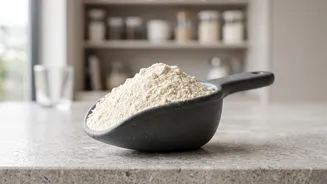
That plastic scoop in your protein tub is a suggestion, not a prescription. A typical scoop provides 20-30 grams of protein, but your ideal serving size depends on your personal daily protein target, not a one-size-fits-all measure. Your total daily protein need
is the most important number. For a sedentary adult, the recommendation is about 0.8 grams of protein per kilogram of body weight. However, for active individuals, needs are higher, ranging from 1.2 to 2.2 grams per kilogram of body weight, depending on the intensity of your exercise. Calculate your daily target first, then see how much protein you get from whole foods like chicken, eggs, lentils, and dairy. Use powder to fill the remaining gap, whether that’s one 30-gram shake or two smaller ones.
Myth: More Protein Powder Equals More Muscle
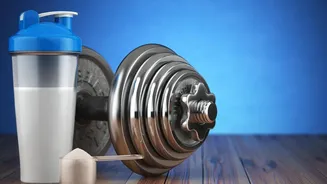
While protein is essential for muscle repair, simply consuming more of it won't automatically lead to more muscle growth. Building muscle requires resistance training to stimulate the process. Your body has a limit to how much protein it can use for muscle synthesis at one time. Studies show that consuming more than 40 grams in one sitting provides no additional benefit for muscle building. The body can't store excess protein; once your needs are met, the extra is either used for energy or stored as fat. So, while a post-workout shake is beneficial, doubling the scoops won't double your gains. Focus on consistent training and meeting your total daily protein goal spread throughout the day.
Myth: Protein Powder Will Make You Bulky
This is one of the most persistent myths, particularly among women who fear an unintentionally 'bulky' physique. The truth is, protein powder alone does not cause bulk. Gaining significant muscle mass, or 'bulking', requires a combination of two things: a consistent calorie surplus (eating more calories than you burn) and a specific type of heavy resistance training designed to produce muscular hypertrophy. Protein powder is just a convenient source of protein, much like chicken breast or eggs in powdered form. If you maintain a balanced diet and don't consume excess calories, using protein powder will support muscle tone and repair without adding unwanted bulk.
Myth: Protein Powder Is Bad for Your Kidneys
The fear that high-protein diets harm healthy kidneys is a long-standing myth that has been largely debunked by research. For individuals with normal kidney function, studies have shown that a higher protein intake does not cause kidney damage. The confusion stems from the fact that people with pre-existing chronic kidney disease (CKD) are often advised to follow a lower-protein diet. This is because their kidneys are already damaged and struggle to filter the waste products from protein metabolism. For a healthy person, however, the kidneys are perfectly capable of handling the workload from a standard or even high-protein diet.
Myth: You Must Drink a Shake Within 30 Minutes of a Workout
The famous 'anabolic window'—the idea that you have a 30-minute window post-workout to consume protein or you'll lose your gains—is largely a myth. While muscles are more sensitive to protein after exercise, this heightened state lasts for many hours, not just a few minutes. Modern research, including meta-analyses, has shown that immediate protein timing is far less important than your total daily protein intake. The anabolic effect of a workout can last for 24 hours or more. So, while having a shake after the gym is convenient and beneficial, there's no need to panic if you can't have one right away. What matters most is consistently hitting your protein target for the entire day.