


The New Era of Guilt-Free Indulgence
The idea of a “healthy dessert” is no longer an oxymoron. For years, dessert has been synonymous with sugary, high-fat indulgence—a guilty pleasure to be enjoyed sparingly. But a major shift is underway, driven by a growing desire for foods that are both
satisfying and functional. Protein desserts are at the forefront of this movement, transforming treats from empty calories into something that can support fitness goals, aid muscle recovery, and keep you feeling full for longer. Unlike their predecessors, today's protein desserts aren't just for bodybuilders. They are for anyone looking to make healthier choices without sacrificing the joy of a sweet treat. This shift redefines dessert as a smart, satisfying snack rather than a dietary deviation.
The Social Media Effect
Scroll through TikTok or Instagram, and you’ll find an endless stream of viral recipes for protein fluff, single-serving mug cakes, and no-bake energy balls. Platforms like these have been instrumental in the trend’s resurgence, making protein desserts accessible and visually appealing to millions. Content creators share simple, often five-minute recipes that require minimal ingredients, like Greek yogurt, protein powder, and natural sweeteners. The virality of these posts, often racking up millions of views, introduces the concept to a broad audience that might not have previously considered making their own protein snacks. This visual, community-driven approach demystifies the process and inspires viewers to experiment in their own kitchens.
Full Control and Better Ingredients
One of the biggest drivers behind the homemade trend is the desire for control over what we eat. Store-bought protein bars and snacks can be convenient, but they often come with long ingredient lists, preservatives, and added sugars. When you make desserts at home, you are in charge. You can choose high-quality protein powders (whey, casein, or plant-based), use natural sweeteners like maple syrup or bananas, and avoid unwanted additives. This level of customization allows individuals to cater to specific dietary needs, whether it's gluten-free, low-sugar, or vegan. You can adjust flavours, textures, and nutritional content to create a dessert that is perfectly suited to your taste and wellness goals.
A Wallet-Friendly Wellness Choice
Let’s face it: high-quality, pre-packaged health foods can be expensive. A single protein bar can cost a significant amount, and that expense adds up quickly if you consume them daily. Making protein desserts and snacks at home is often far more cost-effective. While the initial investment in a tub of protein powder might seem high, the cost per serving is significantly lower when you make your own treats. By buying staple ingredients like oats, nut butters, and protein powder in bulk, you can produce a week's worth of snacks for a fraction of the cost of buying them individually. This economic advantage makes maintaining a high-protein diet more accessible and sustainable in the long run.
More Than Just Powder and Water
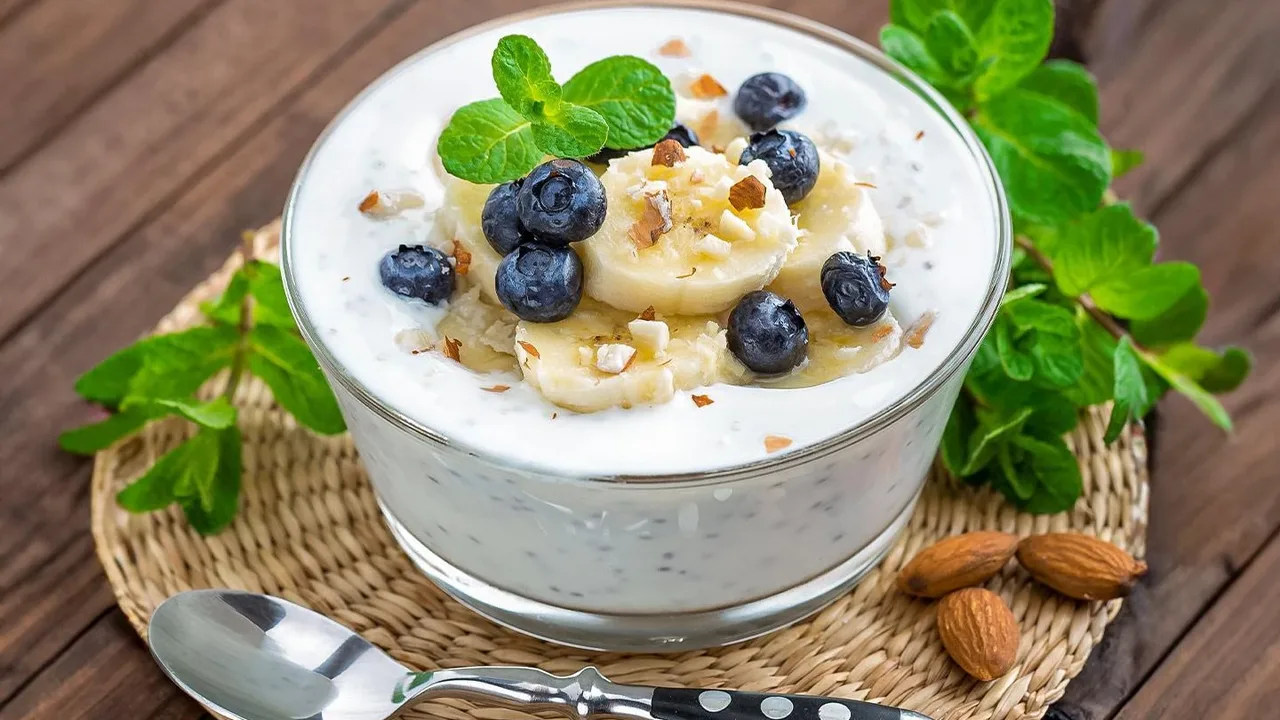
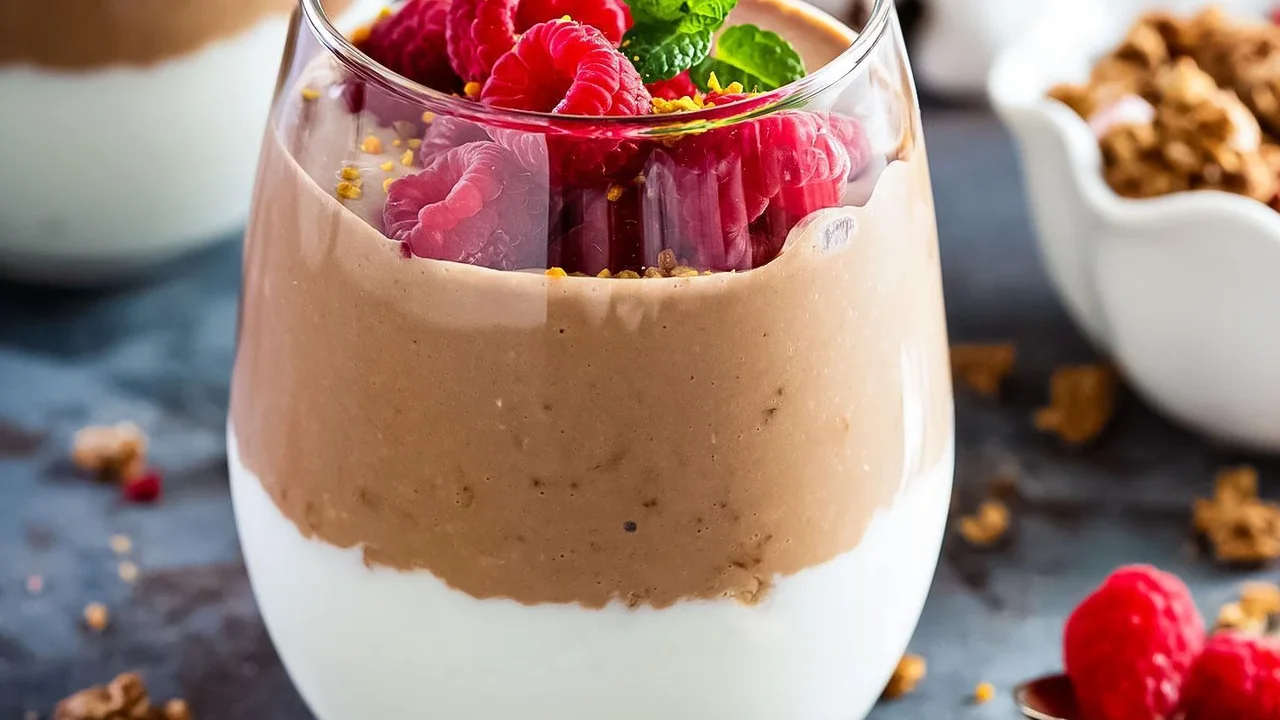
The creativity in homemade protein desserts has exploded. This is no longer about mixing protein powder with water. Recipes now range from creamy, rich chocolate pudding made with cottage cheese or Greek yogurt to fluffy protein waffles and even edible cookie dough. These recipes cleverly incorporate protein-rich whole foods, boosting the nutritional value and improving taste and texture. Ingredients like Greek yogurt, eggs, cottage cheese, nut butters, and even beans serve as the base, with protein powder acting as a functional boost. This evolution has turned protein desserts into genuinely appealing treats that rival their traditional counterparts in flavour and satisfaction.