




The Annual Scourge of Winter Smog
Every year, as temperatures drop, a combination of factors traps pollutants close to the ground, creating a toxic blanket over the National Capital Region. This smog is a dangerous cocktail of dust, vehicular emissions, industrial pollutants, and smoke
from crop burning in neighbouring states. The most hazardous components are fine particulate matter, especially PM2.5, which are microscopic particles that can penetrate deep into the lungs and even enter the bloodstream. Prolonged exposure is linked to a host of respiratory ailments, including asthma, bronchitis, and chronic obstructive pulmonary disease (COPD), along with cardiovascular stress. This annual health emergency forces residents to find ways to protect themselves within their own homes.
The Green Hope: Turning to Nature's Filters
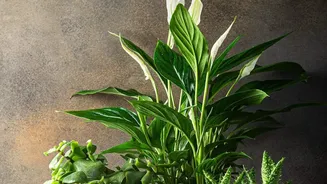
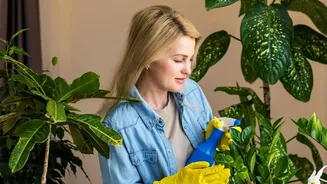
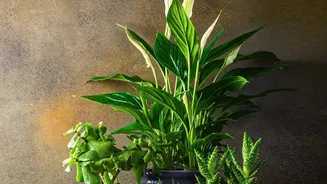
In response to the alarming pollution levels, the trend of keeping indoor plants has surged. The belief is that these plants can act as natural air purifiers, filtering out harmful toxins and providing a breath of fresh air. This idea was popularised by a 1989 NASA Clean Air Study, which found that certain common houseplants could remove volatile organic compounds (VOCs) like formaldehyde and benzene from the air in a sealed chamber. For many in Delhi-NCR, bringing plants indoors feels like a proactive, natural, and aesthetically pleasing step towards creating a healthier living environment. Nurseries and online plant stores see a spike in demand for species touted as 'air-purifiers' as residents prepare for the smoggy season.
The Science and The Reality
Plants do indeed have air-cleaning properties through a process called phytoremediation. They can absorb certain gaseous pollutants, primarily VOCs, through their leaves and root-zone microbes. However, the real-world impact of a few houseplants on severe winter smog is a subject of debate. The original NASA study was conducted in a small, sealed environment, which is vastly different from a typical home that has constant air exchange with the outdoors. More recent analyses have concluded that to significantly reduce pollutants in a real-world setting, an impractically large number of plants would be needed—anywhere from 10 to 1,000 plants per square metre of floor space. While plants are effective against certain indoor-generated VOCs, their ability to filter the huge volume of PM2.5 particulate matter that constitutes outdoor smog is minimal compared to mechanical air purifiers.
The Best Green Companions for Your Home
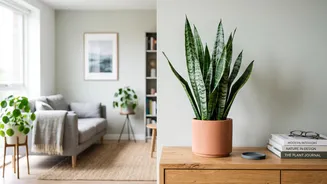
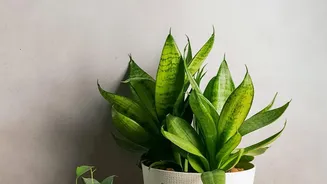
Despite their limitations in tackling heavy smog, some plants are excellent at filtering common indoor pollutants and are remarkably resilient, making them worthwhile additions to any home. For residents in Delhi-NCR, hardy, low-maintenance plants are ideal. The Snake Plant is a top choice because it releases oxygen at night, making it perfect for bedrooms. The Areca Palm is not only effective at filtering toxins but also acts as a natural humidifier, which helps during dry winters. The Money Plant (Golden Pothos) is famously easy to grow and tackles pollutants like formaldehyde and carbon monoxide. Similarly, the Spider Plant is highly adaptable and great for beginners, known for reducing indoor PM concentrations in some studies.
A Holistic Approach to Cleaner Air
While filling your home with a jungle of plants might not be a magic bullet against winter smog, they are far from useless. The key is to see them as one component of a broader clean-air strategy. Experts agree that for significant PM2.5 reduction, a high-quality air purifier with a HEPA filter is indispensable. Combining purifiers with houseplants can create a more robust system for tackling a wider range of pollutants. Furthermore, the psychological benefits of living with indoor plants are well-documented; they can reduce stress and improve overall well-being, which is invaluable when dealing with the gloom of pollution. Sealing windows and doors properly and wearing N95 masks when outdoors remain crucial first lines of defence.