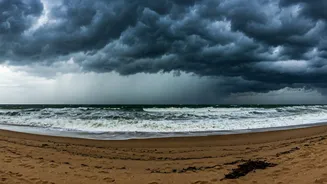









Monsoon Magic and Mayhem
Visiting an Indian beach during the monsoon is a unique experience. The landscape is lush, the crowds are thinner, and the atmosphere is wonderfully dramatic. However, this season also brings unpredictable weather. Sudden, intense downpours, strong winds,
and rough seas can turn a dream outing into a dangerous situation. The same placid beach you enjoy in winter can have powerful waves and currents from June to September. Coastal weather can change rapidly, so being prepared is not just about convenience; it is about safety. This is especially true for families with children or elderly members, where a quick and safe exit might be necessary if conditions worsen.
Mastering the Weather Forecast
Simply glancing at a weather icon for rain is not enough. During monsoon, you need detailed, reliable forecasts. The India Meteorological Department's (IMD) official 'Mausam' app is a trusted source for weather warnings, including alerts for cyclones, thunderstorms, and heavy rainfall. Other popular and reliable apps in India include Skymet, AccuWeather, and Windy. Look for hourly forecasts to plan your beach time. Pay attention to predictions for wind speed, as strong gusts can make being on the sand unpleasant and even hazardous. Some apps provide minute-by-minute precipitation forecasts, which are invaluable for timing a walk between downpours.
The Crucial Tide Check
Understanding tides is one of the most critical aspects of beach safety. Tides are the rise and fall of sea levels caused by the gravitational pull of the moon and sun. A tide chart tells you the time of high tide (when the water is at its highest point) and low tide (when it is at its lowest). During monsoon, high tides can be particularly dangerous, often accompanied by powerful waves that surge far up the beach, leaving little room to retreat. The IMD issues specific high tide alerts for coastal cities like Mumbai, warning citizens to stay away from the shore when waves are predicted to be unusually high. You can find tide charts online for your specific location or use apps that provide this data. Never underestimate the power of an incoming tide.
Beware of Rip Currents
Rip currents are strong, narrow channels of water that pull away from the shore. They are a leading cause of rescues at beaches worldwide and can be especially prevalent during monsoon when the sea is rough. They can look like calm patches in the water, which makes them deceptive and dangerous. If you are caught in a rip current, the most important rule is not to panic or try to swim directly against it; you will only exhaust yourself. Instead, swim parallel to the shoreline until you are out of the current's pull, and then swim back to the beach at an angle.
Heed Local Warnings and Flags
Local lifeguards and authorities have the best understanding of the sea conditions. Always follow their instructions. Most beaches in India use a flag system to indicate safety levels. Red flags are a common sight during the monsoon and mean that it is dangerous to enter the water. Yellow flags suggest you should proceed with caution, while green flags indicate that conditions are safe for swimming, a rarity during this season. Ignoring these warnings can have serious consequences. Many popular beaches may also restrict access to certain areas or close down seasonal shacks for safety.
Pack for a Wet Adventure
Your packing list for a monsoon beach trip should look different from a dry-season one. Prioritize quick-dry synthetic clothing over cotton, which takes a long time to dry in high humidity. A lightweight waterproof jacket is more practical than an umbrella against strong coastal winds. Pack waterproof footwear with a good grip for slippery surfaces. Most importantly, protect your electronics and valuables in waterproof bags or pouches. It is also wise to carry a small first-aid kit, insect repellent for the increased number of mosquitoes, and a power bank in case of weather-related electricity cuts.