
The Age of the Impersonal Interior
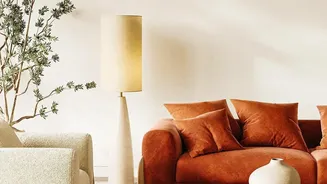
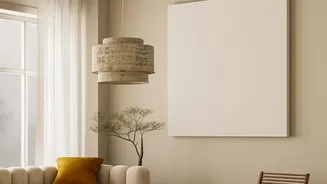
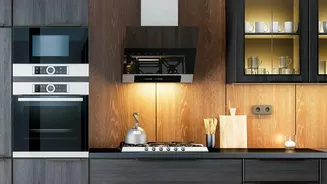
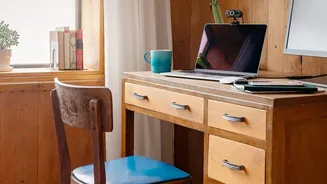
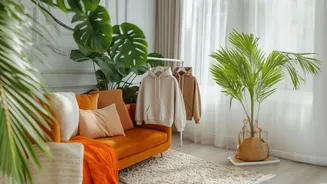
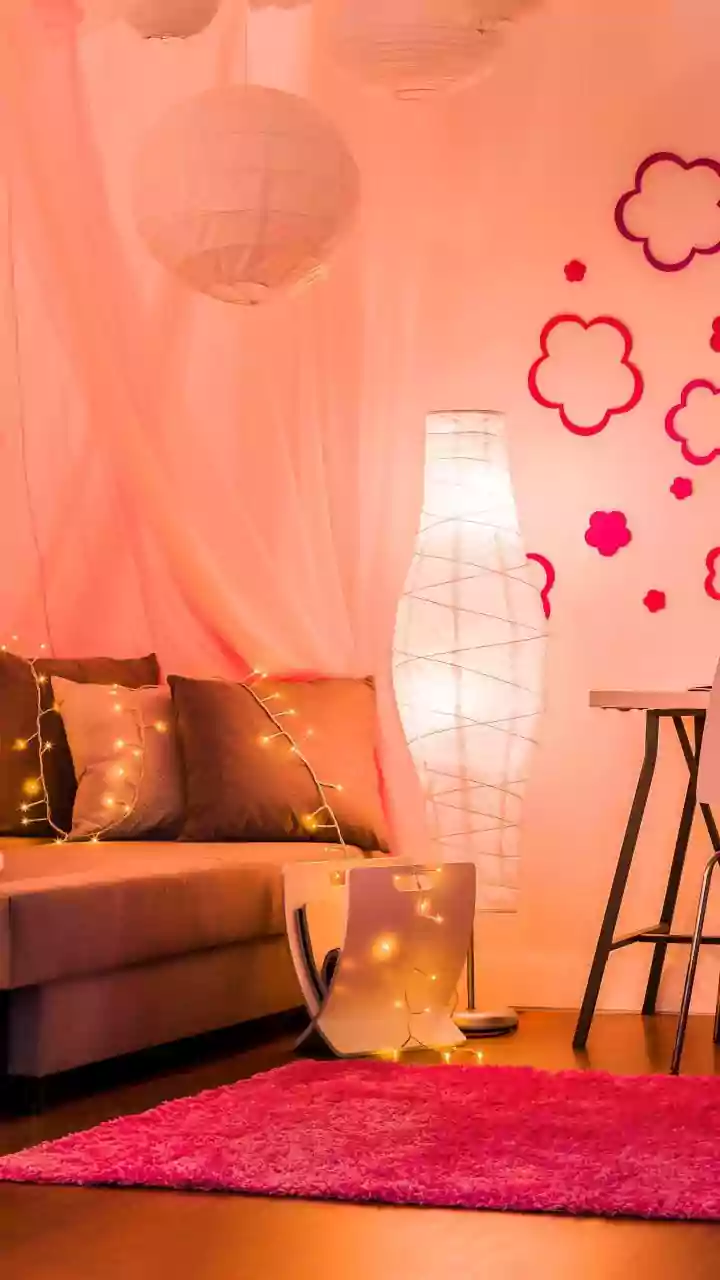
Walk into many urban apartments, and you might feel a sense of déjà vu. The same muted colour palettes, the familiar clean-lined furniture, and a general lack of personal artefacts. This has been the era of uniform décor, heavily influenced by global
minimalist trends from Scandinavia and Japan. For many, achieving a 'modern' look meant adhering to a strict aesthetic of less is more, often resulting in spaces that felt more like hotel lobbies than homes. The pursuit of this clean, uncluttered look, popularized by social media and large-format retailers, sometimes led to what critics call 'empty' homes—spaces lacking character, warmth, and the stories of the people living in them. This approach often sidelined India’s own rich history of vibrant, layered, and deeply personal interior styles.
A Shift Towards Storytelling Through Objects
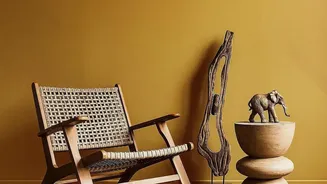
Now, a growing number of homeowners and designers are pushing back against this sterile sameness. They are championing a new approach where the home becomes a canvas for personal stories. Instead of buying a complete 'look,' people are consciously curating their spaces with objects that hold meaning. This could be anything from heirlooms passed down through generations and handcrafted items picked up from local artisans, to souvenirs from travels and treasured art collections. The focus is shifting from a purely aesthetic choice to an emotional one. Leading Indian designers now define luxury not by opulence, but by how precisely a space is tailored to its inhabitants, making it deeply personal and unique. The goal is to create a home that feels like a biography, with every object serving as a footnote to a memory, a passion, or a journey.
Why Personalisation is Trending Now
Several factors are driving this desire for more personal spaces. For some, it is a reaction against the visual fatigue of mass-produced, globally homogenous design. There is a renewed appreciation for authenticity and craftsmanship, leading people to seek out unique pieces that support local artisans. For others, particularly in a post-pandemic world, the home has been recentered as a sanctuary. This has amplified the need for comfort, nostalgia, and an environment that is a true reflection of self. The trend is also about identity; blending modern, global sensibilities with distinctly Indian elements to create a style that is both contemporary and rooted. It’s a move away from homes designed for Instagram and towards homes designed for living.
Curating, Not Cluttering: The Art of the Collection
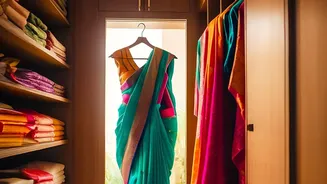
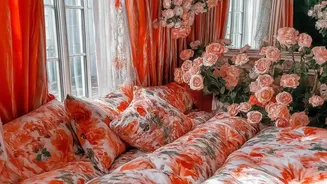
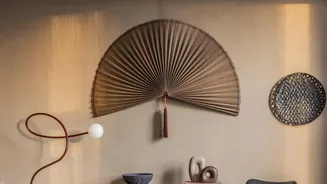
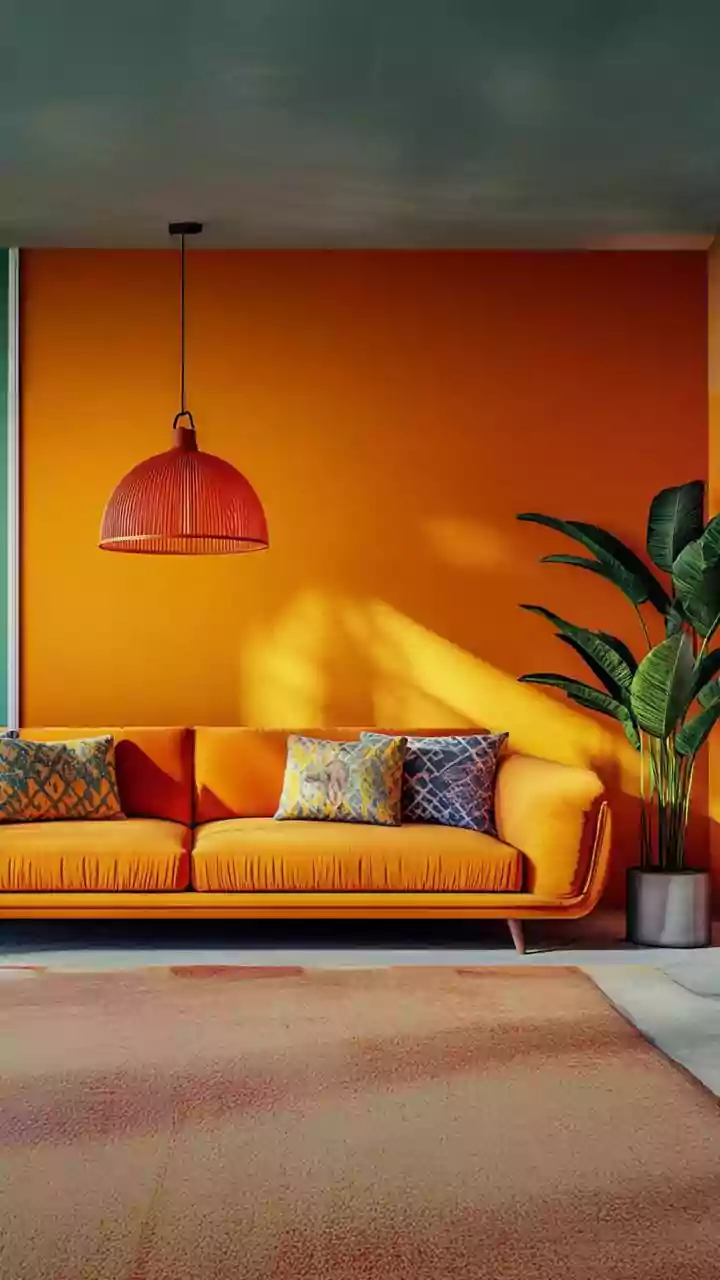
This embrace of personal items is not to be confused with hoarding or clutter. The trend is better described as 'curated maximalism' or 'intentional eclecticism'. It’s about the thoughtful arrangement and display of your possessions. Designers suggest creating vignettes by grouping similar items on a tray or shelf, using a statement rug to anchor a collection of furniture, or turning a handwoven textile into a piece of wall art. The key is to find a balance, often by starting with a neutral base and then layering in colour, texture, and meaningful objects. This ensures the space feels expressive and dynamic rather than chaotic. It’s about making deliberate choices, where each piece earns its place not just for its looks, but for the story it tells.