




The Golden Rule: Check the Soil First
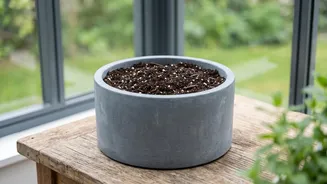
The single most important change to your monsoon plant care routine is to abandon a fixed watering schedule. During summer, soil dries out quickly, but the high humidity and regular showers of the monsoon mean pots stay moist for much longer. Before you even
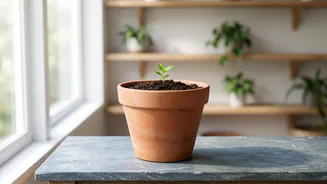
pick up your watering can, perform the finger test. Insert your finger about two inches into the soil. If it comes out damp or with moist soil clinging to it, do not water. If it feels dry, then it's time to give your plant a drink. This simple habit is the most effective way to prevent the number one killer of potted plants during the rainy season: overwatering.
Plants to Leave Alone (Or Water Sparingly)
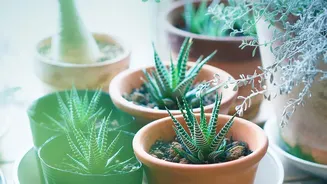
Some plants are naturally adapted to dry conditions and are extremely susceptible to root rot in the damp monsoon weather. For these, less is always more. Succulents and cacti are the most obvious examples. Their fleshy leaves and stems store water, so sitting in constantly wet soil is a death sentence. Similarly, plants like the snake plant, jade plant, and aloe vera should be watered very infrequently. If these plants are in a spot where they are exposed to direct, heavy rain, it is best to move them to a covered area of your balcony to control their water intake. These plants would much rather be too dry than too wet.
Plants That Still Need Your Attention
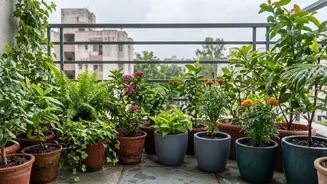
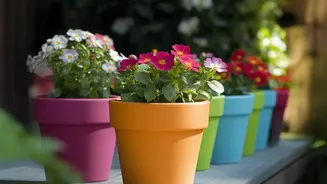
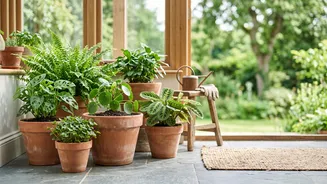
Don't assume the rain is taking care of everything. Plants situated under a deep roof or awning might not receive any rainwater at all. These will still rely on you for watering. Flowering plants like hibiscus, balsam (gul mehndi), and marigolds often use more energy and water to produce blooms and may need a drink even in humid weather, provided their soil is dry. Leafy plants that are not getting direct rain, such as ferns or money plants in a sheltered corner, should also be checked regularly. The key is to direct water to the soil at the base of the plant, avoiding the leaves. Wet foliage can encourage fungal diseases, which are rampant during the monsoon.
Drainage Is Non-Negotiable
The secret to happy balcony plants in the monsoon is excellent drainage. Overwatering isn't just about how often you water; it's about how well the excess water can escape. First, ensure every single one of your pots has drainage holes at the bottom. If water collects in the saucer or tray beneath the pot after rain or watering, empty it immediately. Allowing a pot to sit in a saucer of water is one of the fastest ways to cause root rot. To further improve drainage and airflow, elevate your pots. Placing them on pot feet, bricks, or a simple plant stand allows water to drain freely and helps the soil get the oxygen it needs.
Spotting the Danger Signs
Your plants will tell you when they are in trouble. The most common sign of overwatering and root rot is yellowing leaves, especially lower ones. The plant might also look wilted or droopy, even though the soil is wet. This happens because the rotting roots can no longer absorb water and nutrients. Other red flags include mushy stems near the soil line, a foul or sour smell from the soil, and the appearance of tiny flying insects called fungus gnats, which are attracted to overly moist conditions. If you notice these signs, stop watering immediately and check the pot's drainage. You may need to repot the plant into fresh, better-draining soil to save it.