







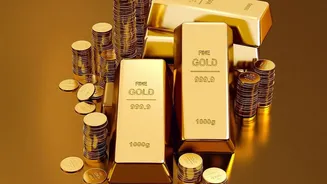
A Season of Strong Sales
This year's festive season was no exception to the tradition of robust gold sales. During Dhanteras 2026, which fell on November 6, gold sales in India were estimated to have reached approximately ₹60,000 crore. This marked a significant 15-20% increase
in value compared to the previous year. The surge was partly encouraged by a correction in domestic gold prices, which had fallen from their peaks earlier in the year, providing an added incentive for retail buyers. However, while the value of sales shot up, the actual volume of gold sold was expected to be similar to last year, suggesting that higher prices influenced purchasing decisions, with many buyers opting for lighter-weight jewellery or coins.
Demand Driven by Culture, Not Speculation
The key to understanding the festive sales boom is to recognise its cultural roots. For millions of Indian households, buying gold during Diwali is an auspicious act, a tradition passed down through generations. It is tied to prosperity, weddings, and religious significance. This demand is often described as having low price elasticity, meaning that many families plan to buy gold regardless of the price, viewing it as a cultural obligation rather than a market-timed investment. This predictable, calendar-driven demand is so reliable that jewellers and wholesalers build up their inventory weeks in advance, which can cause local premiums to rise before the festival even begins.
The Global Forces That Set Prices
While seasonal Indian demand can create temporary ripples in the local market, it has very little bearing on the global price of gold. The international gold price is a behemoth, moved by massive global forces. These include the monetary policy of central banks like the US Federal Reserve, the strength of the US dollar, geopolitical uncertainty, and inflation expectations. When US interest rates rise, non-interest-bearing gold becomes less attractive to big investors. Conversely, global instability often sends investors flocking to gold as a 'safe haven' asset, pushing prices up. The paper market for gold, traded through futures and other derivatives, is also vastly larger than the physical market, meaning its movements have a much greater impact on price.
A Price Taker, Not a Price Maker
India is one of the world's largest consumers of gold, but in the context of the global market, it is largely a 'price taker', not a price maker. Domestic prices are determined by the international rate, which is then adjusted for the USD-INR exchange rate, import duties, and local taxes. For instance, if global prices fall sharply due to a change in US economic data, that will likely offset any upward pressure from Indian festive buying. The surge in local demand during Diwali might lead to higher 'making charges' from jewellers or a temporary increase in local premiums, but it doesn't fundamentally alter the underlying international price of the metal.