





Why the Sudden Warnings?
It feels like it happened overnight, but the current situation is the result of a potent mix of weather and geography. The Southwest Monsoon has advanced across several parts of India, including most of Uttarakhand and parts of Himachal Pradesh, as of late
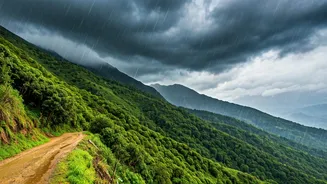
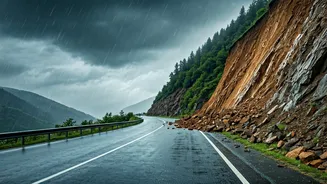
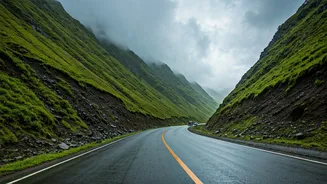
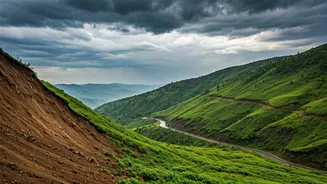
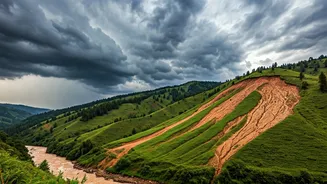
June. This isn't just a gentle arrival; the India Meteorological Department (IMD) has issued alerts for heavy to very heavy rainfall across these regions. This intense rain on slopes already saturated from pre-monsoon showers dramatically increases the risk of two major hazards: landslides and flash floods. The geology of the Himalayas is naturally fragile, and heavy downpours can turn serene landscapes into danger zones with little warning, making roads impassable and stranding travellers.
High-Risk Zones to Watch
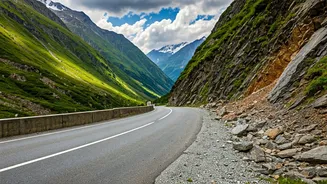
While no destination is entirely off-limits, authorities and recent events point to specific areas where extreme caution is required. The popular tourist corridors in Himachal Pradesh and Uttarakhand are of primary concern. In Himachal, routes to Manali, Kullu, and Shimla are frequently affected by landslides and roadblocks. National Highways like NH-3 and NH-5 become particularly vulnerable. Similarly, in Uttarakhand, pilgrimage and tourist routes to places like Nainital and Mussoorie, as well as the Char Dham Yatra paths, face frequent disruptions. The issue isn't just major highways; even local access roads can be cut off, isolating towns and villages. It's less about avoiding entire states and more about understanding the vulnerability of the specific valley or road you plan to use.
Decoding Official Advisories
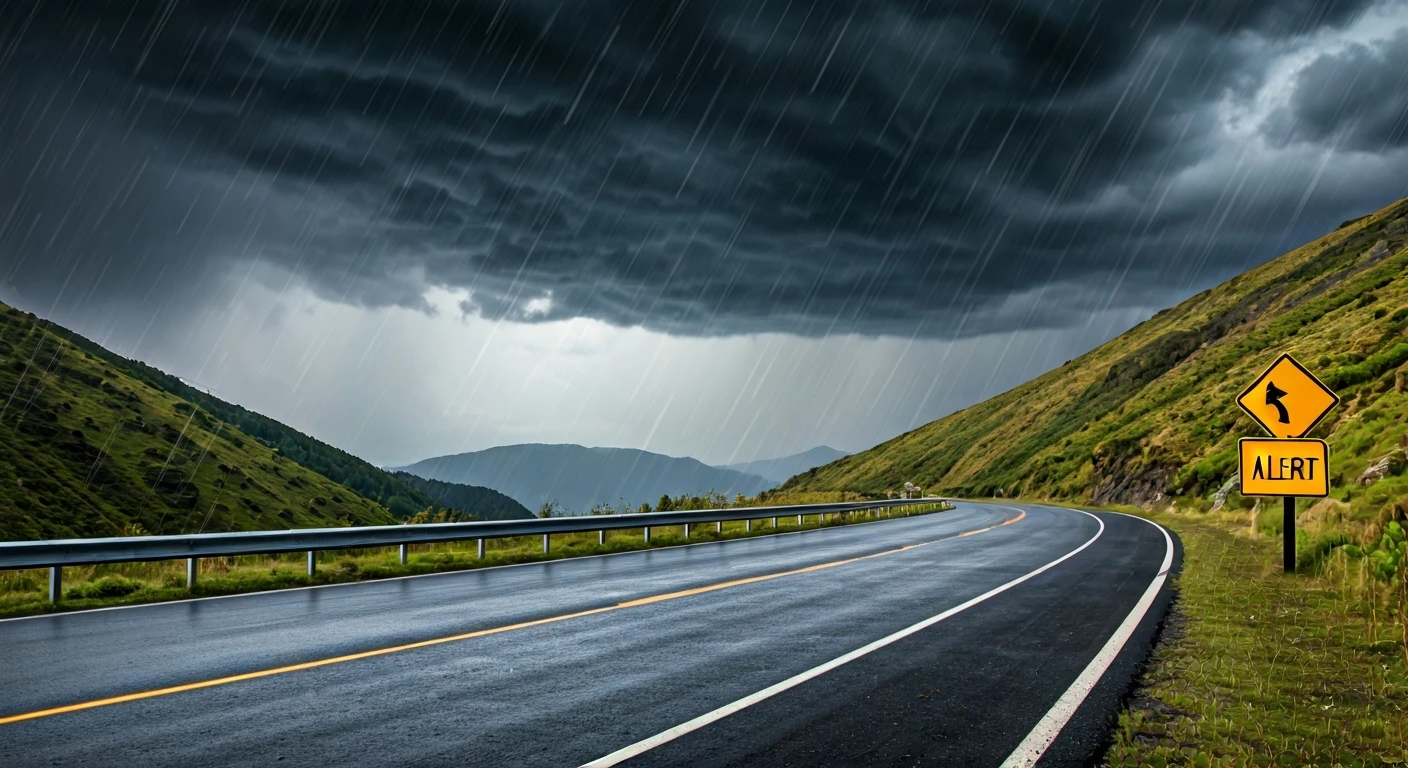
When the IMD issues a 'Yellow' alert, it means 'Be Aware'. An 'Orange' alert means 'Be Prepared', suggesting a higher likelihood of disruptions. A 'Red' alert signals 'Take Action' and is a strong recommendation to postpone travel to the affected area. State disaster management authorities are urging travellers to postpone non-essential trips, especially to high-altitude areas. Official advice includes avoiding travel at night, when visibility is low and risks are higher. They also warn against stopping near steep cliffs or riverbanks, especially during or after heavy rain. Following these advisories isn't about cancelling your holiday; it's about making informed choices to ensure you don't become a statistic.
Your Monsoon Travel Checklist
If you must travel, preparation is everything. Before you leave, check the real-time road status and weather forecast from official sources like the IMD and state police traffic pages. Pack a dedicated waterproof emergency kit containing a flashlight, extra batteries, a power bank, a first-aid kit, and essential medications. Include non-perishable snacks and drinking water. Your choice of clothing and footwear is critical; opt for waterproof jackets and sturdy, non-slip shoes. Inform your family or friends of your detailed itinerary and save emergency contact numbers (local police, SDRF, your hotel) on your phone. Finally, build buffer days into your schedule. A two-day blockage is less stressful if it doesn't cause you to miss a flight.
To Go or Not to Go?
Ultimately, the decision to travel rests with you. For some, the allure of a monsoon-drenched landscape, free from peak-season crowds, is worth the risk. Many destinations, particularly in the foothills or in regions with better infrastructure like the Western Ghats (think Lonavala or Mahabaleshwar), can be safer alternatives. However, if your heart is set on high-Himalayan destinations, ask yourself if your plan is flexible. Can you handle being stranded for a day or two? Do you have the right gear and mindset? If the answer is no, or if a red alert is in effect, the safest and most responsible decision is to postpone. The mountains aren't going anywhere, and enjoying them when they are safe and accessible is a far more rewarding experience.