


What is Slow Decorating?
Slow decorating is a conscious move away from the pressure to have a perfectly finished home overnight. It’s the intentional process of curating your space over time, choosing pieces that are meaningful, functional, and built to last. Instead of chasing
trends seen on social media, this approach encourages patience. It’s about letting your home grow with you, layer by layer, reflecting your life and personality. This philosophy is a reaction against mass-produced, low-quality items, favouring sustainability, vintage finds, and pieces with a personal story. The goal is not to fill every corner immediately, but to wait for the right piece—the one that truly serves a purpose and brings you joy.
The Power of Observation
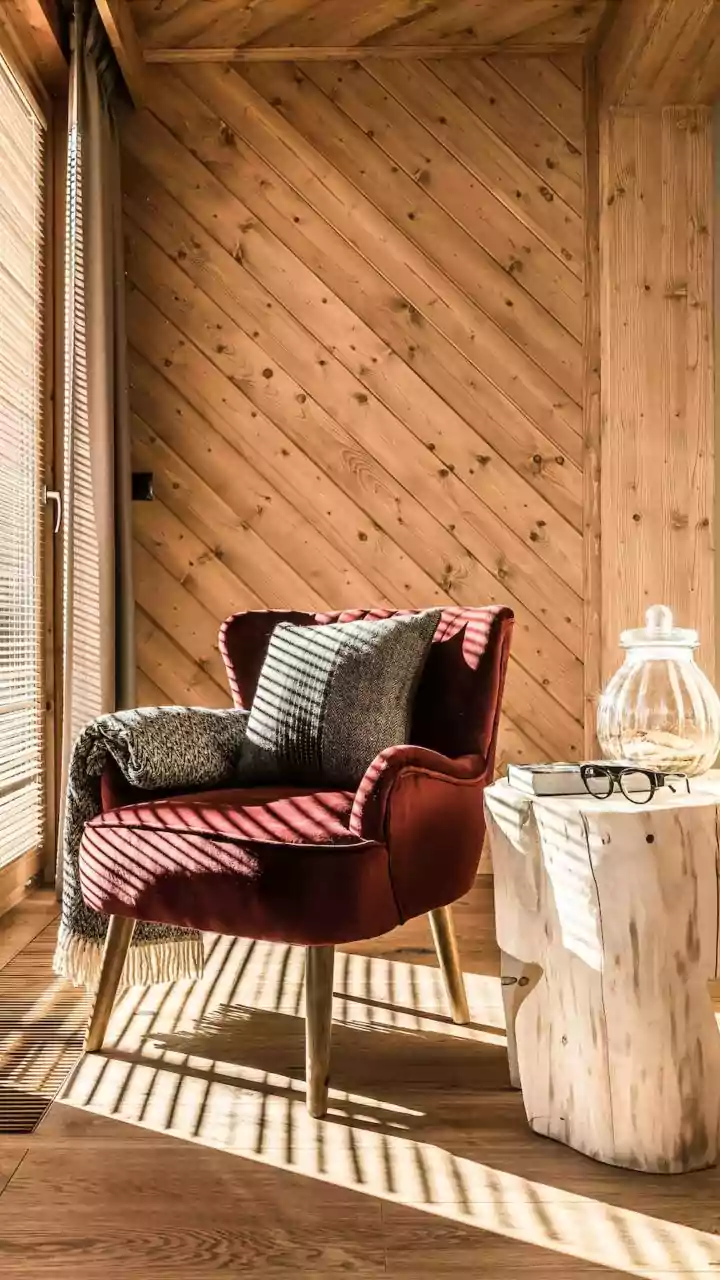
The single most important tool in slow decorating isn’t a mood board or a credit card; it’s observation. Before making any changes, the first step is to simply watch and understand how you live in your space. Where does the mail always pile up? Which chair does everyone fight over? Where does the afternoon sun create the perfect reading spot? Paying attention to these daily patterns reveals what your home truly needs. This act of observation is a form of mindfulness, connecting you to your environment on a deeper level. It allows you to see beyond how you think a room should be used and focus on how it is being used, laying the groundwork for a more functional and harmonious home.
Function Before Form
A core principle of slow decorating is prioritising function over form. This idea, borrowed from architecture, suggests that the design of a space or object should be primarily based on its intended purpose. For example, that beautiful but uncomfortable sofa is the opposite of this principle. A functional approach means that a home should first and foremost work for the people living in it. Do you host large family gatherings? Then ample, comfortable seating is more important than a minimalist sofa that only seats two. Do your children do their homework at the kitchen island? Acknowledging this helps you plan for adequate lighting and durable surfaces. By letting daily needs guide your decisions, you create a space that is not only beautiful but also practical and a pleasure to live in.
Practical Ways to Assess Your Space
To truly understand your home, you need to become a detective of your own habits. For a week, keep a mental or physical note of your family's daily routines. Notice the pathways people naturally take through a room and make sure they are clear of obstructions. Identify the clutter hotspots; these areas often signal a need for a better organisational system. Take photos of your rooms at different times of day to see how the light changes and how it affects the mood. Before buying anything new, first try decluttering. Removing unnecessary items can reveal the room's true potential and clarify what is actually needed. This patient assessment saves you from costly mistakes and ensures every new item is a thoughtful addition rather than just more stuff.