


The Land of Spices and Coconuts
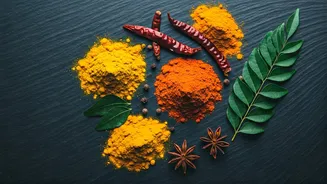
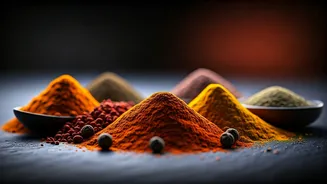
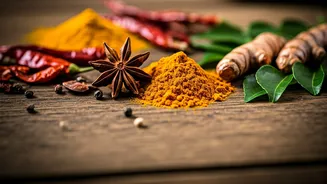
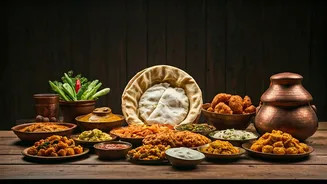
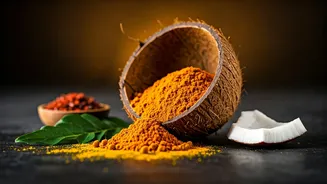
At the heart of Kerala's cuisine are two elements gifted by its geography: spices and coconuts. For millennia, the state has been the epicentre of the global spice trade, with black pepper, cardamom, cloves, and cinnamon drawing traders from Arabia and Europe.
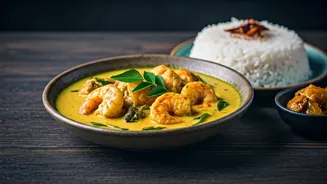
This history is tasted in every dish, which features complex, aromatic, and harmonious layers of flavour. Unlike some other South Indian cuisines, Keralan food is defined by its liberal use of coconut in nearly every form imaginable—grated into stir-fries (thoran), pressed into creamy milk for stews (ishtoo), and as coconut oil for tempering and frying. This reliance on coconut lends a subtly sweet, rich, and fragrant character that is refreshingly light.
A Paradise for Rice Lovers
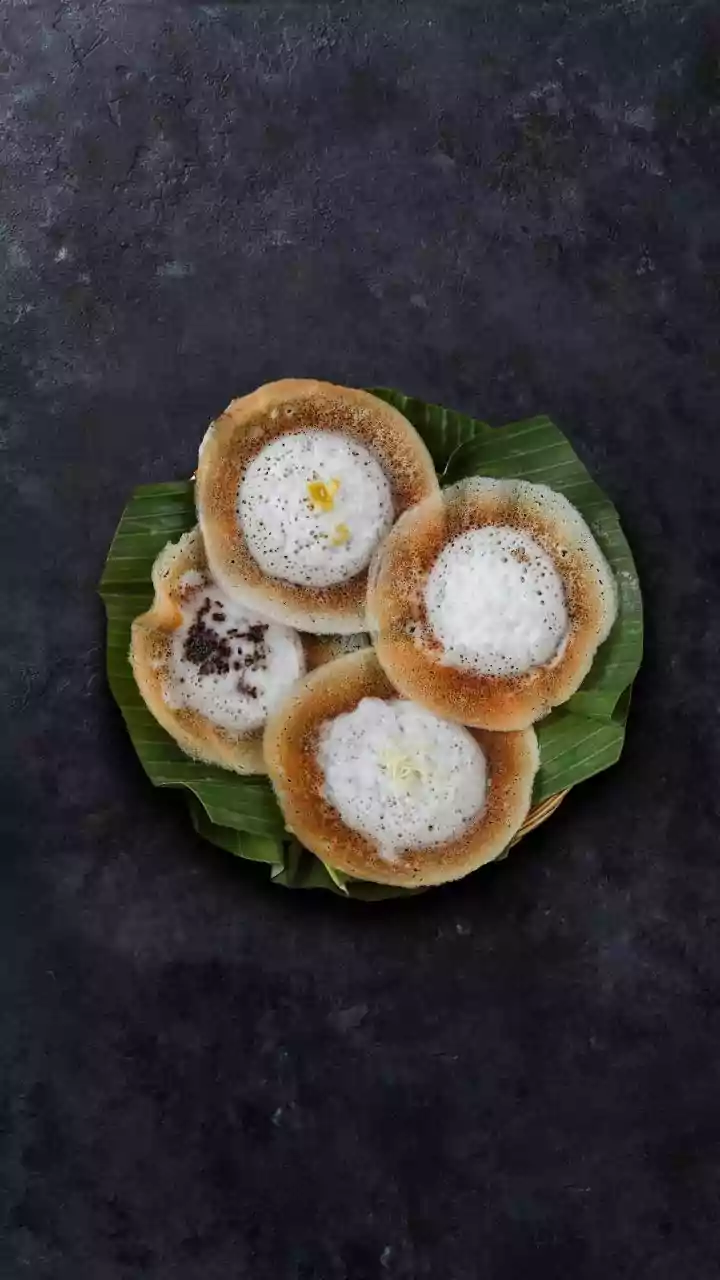
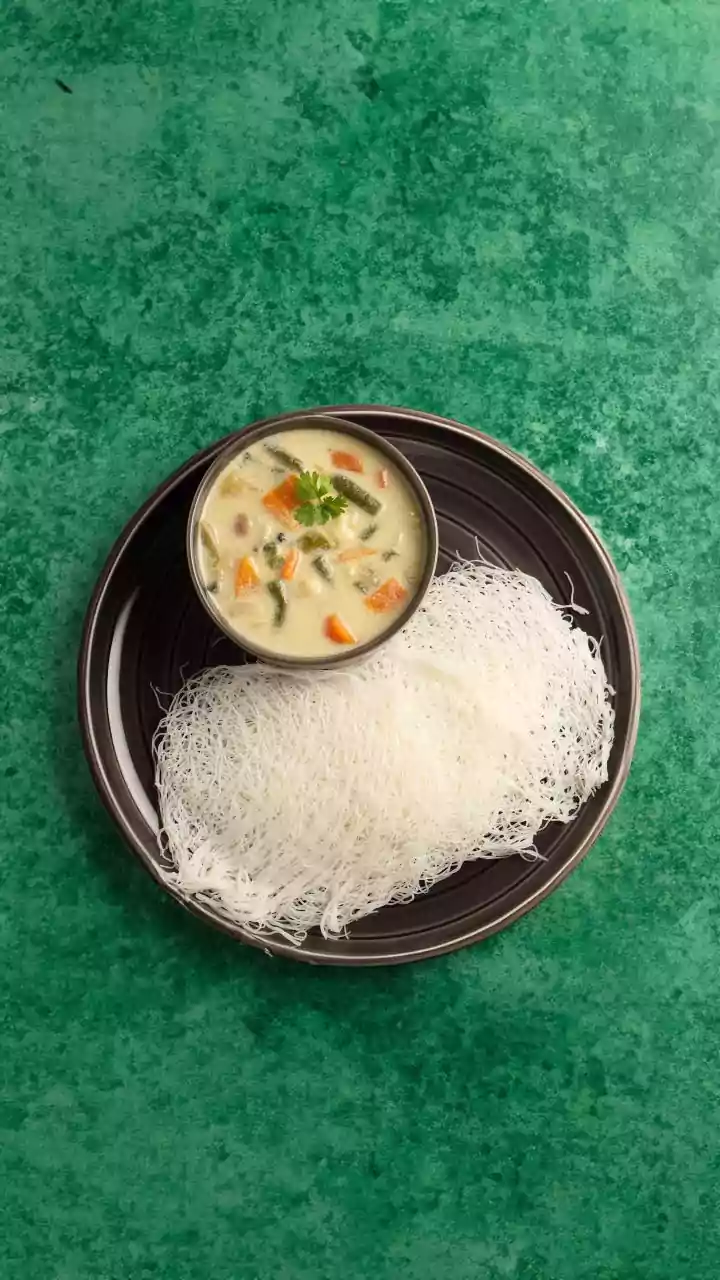
While rice is a staple across South India, Kerala celebrates it in a breathtaking variety of forms beyond the familiar dosa and idli. Breakfast often features steamed cylinders of ground rice and coconut called *puttu*, traditionally served with *kadala* curry (black chickpea curry). Then there are the delicate, lacy-edged *appam* pancakes, made from a fermented rice and coconut batter, perfect for soaking up flavourful stews. Another favourite is *idiyappam*, also known as 'noolputtu', which consists of fine, steamed rice noodles. These rice-based creations provide a comforting canvas for the state's rich and varied curries, showcasing the versatility of this humble grain.
The Grandeur of the Sadya
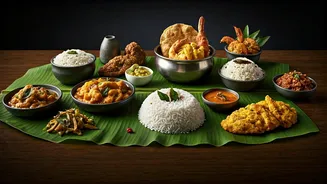
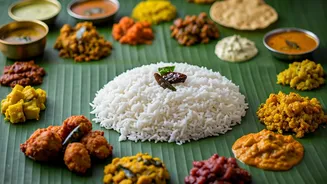
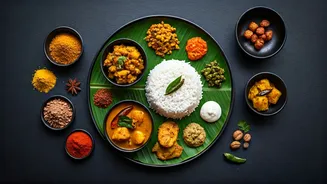
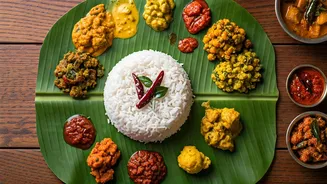
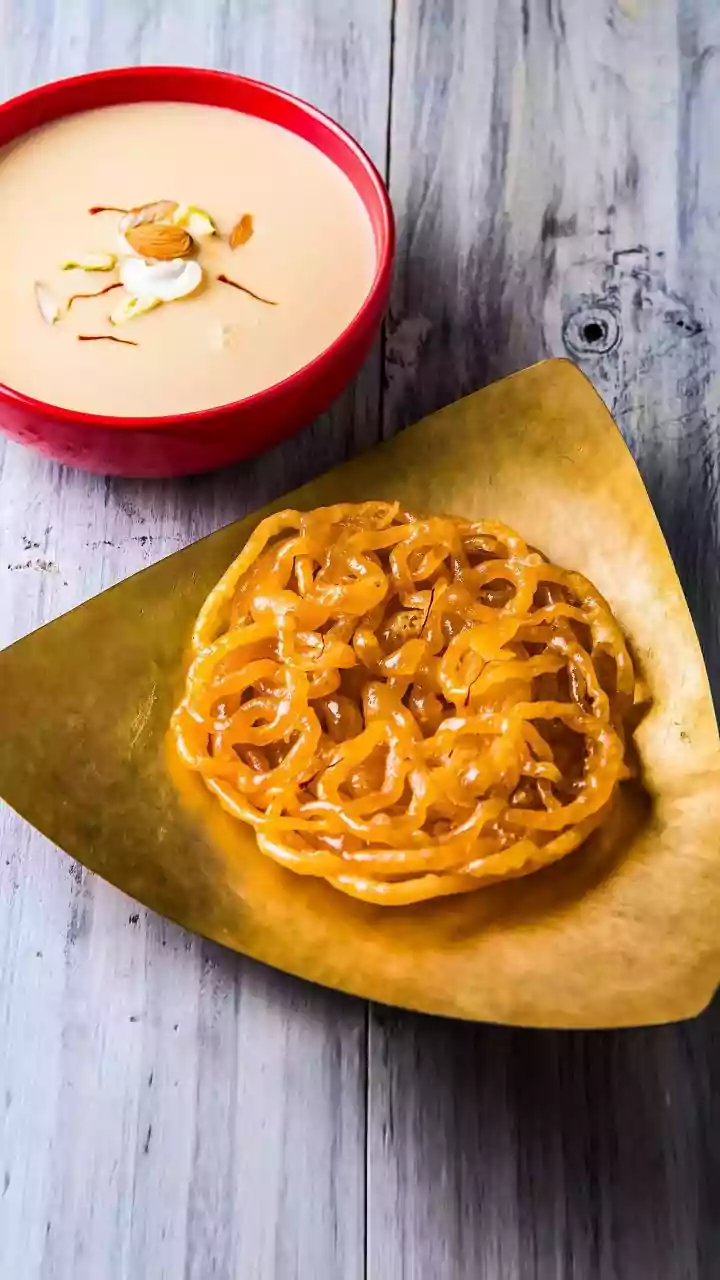
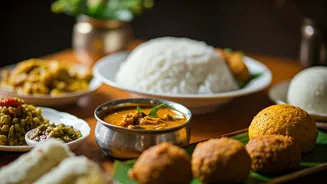
No culinary exploration of Kerala is complete without experiencing the Sadya, a magnificent vegetarian banquet served on a banana leaf. Traditionally prepared for festivals like Onam and weddings, a Sadya can feature over 20 dishes arranged in a specific order. The spread is a masterclass in balanced flavours, ranging from sweet, sour, salty, to spicy. Key components include *avial* (mixed vegetables in a coconut-yoghurt gravy), *thoran* (dry vegetable stir-fry with coconut), *olan* (a mild gourd and coconut milk stew), and various pickles. The meal begins with *parippu* (lentil curry with ghee) and progresses through sambar and rasam before concluding with multiple types of *payasam*, a sweet dessert. More than just a meal, the Sadya is a cultural experience celebrating harmony and abundance.
Malabar's Culinary Treasures
The northern Malabar region boasts its own distinct culinary identity, shaped by centuries of Arab, Portuguese, and Persian trade. This influence is most famously seen in the Thalassery biryani, which is known for its fragrant, short-grain Kaima rice and a unique blend of spices. The Malabar Coast is also home to *pathiri*, a paper-thin flatbread made from rice flour that is often paired with rich meat or fish curries. Mappila (Muslim) cuisine, a highlight of the region, features unique dishes like *kallummakkaya ularthiyathu* (mussels stir-fry) and layered pastries like *chatti pathiri*. This regional cuisine is a testament to the cultural fusion that makes Kerala's food so diverse.
The Bounty of the Backwaters
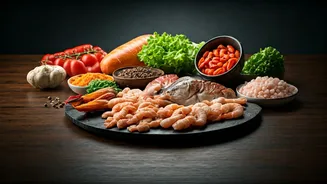
In the Kuttanad region, often called the 'Rice Bowl of Kerala', life revolves around the backwaters, and so does the food. This area is renowned for its exceptional seafood and unique local dishes. A star delicacy is *Karimeen Pollichathu*, where pearl spot fish is marinated in spices, wrapped in a banana leaf, and grilled, infusing the fish with a smoky aroma. Another local favourite is *tharavu mappas* (duck curry), cooked in a rich, spiced coconut milk gravy, reflecting the Syrian Christian culinary influence. The combination of fresh tapioca (*kappa*) with a spicy fish curry is a comforting and iconic meal that captures the essence of backwater life.