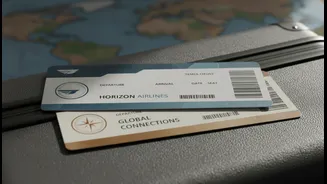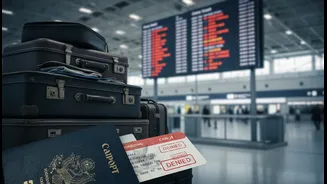








The First Hurdle: The Cause of the Delay
The single most important factor determining your coverage is why the delay happened. Insurance policies operate on a system of “covered reasons” or “named perils.” If the cause of your delay isn't on this specific list, your claim will likely be denied.
For travel insurance, common covered reasons include severe weather, mechanical breakdown of the carrier, or unannounced airline strikes. Business interruption insurance is typically triggered by direct physical damage to your premises from an event like a fire or storm that forces you to shut down. What’s crucial to note are the exclusions. Delays you could have foreseen, such as booking a tight connection or traveling during a forecasted hurricane, are generally not covered. Similarly, if you miss a flight because you overslept or got stuck in normal traffic, you won't be able to claim. Personal mistakes and events that were public knowledge before you bought the policy are almost always excluded.
Measuring the Wait: How Long Is Long Enough?
Even if your delay has a covered cause, benefits don't kick in immediately. Policies include a minimum delay period, often called a waiting or elimination period, that must be met. For travel insurance, this threshold is typically between three and 12 hours. If your policy requires a six-hour delay and your flight is delayed for five, you are not eligible for reimbursement. Business interruption policies have a similar concept, with waiting periods often set at 48 to 72 hours before coverage for lost income begins. This waiting period is designed to exclude minor disruptions and keep premiums more affordable. Some policies might offer different coverage tiers; for example, a premium plan could have a shorter six-hour delay threshold, while a standard plan might require ten. Always check this detail in your policy documents, as it dictates the exact point at which you can start claiming for expenses.
The Burden of Proof: Document Everything
Once your delay meets the cause and duration requirements, you must provide thorough documentation to support your claim. Insurers work on a reimbursement basis, meaning you pay for expenses out of pocket and then file a claim to get your money back. To do this successfully, you need proof. At a minimum, this includes a statement from your airline or carrier explaining the reason for the delay and its length. You must also keep itemized receipts for all additional expenses you incur, such as meals, accommodation, transport to a hotel, and toiletries. Undocumented expenses will be rejected. Keep copies of your original itinerary, booking confirmations, and any communication you have with the carrier or your insurance provider. In essence, you are building a case for your claim, and the more organised and detailed your evidence is, the smoother the process will be.
Common Pitfalls and How to Avoid Them
Navigating a delay claim can be tricky. One common mistake is assuming any expense is a “reasonable” one. Insurers will reimburse for necessary costs, but not for luxury upgrades or bar tabs. Another pitfall is double-dipping; if the airline provides you with meal vouchers or a hotel room, you cannot claim those same expenses from your insurance. Also, be aware that many premium credit cards offer their own trip delay coverage. This is often secondary insurance, meaning you must exhaust other avenues of reimbursement before it applies. Finally, timing is everything. You must buy your policy before an event becomes a known threat, like a named storm, for it to be covered. Notifying your insurance provider as soon as a delay is certain can also help streamline the process.