



The Foundation of Flavour and Function
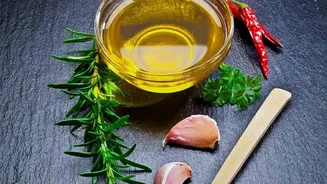
Known as 'tadka', 'chaunk', or 'vaghar' across India, tempering is a foundational cooking method. It involves briefly frying whole or ground spices in hot oil or ghee to extract their essence. This aromatic oil is then poured over dishes like dal, curries,
and vegetables. For centuries, this has been the secret to adding a complex layer of flavour and aroma that defines many regional cuisines. However, modern science now reveals that our ancestors were also intuitively practising a form of chemistry that makes these spices more biologically active and beneficial for our bodies. This process is not just about taste; it is about transforming spices into something more powerful.
Why Hot Oil is the Magic Key
The magic of tadka lies in the interaction between fat and heat. Many of the most powerful compounds in spices, known as phytochemicals or essential oils, are fat-soluble. This means they do not dissolve in water but release their full potential when they are introduced to a fat like oil or ghee. Heat acts as a catalyst in this process. It helps break down the tough cellular walls of the spices, allowing the trapped aromatic and medicinal compounds to escape and infuse into the oil. The hot oil then becomes a carrier, distributing these potent, flavourful molecules evenly throughout the entire dish in a way that simply stirring in dry spices cannot achieve.
Unlocking Potent Phytochemicals
Spices are rich sources of phytochemicals—naturally occurring plant compounds with significant health benefits. For example, turmeric contains curcumin, black pepper has piperine, and cumin seeds hold cuminaldehyde. Many of these beneficial compounds have low bioavailability, meaning our bodies struggle to absorb them in their raw state. The process of blooming them in hot fat dramatically increases this bioavailability. It essentially 'unlocks' these compounds, making them easier for our digestive system to absorb and utilise. Without this crucial step, many of the celebrated health benefits of spices might pass through our system without having much effect.
A Boost for Your Digestive System
So how does this help your gut? Scientific studies have shown that many spices have a digestive stimulant action. The phytochemicals released during tempering can help stimulate the digestive system in two key ways. Firstly, they can encourage the liver to produce more bile, which is essential for breaking down fats. Secondly, they can enhance the activity of our own digestive enzymes, like lipase (which digests fat), amylase (which digests carbs), and proteases (which digest protein). This stimulation of digestive secretions and enzymes helps your gut break down food more efficiently, leading to better nutrient absorption and potentially reducing issues like bloating and indigestion.
The Heroes of the Spice Box
Different spices bring unique benefits to the table once activated by hot oil. Cumin seeds are known to support enzyme activity and aid digestion. Mustard seeds, which pop dramatically in the pan, release compounds that stimulate digestion. Asafoetida (hing), often used for its pungent aroma, has long been used in traditional medicine to relieve gas and improve gut comfort. Turmeric, famous for its anti-inflammatory compound curcumin, becomes more readily absorbed when combined with fat and the piperine from black pepper. Even spices like ginger and fennel are known to stimulate the secretion of digestive juices, making them powerful allies for your intestinal health.