


Focus on Paw Protection
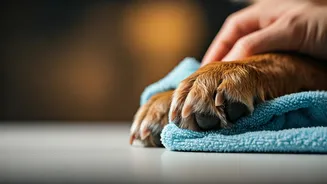
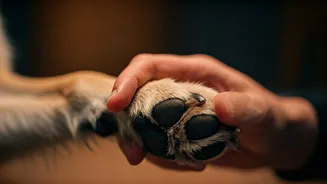
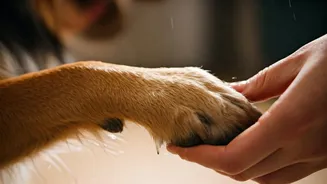
Your pet's paws are their first point of contact with the wet, and often dirty, world outside. Puddles and waterlogged streets can be a breeding ground for bacteria, leading to painful infections, dermatitis, and fungal issues between their toes. Make
it a non-negotiable rule to wash and thoroughly dry your pet’s paws after every single walk, even short ones. Use a gentle antiseptic solution recommended by your vet if needed, and pay close attention to the area between the paw pads. Keeping the fur around their paws trimmed short can also help them dry faster and prevent muck from getting trapped.
Master Skin and Coat Care
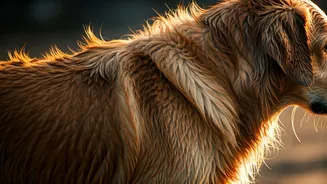
The constant humidity during the monsoon can be a nightmare for your pet's skin and coat. The dampness prevents their fur from drying completely, creating a warm, moist environment perfect for bacterial and fungal growth. This often leads to common issues like hotspots (acute moist dermatitis), skin allergies, and a generally smelly coat. Ensure your pet is completely dry after any exposure to rain or after a bath. Use a highly absorbent towel followed by a low-heat blow dryer if your pet tolerates it. Regular brushing is also crucial; it helps remove loose fur, detangles knots that can trap moisture, and improves air circulation to the skin.
Guard Against Ticks and Fleas
The monsoon is peak season for parasites. The humidity and lush greenery provide the ideal conditions for ticks, fleas, and mites to thrive. These pests are not just an itchy nuisance; they can transmit serious diseases like tick fever. It is absolutely vital to be diligent with your pet’s flea and tick prevention schedule during these months. Whether you use a spot-on treatment, a medicated collar, or oral tablets, consult your veterinarian to ensure you are using the most effective and safe option for your pet's age, breed, and lifestyle. Check their fur and skin for any signs of parasites after they've been outdoors.
Manage Diet and Hydration Carefully
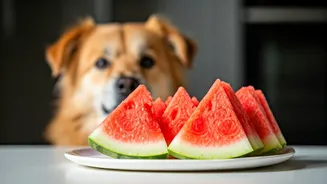
A strong immune system is your pet’s best defence, and it starts with good nutrition. During the monsoon, water-borne diseases are a significant risk. Never let your pet drink from puddles or stagnant water sources, which can be contaminated with leptospirosis and other dangerous pathogens. Always provide fresh, clean drinking water at home. Some vets recommend giving boiled and cooled water as an extra precaution. You may also want to discuss adding immunity-boosting supplements to their diet with your vet. A balanced diet rich in fibre can also help prevent the digestive issues that can sometimes accompany the change in season.
Create a Calm Indoor Environment
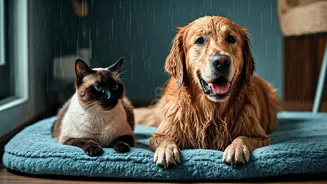
The monsoon isn't just about physical health; it affects your pet's mental well-being too. Loud claps of thunder and heavy rain can cause significant anxiety and stress in many animals. Furthermore, shorter or cancelled walks mean less physical exercise and mental stimulation. Create a safe, comfortable den for your pet where they can retreat during storms. Keep them engaged indoors with puzzle toys, training sessions, and interactive play to burn off excess energy and prevent boredom-related behavioural issues. Playing calming music can also help drown out the scary sounds from outside. This ensures they remain happy and balanced even when cooped up inside.