



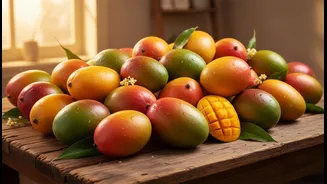


The Sweetest Evidence of a National Obsession
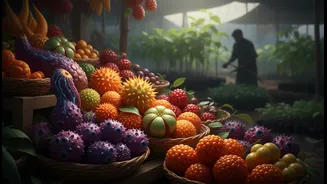
From Delhi to Lucknow and Bengaluru, mango festivals have become a beloved fixture of the Indian summer. Events like the International Mango Festival in Delhi, first held in 1987, and the UP Mango Festival in Lucknow, attract thousands of visitors eager
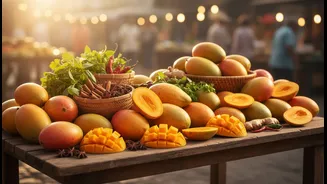
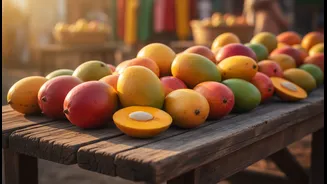
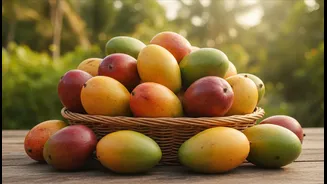
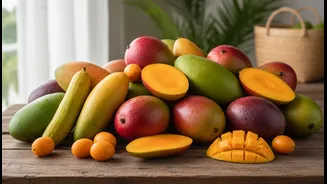
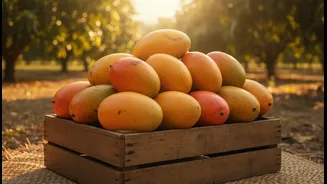
to sample hundreds of varieties of the 'King of Fruits'. These festivals are a sensory explosion, showcasing everything from the famed Alphonso and Dussehri to rare, heirloom varieties that seldom reach mainstream markets. They are a testament to India's status as the world's largest mango producer, a country that cultivates nearly 1,000 of the 1,500 known varieties. For attendees, it's a chance to taste, buy, and celebrate a fruit deeply woven into the nation's cultural fabric, with activities ranging from mango-eating competitions to cooking demonstrations and cultural performances.
A Golden Opportunity for Farmers and Regions
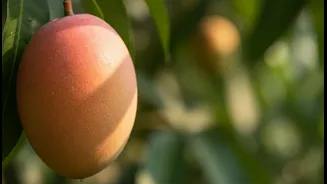
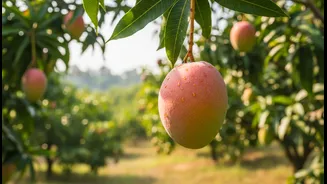
For mango growers, these festivals represent a crucial opportunity. They serve as a direct-to-consumer platform, allowing farmers to bypass intermediaries and secure better prices for their produce. This direct interaction not only boosts income but also provides invaluable feedback from consumers. Furthermore, these events have become powerful drivers of agritourism. Festivals organised in and around orchards, like those in Uttar Pradesh and Maharashtra, connect urban consumers with the realities of farming, creating a deeper appreciation for the produce. Beyond individual farmers, the festivals promote regional brands, putting specific varieties like the Rataul or the Banganapalli on the map and celebrating the unique biodiversity of India's mango heritage. They also function as important platforms for trade, with buyer-seller meets connecting growers to national and international exporters.
More Than a Market: A Hub for Innovation
Beyond the immediate commercial benefits, mango festivals are evolving into vital hubs for agricultural education and innovation. Organised by state tourism and horticulture departments, many festivals include technical seminars and workshops for farmers. These sessions cover crucial topics like pest management, post-harvest care, organic farming techniques, and packaging for export. Agricultural universities and research institutes often participate, showcasing new hybrid varieties and demonstrating the latest in farming technology. This exchange of knowledge empowers farmers, particularly small-scale growers, to improve their cultivation practices, enhance crop quality, and meet the stringent standards required for export markets, ultimately making their operations more resilient and profitable.
The Inevitable Limits and Growing Pains
Despite their success, mango festivals face significant challenges. The very nature of the product—a perishable fruit—creates logistical hurdles. Farmers often struggle with transport and storage, and a lack of sales can lead to devastating losses, as seen in some festivals where crates of mangoes had to be discarded. The timing of these events is also critical; delays due to elections or other factors can result in poor attendance and wasted produce. Moreover, there is a growing tension between cultural celebration and commercialisation. Some events are shifting from traditional grower-led melas to entertainment-focused carnivals in malls, which may dilute their agricultural soul. The most significant threat, however, remains climate change. Unpredictable weather patterns, from unseasonal rains to intense heat, can severely impact mango yields, affecting the supply and viability of these festivals.