


The Enduring Reign of Chai
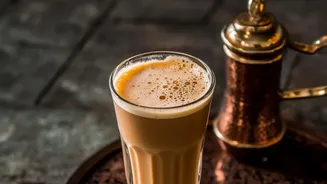
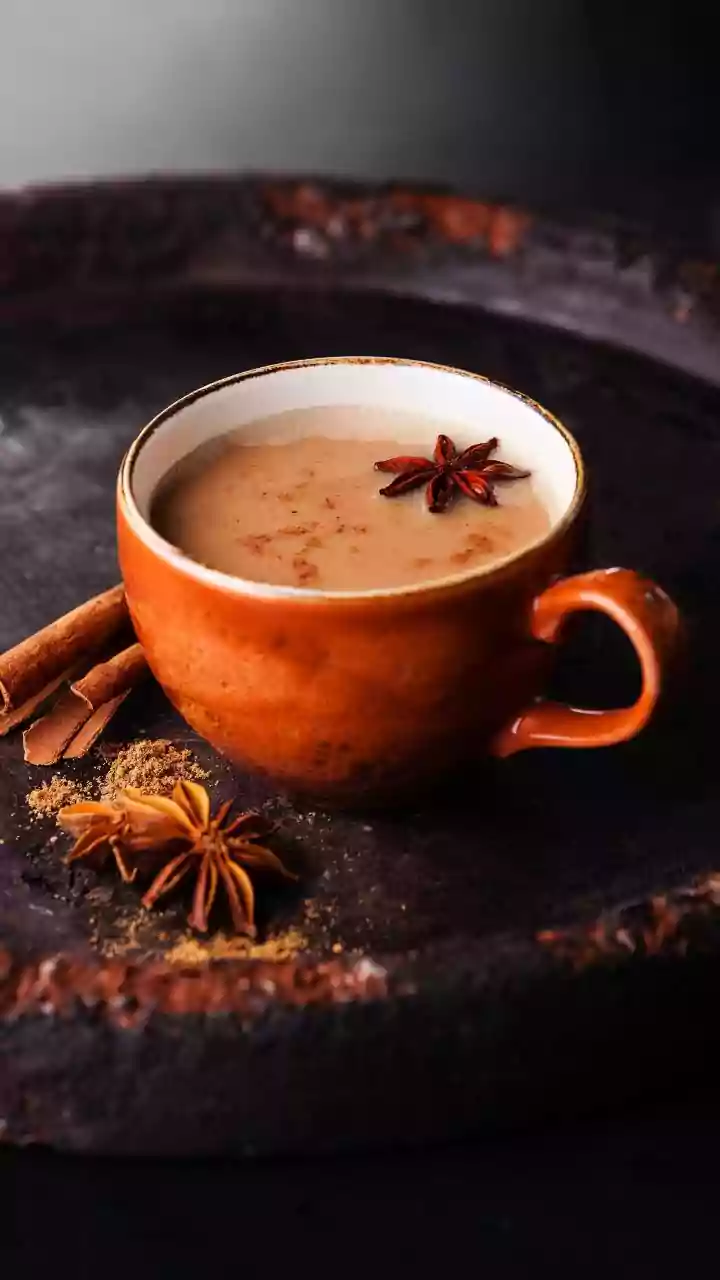
Let's be clear: traditional tea, especially the beloved adrak or masala chai, isn't going anywhere. It remains deeply embedded in the nation's cultural fabric, with studies showing that a vast majority of Indians consume tea daily. It’s the default beverage
for kickstarting the morning, welcoming guests, and fueling conversations from roadside stalls to corporate boardrooms. Black tea, often consumed with milk, still dominates the market in terms of sheer volume and cultural importance. This daily ritual is a cornerstone of Indian life, a habit passed down through generations that provides comfort, energy, and a moment of pause in a hectic day. For many, tea is synonymous with this specific, spiced, and sweetened preparation.
The Rise of the Specialty Brew
Alongside the unwavering love for chai, a significant shift is underway. A growing number of Indians, particularly millennials and Gen Z, are exploring the wider world of tea. The specialty tea market has seen remarkable growth, more than tripling in the last five years to become a ₹1,000 crore segment. This trend is driven by a curiosity for premium and artisanal products, from single-origin Darjeeling and Assam orthodox teas to more exotic varieties like oolong and white tea. Consumers are developing a taste for teas that offer unique origin stories, complex flavour profiles, and a more refined drinking experience, signalling a move towards quality over quantity.
Wellness in a Teacup
Perhaps the most powerful force reshaping India's tea landscape is the booming wellness movement. Health has become a primary motivator for beverage choices, with more than half of specialty tea drinkers citing wellness as their main reason for adoption. This has fueled an explosion in the popularity of herbal infusions and functional blends. Teas infused with Ayurvedic ingredients like tulsi, ashwagandha, and turmeric are no longer niche products but are rapidly expanding. Consumers are actively seeking out teas that promise benefits like stress relief, immunity support, and improved gut health, making the tea aisle look more like a wellness apothecary.
New Formats for a New Generation
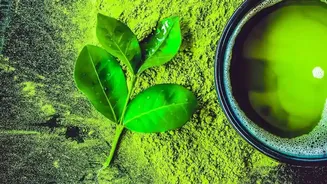
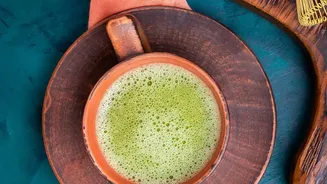
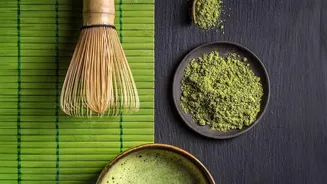
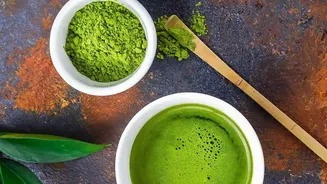
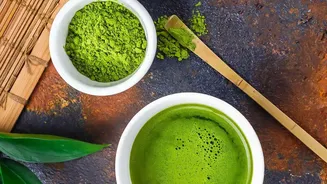
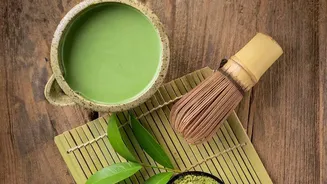
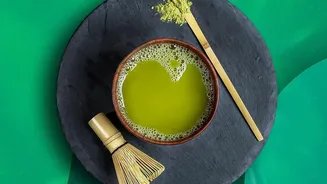
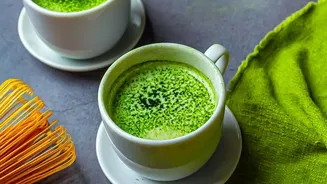
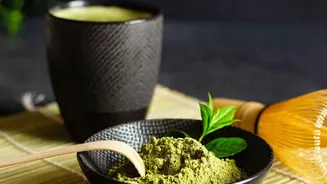
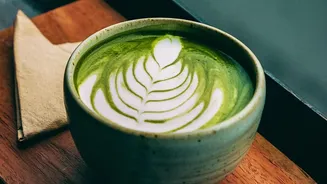
The very form of tea is also changing. Convenience is a key driver, leading to a 109% year-on-year growth in the ready-to-drink (RTD) tea segment. Chilled, bottled options like peach-flavoured iced tea—a flavour that has seen meteoric growth—fit seamlessly into the busy lives of urban consumers. Globally-inspired drinks like matcha and bubble tea are also moving from niche cafe trends to mainstream choices, especially among younger demographics who are more willing to experiment. This diversification shows that tea is evolving from a strictly hot, home-brewed beverage into a versatile drink for all occasions and seasons.
The Digital D2C Revolution
This transformation is being accelerated by a new wave of entrepreneurs and the power of e-commerce. Direct-to-consumer (D2C) brands are bypassing traditional retail channels to connect directly with customers, offering a wider selection of artisanal and specialty teas online. These brands excel at storytelling, highlighting the unique origins of their teas and educating consumers about different brewing methods. This digital-first approach has made premium and experimental teas more accessible than ever, allowing smaller producers to find their audience and helping to cultivate a more knowledgeable and discerning tea-drinking public.