




The Hardy Treasure of the Forest
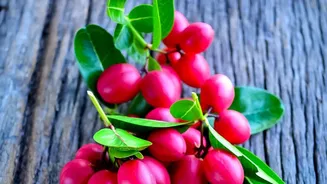
In the rugged Dang region of Karauli, a thorny, resilient shrub known as Jharberi flourishes without any agricultural intervention. This plant, scientifically named Ziziphus nummularia, is a true survivor, thriving in arid plains, sandy soils, and rocky
terrains where other vegetation struggles. Each winter, it produces a small, reddish-brown to blackish fruit known as the wild Beri or wild jujube. Though small in size, often no larger than a centimetre in diameter, this fruit is a powerhouse of flavour and a cornerstone of the local ecosystem, sustaining both wildlife and human communities through the colder months.
A Profile of Flavour and Nutrition
The wild Beri offers a complex sweet and sour taste that is highly anticipated by local communities. Often called 'the apple of the forests', its flavour profile is unique to the wild varieties, distinct from its larger, cultivated cousins like the Indian Jujube (Ziziphus mauritiana). Nutritionally, the fruit is a giant. It is exceptionally rich in Vitamin C, boasting levels often higher than citrus fruits. It also provides significant dietary fibre, essential minerals like calcium, phosphorus, and iron, and a host of antioxidants. This impressive profile makes it an excellent natural immunity booster, ideal for the winter season when colds and fevers are common.
The Backbone of a Local Economy
The annual harvest of wild Beri is a vital economic activity for the tribal and rural populations living in and around the Dang forest. For many families, collecting and selling these berries provides a crucial source of income. The forest produce, including fruits like Beri, firewood, and fodder, contributes significantly to household incomes in many rural parts of India. The Beri harvest is a community affair, with villagers venturing into the forests to gather the ripe fruits. These are then sold fresh in local markets or dried for later use, becoming a valuable non-timber forest product that supports livelihoods with minimal environmental impact.
From Traditional Medicine to Winter Kitchens
The significance of Beri extends deep into traditional practices. In Ayurveda and other indigenous medicine systems, various parts of the Ziziphus plant, including the fruit, leaves, and bark, are used to treat a range of ailments. The fruit is traditionally used to aid digestion, soothe coughs and sore throats, and as a blood purifier. In the kitchen, the wild Beri is a versatile winter ingredient. It's most often eaten fresh as a simple, nutritious snack. It can also be dried, preserving its nutrients and creating a chewy, date-like treat. A popular preparation involves making a tangy and sweet 'chutney' or pickle, which pairs wonderfully with classic Rajasthani winter staples like Bajra roti.
A Symbol of Resilience and Heritage
More than just a fruit, the wild Beri of Karauli holds cultural and even mythological importance. It is linked in local folklore to the story of Shabari, who offered the sweet berries to Lord Ram, symbolizing humble devotion. This connection elevates the fruit from mere sustenance to a symbol of natural purity and heritage. Its ability to thrive in harsh conditions and provide for the community makes it an icon of ecological resilience. As interest in foraging, local food systems, and forgotten flavours grows, the wild Beri stands out as a prime example of the invaluable bio-cultural wealth hidden within India’s diverse landscapes.