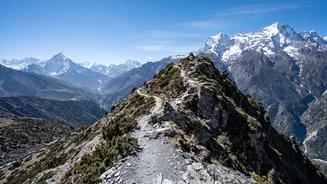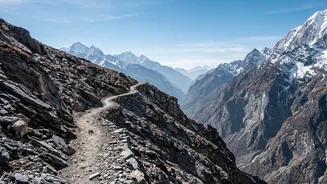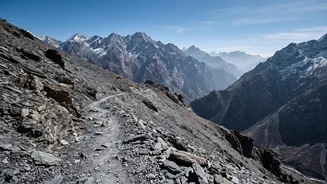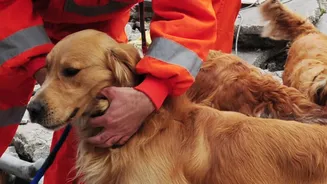

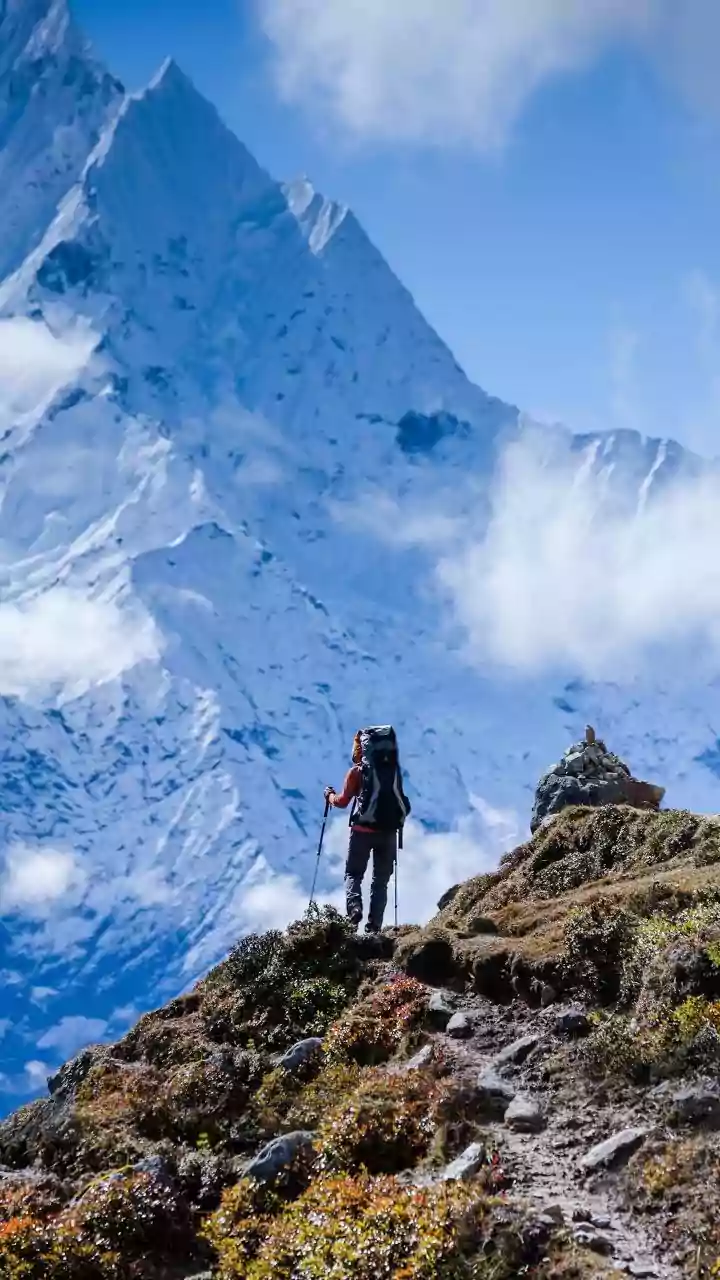
The dramatic rescue of six Indian trekkers stranded by heavy snowfall in Nepal has once again cast a spotlight on the exhilarating yet perilous nature of Himalayan adventures. The incident serves as a crucial reminder of the risks involved.
A Rescue at High Altitude
In early November
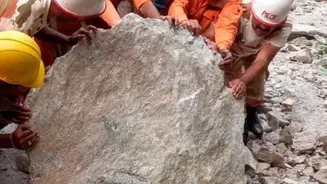
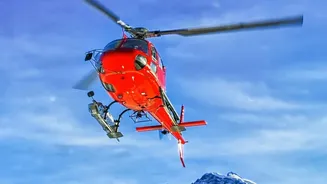
2026, a group of six Indian tourists found themselves trapped by unseasonal heavy snowfall in Nepal's remote Upper Dolpa region. The trekkers, who had reportedly ventured into a restricted area without the necessary permits and ignored weather warnings, spent two harrowing nights stranded before a helicopter could evacuate them. The rescue operation was complex, requiring multiple helicopter trips to bring all six individuals to safety. While the trekkers were thankfully unharmed, the incident came at a significant cost, with Nepalese authorities footing a substantial bill for the emergency evacuation. This event, along with another recent helicopter collision that tragically killed an Indian tourist, underscores the inherent dangers of high-altitude environments.
The Irresistible Pull of the Himalayas
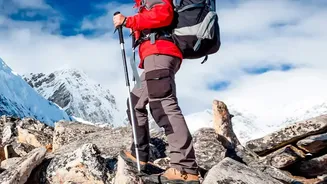
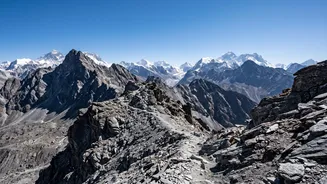
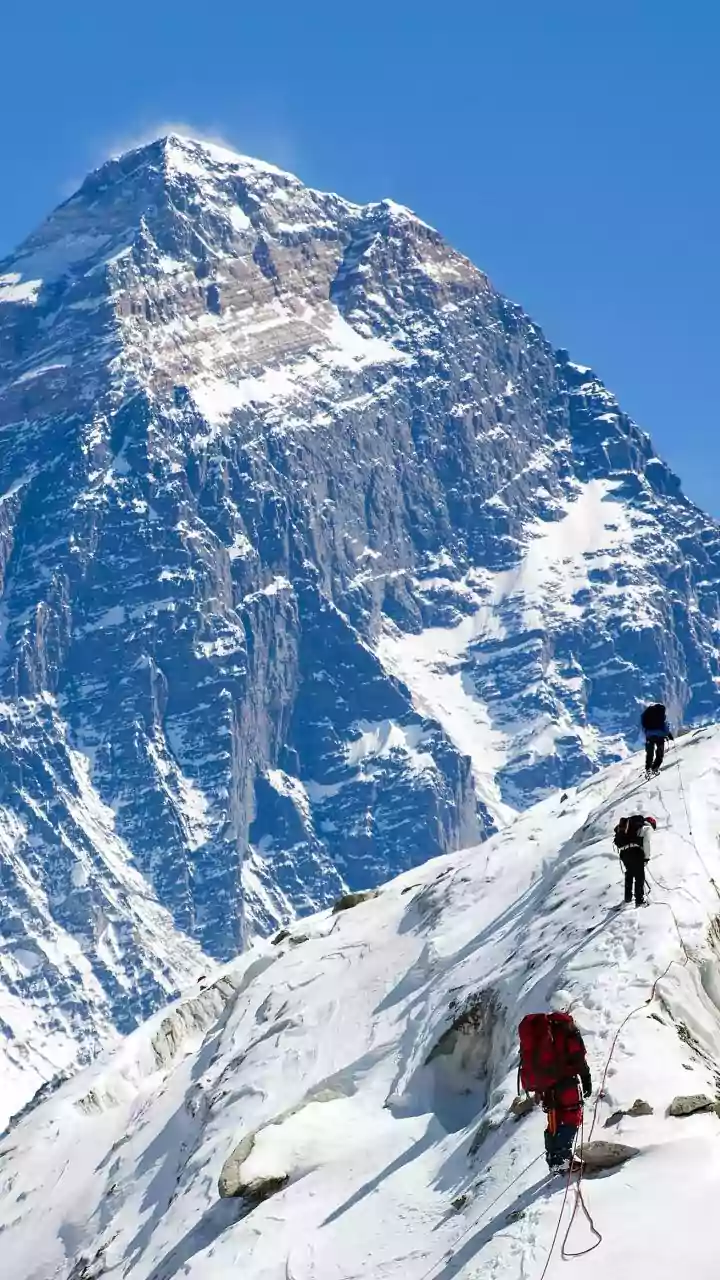
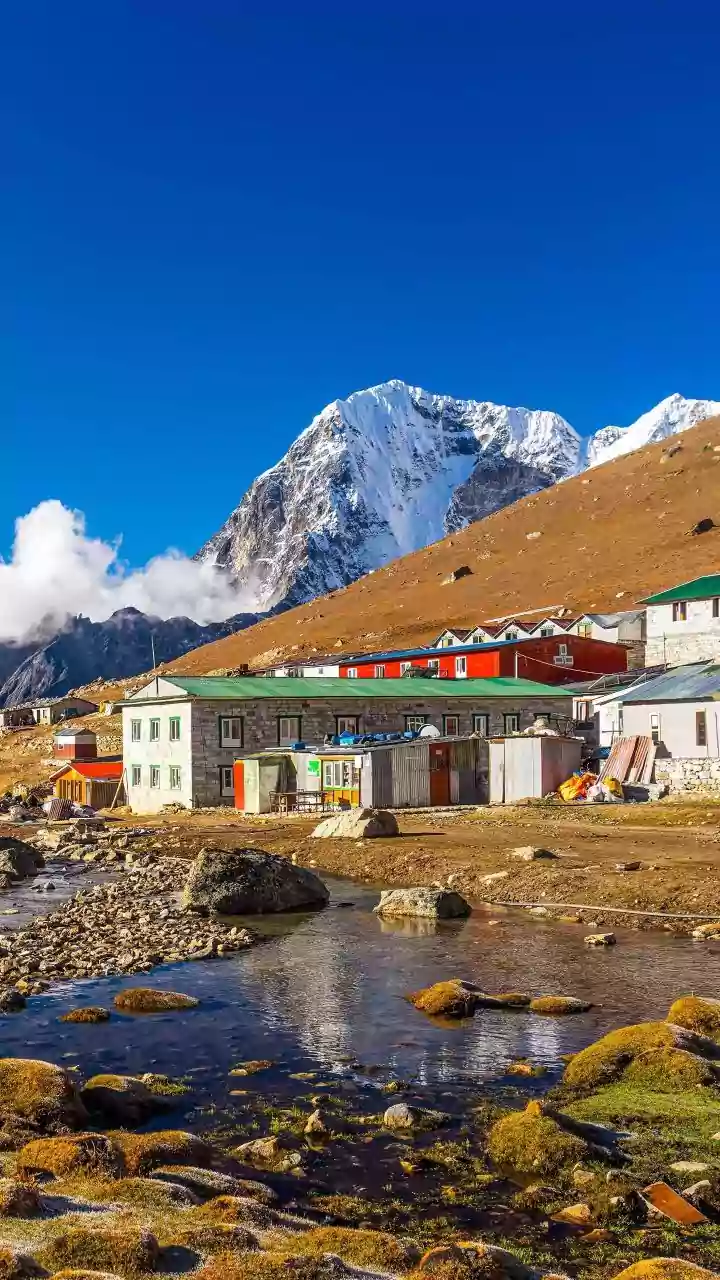
For a growing number of Indians, the call of the mountains is undeniable. The majestic peaks of Nepal, home to eight of the world's fourteen highest mountains, offer an unparalleled sense of adventure and escape. Each year, thousands of trekkers flock to iconic routes leading to Everest Base Camp, the Annapurna circuit, and the serene lakes of Shey Phoksundo. However, this increasing footfall also brings a rise in incidents, ranging from minor injuries to life-threatening emergencies. The allure of breathtaking vistas often masks the very real dangers of altitude sickness, unpredictable weather, and treacherous terrain.
Understanding the Risks
The primary danger for any high-altitude trekker is Acute Mountain Sickness (AMS), a condition caused by the body's inability to adapt to lower oxygen levels. Symptoms can range from headaches and nausea to more severe, life-threatening complications. Weather is another formidable foe; a clear morning can transform into a blizzard within minutes, obscuring trails and causing temperatures to plummet. Getting lost is a significant risk, especially for those who are unfamiliar with the terrain. These challenges are why authorities have been tightening regulations to enhance trekker safety.
New Rules on the Trail
In response to a growing number of incidents, Nepal's tourism authorities have implemented stricter rules. As of 2026, it is mandatory for foreign trekkers in most popular regions, including Everest and Annapurna, to hire a government-licensed guide through a registered trekking agency. The policy, often dubbed 'No Guide, No Trek', effectively bans independent solo trekking in these areas. Trekkers must also obtain a digital Trekkers' Information Management System (TIMS) card, which helps authorities track their movements for safety purposes. These measures are designed to prevent trekkers from getting lost, ensure a quick response in emergencies, and discourage unauthorised and unsafe trekking operations.
Preparation: Your Most Important Gear
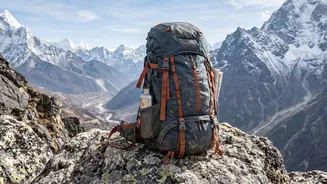
While guides are now mandatory, personal responsibility remains paramount. Proper preparation begins long before setting foot in Nepal. This includes a dedicated fitness regimen focusing on cardiovascular endurance. Equally crucial is comprehensive travel insurance that explicitly covers high-altitude trekking and emergency helicopter evacuation, as standard policies are often inadequate. Your packing list must include layered clothing, waterproof gear, a well-stocked first_aid kit, and a reliable power bank. Most importantly, trekkers must adopt a mindset of respect for the mountains, heeding the advice of their guides and prioritising acclimatisation over speed. The mantra on the trail is 'Bistari, Bistari'—slowly, slowly.