







The Journey: A Question of Access
The first clue to the different paces of Ladakh and Spiti lies in how you get there. Ladakh offers a significant shortcut: a direct flight into Leh. This accessibility makes it possible to plan a trip of 5-7 days, though 8-10 is more comfortable for acclimatization
and exploration. You can land, rest, and start exploring. Spiti, on the other hand, demands a road trip. There is no airport. You must drive, either from Shimla or Manali. The complete Spiti circuit is a long, rewarding loop that requires a minimum of 7-9 days, with 10-12 being ideal to truly soak it in. This commitment to the road itself sets a slower, more deliberate pace from the very beginning.
The Vibe: Bustling Hub vs. Quiet Solitude
Ladakh's popularity and easier access have transformed Leh into a bustling hub. During peak season, it’s a vibrant, social place with a wide range of hotels, cafes, and tour operators. You’ll share iconic sights like Pangong Lake with many other travellers. This makes Ladakh feel grand and adventurous, but also crowded. Spiti offers the opposite experience. It sees significantly fewer tourists, preserving a sense of raw, quiet solitude. The journey feels more personal, and the villages retain an off-the-beaten-path feel. If you seek meditative silence and a digital detox, Spiti's unhurried, less commercialised vibe is its greatest asset.
The Landscape: Cinematic Grandeur vs. Intimate Beauty
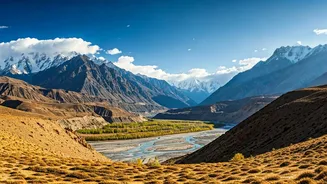
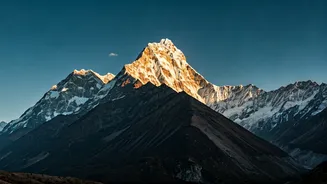
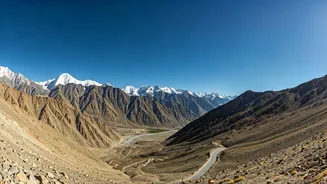
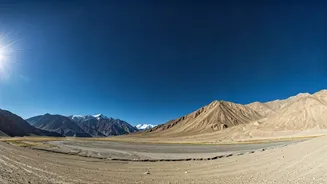
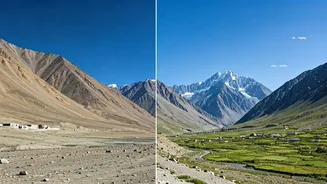
While both are cold deserts, their beauty manifests differently. Ladakh is a land of cinematic grandeur and epic scale. Think of the vast, color-changing expanse of Pangong Tso, the sand dunes of Nubra Valley against snow-capped peaks, and the epic highways over high passes. It's a landscape of wide-angle shots and dramatic vistas. Spiti’s beauty is more intimate and rugged. It's found in the details: ancient, mud-brick monasteries clinging precariously to cliffs, the deep, narrow gorges of the Spiti River, and tiny villages that seem to grow out of the mountainside. It’s less about one iconic viewpoint and more about the immersive feeling of being in a remote, untouched world.
The Itinerary: Hub-and-Spoke vs. Linear Circuit
The travel pace is also reflected in typical itineraries. In Ladakh, Leh often serves as a base. You can do a series of day trips or shorter overnight trips to places like Nubra Valley and Pangong Lake, returning to the relative comfort of the capital. This hub-and-spoke model offers flexibility. A trip to Spiti is a true circuit. You travel in a loop, moving from one village to the next, with each stop taking you deeper into the valley. The popular route enters from Shimla and exits via Manali (or vice-versa), which means you are constantly moving forward. This linear journey creates a stronger sense of pilgrimage and slow, continuous immersion.
Comfort & Cost: Convenience vs. Affordability
Your budget and comfort needs can also dictate your choice. Ladakh’s well-developed tourism infrastructure means a wider range of accommodations, from luxury hotels in Leh to well-appointed camps near major attractions. This convenience comes at a higher cost. Spiti is more budget-friendly. Accommodation is primarily in simple, clean, and incredibly welcoming homestays. While you won't find luxury, you'll gain an authentic cultural experience. The roads are rougher, and the facilities are more basic, rewarding travellers who prioritize experience over polish.