





The Garden City's Modern Dilemma
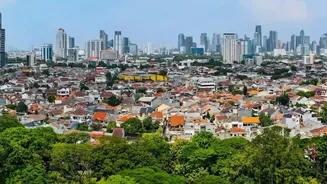
Bengaluru's lush reputation was once its calling card. But decades of explosive growth have drastically altered its landscape. In the 1970s, the city boasted a green cover of around 68%; today, that figure has plummeted to under 4%. This dramatic loss
is the backdrop for the current conflict. As the city grapples with the demands of a population now exceeding 14 million, every square metre of land is fiercely contested. The pressure to build new roads, metro lines, and housing often puts development goals in direct opposition to the city's parks, which many see as essential 'lungs' providing clean air and regulating temperatures in an increasingly concrete jungle.
A Contentious Legal Change
The debate reached a fever pitch in August 2026 when the Karnataka government passed an amendment to the Karnataka Government Parks (Preservation) Act of 1975. This change allows up to 5% of the land in government-managed parks to be used for public infrastructure projects. While officials argue this is a necessary provision for critical works like road widening, citizen groups and environmentalists are alarmed. They argue that parks are not vacant plots but vital ecosystems that provide tangible benefits, such as cooling surrounding areas by an average of over 2 degrees Celsius. The fear is that this amendment legally sanctions the piecemeal destruction of already scarce green spaces.
Citizens on the Front Lines
In response to the legislative change, Bengaluru has witnessed a surge in civic activism. In late August 2026, hundreds of citizens, environmental organisations, and resident welfare associations gathered in iconic spaces like Lalbagh Botanical Garden to protest. Their message was clear: "Not 5%, Not one inch. Leave our parks alone." Activists have submitted letters to the Chief Minister demanding a rollback of the amendment, mandatory public consultations for any project affecting green spaces, and a formal recognition of parks as essential infrastructure. The protests highlight a deep-seated public sentiment that the city's quality of life is intrinsically linked to its green heritage.
The Official Blueprint for Growth
From the government's perspective, the challenge is one of balancing competing priorities. Civic bodies like the Bangalore Development Authority (BDA) and Bruhat Bengaluru Mahanagara Palike (BBMP) are tasked with overseeing the city's sprawling infrastructure needs. Projects like the proposed Hebbal-Central Silk Board tunnel road, which may require portions of Lalbagh, are framed as essential for alleviating Bengaluru's notorious traffic congestion. The government has stated the 5% provision is for such essential public works, not for private interests. Furthermore, the BBMP has also announced plans to develop new parks, particularly in the city's outer zones where green spaces are even more scarce, allocating significant funds for this purpose.
A Deficit of Green and Space
Underlying the entire debate is a stark reality: Bengaluru is severely deficient in public green space. According to some estimates, the city has less than one square metre of park space per person, a fraction of the 10-12 square metres recommended by the Ministry of Urban Development. Studies have found that nearly 28% of the city's wards have either one or no parks at all, highlighting a major issue of unequal access. Critics of the new amendment argue that in a city already running a massive green deficit, a law that makes it easier to take away parkland is a regressive step that will further degrade urban livability and disproportionately affect communities with limited access to private green areas.