








The New Summer Itinerary: Avoiding the Heat
For decades, the peak summer travel formula was simple: head south for sun. But as Europe swelters through increasingly intense and frequent heatwaves, that logic is melting away. Since late May 2026, severe heat has scorched the continent, with temperatures
soaring 10-15°C above normal in multiple countries. This isn't just uncomfortable; it's disruptive. The searing heat is impacting major attractions, buckling motorways in Germany, and prompting travel warnings. As a result, a significant shift in travel patterns is underway. Travellers are no longer just chasing the sun; they're strategically avoiding its punishing extremes. This means reconsidering not only where to go, but when. The traditional July and August rush to the Mediterranean is facing competition from the shoulder seasons, as people seek pleasant weather without the life-draining heat.
Rise of the 'Coolcation'
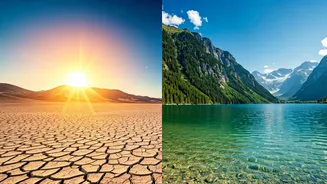
As southern Europe bakes, a new travel trend has gone mainstream: the 'coolcation'. It’s exactly what it sounds like—a holiday planned around comfortable, milder climates rather than scorching ones. Destinations in Northern Europe and the Alps, like Iceland, Norway, Sweden, and Switzerland, are seeing a surge in popularity. Travel data from the first half of 2026 showed that searches for cooler destinations jumped by 74% year-over-year. Iceland, with its average summer temperature of around 11°C, has become a standout, with flight searches up 85% compared to the previous year. Instead of fighting for a spot on a crowded, sunburnt beach, coolcationers are opting for fjord cruises, glacier hikes, and the simple pleasure of breathing fresh, crisp air. It represents a fundamental shift where comfort and climate resilience are becoming primary drivers of holiday planning.
The Troubling Allure of 'Last-Chance' Tourism
While some travellers flee the heat, others are rushing toward disappearing wonders in a phenomenon known as 'last-chance tourism'. This involves visiting locations under imminent threat from climate change, like the rapidly melting glaciers of Glacier National Park, the bleaching Great Barrier Reef, or the sinking islands of the Maldives. The motivation is a powerful sense of urgency—to see these marvels before they are gone forever. However, this trend presents a troubling paradox. The very act of visiting these fragile ecosystems often accelerates their decline. The long-haul flights required to reach remote destinations like Antarctica or the Amazon have a massive carbon footprint, directly contributing to the warming that endangers them in the first place. It highlights a difficult conflict between the human desire to witness Earth’s beauty and the environmental cost of doing so.
How the Travel Industry Is Adapting
The travel industry is slowly waking up to the new climate reality. In regions hit by extreme heat, hotels and tour operators are being forced to adapt by upgrading cooling systems, shifting excursion times to early morning or evening, and promoting more indoor activities. Ski resorts facing shorter snow seasons are diversifying into 'four-season' destinations, promoting hiking and biking. Some destinations are implementing tourism taxes or entrance fees aimed at managing crowds and funding conservation efforts. Airlines and other stakeholders are exploring sustainable aviation fuels and other decarbonisation strategies, though progress is slow. More broadly, the industry is recognising that building resilience is no longer optional. Governments and organisations like the OECD are now urging the sector to integrate climate risk assessments and crisis planning into their core strategies to ensure long-term survival.