
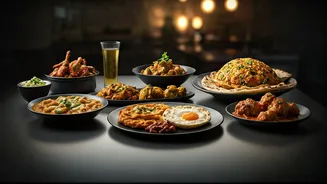


The End of the ‘Anything Goes’ Menu
Remember the era of the 'dosa taco,' 'butter chicken pizza,' and menus so confusing they required a glossary? For a long time, 'fusion' was the buzzword in Indian dining. It promised innovation and excitement but often delivered gimmickry. [3] This 'anything
goes' approach, where dishes from different cultures were mashed together without a clear story, is losing its charm. Diners have become more discerning and are growing tired of meals that feel like a trend-chasing exercise rather than a coherent culinary experience. [3, 21] This isn't to say all fusion is failing; thoughtful, story-driven fusion cuisine is still thriving. [8] However, the generic, soulless fusion that once dominated urban menus is being replaced by something far more meaningful and rooted.
The Rise of Roots and Recipes
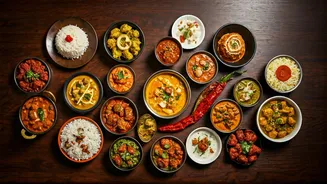
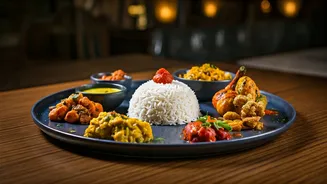
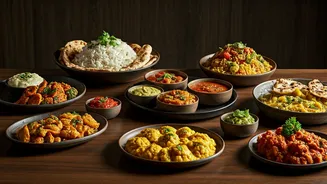
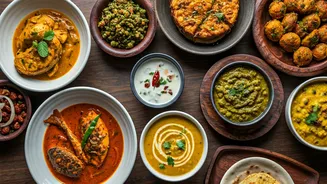
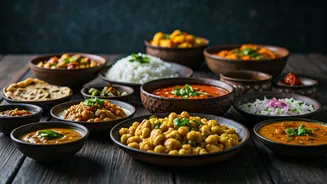
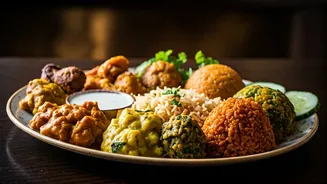
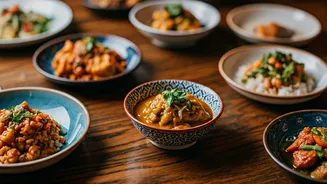
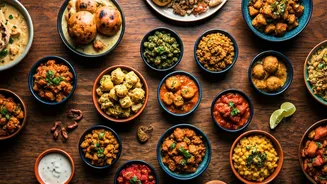
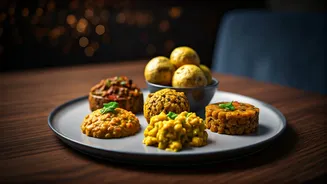
The major shift in India's culinary landscape is the enthusiastic return to regional flavours. [3] Restaurants dedicated to specific cuisines—from the coastal fare of Kerala and Goa to the rustic dishes of Bihar or the subtle spices of Odisha—are gaining immense popularity. [3, 19] These establishments are moving beyond the handful of North Indian dishes that once defined 'Indian food' for many. [15] Instead, they are presenting menus that celebrate the unique ingredients, cooking techniques, and flavour profiles of a single region. [2, 14] Whether it's a Chettinad chicken curry, a Rajasthani dal baati, or smoked pork from Nagaland, diners are embracing the depth and diversity that these focused menus offer. [2, 3]
Why Diners Are Demanding More
This movement is powered by a more informed and curious diner. [5, 9] Increased travel, social media exposure, and a wealth of food-focused content have educated palates and sparked a desire for authenticity. [3] Diners today don't just want a good meal; they want a story. [5] They want to know the origin of a recipe, the significance of a spice, and the cultural context of their food. [3, 17] There is a growing pride in local heritage, with younger generations eager to connect with the food of their own states and families. [3] This quest for authenticity and connection has made regional cuisine a powerful draw, as it offers a taste of history and identity that generic fusion often lacks. [10]
Chefs as Curators and Storytellers
Chefs are at the forefront of this regional renaissance, acting more like cultural curators than just cooks. [17] Many are travelling to remote villages to unearth forgotten recipes and rediscover indigenous ingredients. [7, 14] Instead of trying to reinvent Indian food for a global palate, they are presenting traditional dishes with confidence and pride. [17] This new wave of chefs is focused on honouring the provenance of their ingredients and the integrity of the original dish, even when presenting it in a modern, fine-dining context. [16, 19] Their work is transforming the perception of Indian food from one-dimensional 'curry' to a complex, sophisticated, and incredibly diverse culinary tradition. [15]
What This Means for Your Next Meal
For the average diner, this trend is overwhelmingly positive. It means more variety, higher quality, and more memorable experiences. The move away from generic menus means restaurants are competing on authenticity and flavour, not just novelty. According to industry reports, nearly 38% of diners are actively seeking out regional cuisines, and restaurants with specialized menus are seeing their customer base grow significantly faster than those with generic offerings. [5, 6] This shift is fostering a deeper appreciation for India's vast culinary heritage, supporting local farmers, and ensuring that the country's diverse food traditions are preserved and celebrated for years to come. [3, 14] The next time you dine out, you're not just choosing a meal; you're choosing a story.