







Why Your Visa Defines Your Trip
For Indian citizens, a visa is mandatory to enter Japan, and there is no visa-on-arrival option. This isn't just a piece of paperwork; it's the blueprint for your adventure. The type of visa you secure dictates how long you can stay—typically up to 90
days for tourists—and what you're allowed to do. Thinking of a 2-week whirlwind tour versus a 30-day deep dive? Your visa's validity will make that decision for you. Planning your trip around the visa process, rather than fitting the visa into pre-existing plans, is the single most effective way to avoid stress. It prevents the heartbreaking scenario of having non-refundable flights and hotel bookings for a trip you can't take because your visa was delayed or denied.
Decoding Japan's Visa Options for Tourists
The most common choice for travellers is the short-term Tourist Visa. This visa is for sightseeing, visiting friends, or recreation. For Indian nationals, Japan has also streamlined the process by introducing an eVisa system, allowing for online applications and a digital visa notice instead of a physical sticker in your passport. For frequent travellers, Japan offers multiple-entry visas, but these often have stricter requirements, such as a history of previous travel to Japan or other G7 countries, and proof of significant financial capacity. Understanding which visa you qualify for is essential. A first-time traveller with a standard itinerary will likely apply for a single-entry tourist visa, which is the most straightforward option.
The Application Playbook
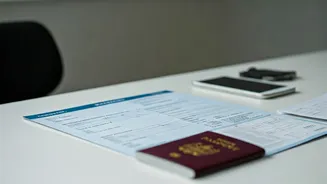
The application process for Indian citizens is handled through VFS Global centres, which then forward applications to the Japanese Embassy or Consulate. While the official processing time is often cited as 5 to 10 working days, this doesn't include the time it takes to get an appointment, prepare documents, or for the passport to be returned. A realistic end-to-end timeline is closer to 3-4 weeks, and even longer during peak seasons like the cherry blossom period. The document checklist is precise and non-negotiable. Key items include a valid passport, a detailed day-by-day itinerary, confirmed flight and hotel bookings, recent bank statements showing sufficient funds, and Income Tax Returns. Every document, from the 2x2 inch photograph with a white background to the printouts of your bookings, must meet the specified requirements.
Common Pitfalls and How to Avoid Them
Visa rejections for Japan often stem from avoidable mistakes. The most frequent reasons for refusal are incomplete or inconsistent documentation, weak financial proof, and an unclear travel itinerary. For example, submitting bank statements that show a sudden large deposit right before applying can raise red flags. A vague itinerary that just says “Tokyo - 5 days” is less convincing than one detailing planned sights and accommodations. One of the most serious errors is providing false information or fake bookings; Japan's verification is notoriously strict. The best strategy is honesty and meticulous preparation. Ensure your cover letter clearly explains your travel purpose, your financial documents are transparent, and your itinerary is detailed and logical.
The Freedom of a Stamped Passport
The moment you have your visa approved is the true starting point for the rest of your travel planning. With the certainty of entry, you can now confidently book that special ryokan, reserve a spot at a sought-after restaurant, or buy tickets for the Shinkansen (bullet train). You can switch from provisional bookings to confirmed ones, often saving money by booking further in advance. This approach transforms the visa application from a final, stressful hurdle into a foundational, empowering first step. It separates the administrative task from the joyful experience of planning your Japanese itinerary, allowing you to fully immerse yourself in the excitement of the journey ahead, knowing the most critical part is already taken care of.