




Understanding Monsoon Mountain Risks
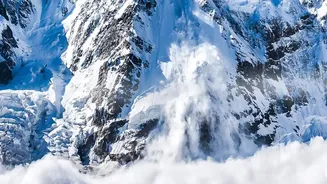
Travelling to the Himalayas or Western Ghats during the monsoon is different from a summer trip. The primary dangers are not just the rain itself, but its consequences. Heavy, continuous rainfall saturates the soil on steep slopes, leading to landslides
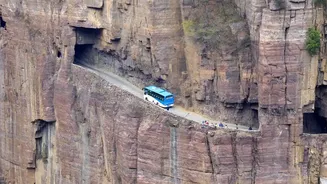
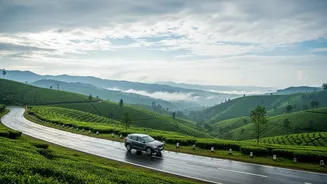
that can block roads for hours or even days. This is a frequent issue on major arteries like the highways to Manali, Shimla, and routes in Uttarakhand. Flash floods are another serious concern, as tranquil streams can transform into raging torrents with little warning, washing away paths and threatening riverside camps or hotels. Furthermore, persistent rain and fog dramatically reduce visibility on winding mountain roads, making driving hazardous.
Your Weather-Checking Strategy
Your first step in planning should be a thorough weather check, not just for your destination but for the entire region you'll be travelling through. Start monitoring forecasts from reliable sources like the India Meteorological Department (IMD) at least a week in advance. The IMD issues district-level warnings and extended range forecasts that can give you a clear picture of expected rainfall intensity. Pay close attention to any 'heavy' or 'very heavy' rainfall alerts. It's also wise to understand that a 'below-normal' monsoon forecast for the season doesn't eliminate risk; deadly hazards are often caused by short, intense cloudbursts that can occur even in a weaker monsoon. Always have a backup plan or be prepared to alter your itinerary if a severe weather warning is issued.
How to Verify Route Safety
Never assume a road will be open. Before you leave and each morning of your trip, check the status of your intended route. State police traffic pages and local news outlets are often the first to report closures due to landslides or weather. Avoid relying solely on online maps, which may not have real-time information on blockages. If you're heading to popular but vulnerable areas like parts of Himachal Pradesh or Uttarakhand, know the alternative routes in advance. A crucial tip is to talk to locals, such as your hotel staff or local drivers. They possess invaluable, up-to-the-minute knowledge about which roads are safe and which are best avoided. Whenever possible, avoid driving after dark when visibility is poor and hazards are harder to spot.
Packing for a Wet and Unpredictable Climate
Monsoon packing is about staying dry and prepared. Your clothing should consist of quick-drying synthetic fabrics rather than cotton. A reliable waterproof rain jacket or poncho is non-negotiable. For footwear, choose waterproof shoes or hiking boots with excellent grip to handle slippery trails and muddy paths. It's essential to protect your belongings, so use a waterproof backpack cover and keep electronics, documents, and extra clothes in separate waterproof bags or zip-locks. Also, pack a basic first-aid kit, insect repellent, and any personal medications. A power bank is a smart addition, as power cuts can be common during heavy rains.
Smart Choices on the Ground
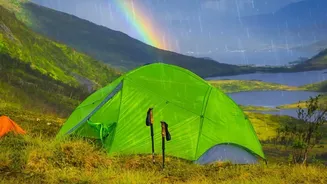
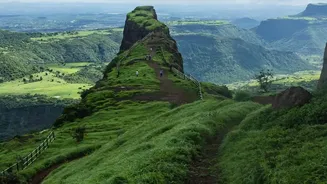
Once you're there, flexibility is key. Always build a buffer day or two into your itinerary to account for unexpected delays from roadblocks. If a weather forecast is severe, trust it, even if the sky looks clear at the moment. Mountain weather can change with astonishing speed. When trekking or exploring, stick to marked trails and consider hiring a local, registered guide who knows the terrain's monsoon behaviour. Avoid camping near rivers or in low-lying areas prone to flash floods. Finally, always let someone know your daily plans and expected return time.