







The Core of the Conflict
A storm is gathering in Bengaluru’s vibrant food scene, and it threatens to change how millions order their meals. For months, restaurant owners have been locked in a tense standoff with food delivery platforms like Swiggy and Zomato. The core issues
are inflated menu prices on apps and a complex web of additional charges that restaurants claim are crippling their businesses. The Bruhat Bengaluru Hotels Association (BBHA) has now issued an ultimatum: address these concerns by August 15, or thousands of restaurants may log off the platforms for good. This is not just a simple disagreement over pricing; it's a battle for the survival of small businesses in the age of big tech.
The Restaurant's Perspective: Squeezed to the Limit
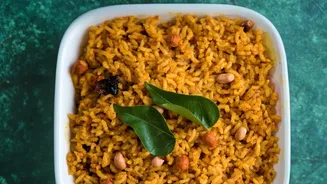
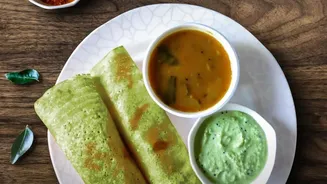
Restaurant owners argue that the business model of food delivery aggregators has become unsustainable. They point to high commission rates, which can range from 8% to as high as 28% per order, as a primary concern. On top of this, they face a barrage of other deductions: payment gateway fees, advertising charges (often applied without explicit consent), and charges for platform-led discounts. Some restaurateurs claim that after all these cuts, they receive less than half of the order's value. To compensate for these shrinking margins, many feel forced to increase the prices on their delivery menus. One hotelier noted that a plate of idli costing ₹35 at the restaurant can be priced as high as ₹90 on an app. They argue this isn't greed, but a desperate measure to cover costs and stay afloat.
The Platform's Defence and the Customer's Cost
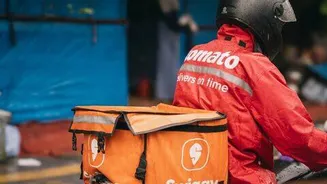
From the perspective of Swiggy and Zomato, their platforms provide immense value. They offer restaurants a vast customer base, sophisticated logistics, and a seamless ordering and payment system. The commissions, they argue, are necessary to fund these complex operations, including paying delivery partners and maintaining the technology. While the platforms have not issued formal public statements on the recent boycott threat, sources suggest they are in talks with the associations. Ultimately, the customer is caught in the middle. The final bill on a delivery app often includes the inflated menu price, a delivery fee, packaging charges, and sometimes a platform fee. This price stacking leaves many users confused and frustrated, wondering why the convenience of delivery comes at such a steep premium compared to the restaurant's own menu.
A History of Friction and the Search for Alternatives
This is not the first time restaurants have pushed back. A similar "Logout" campaign took place in 2019, targeting aggressive discounting practices. The dispute has also caught the attention of regulators. In 2022, the Competition Commission of India (CCI) launched an investigation into Swiggy and Zomato for alleged anti-competitive practices, following a complaint by the National Restaurant Association of India (NRAI). The ongoing friction has led restaurants to explore alternatives. Some are looking towards the government-backed Open Network for Digital Commerce (ONDC), while others are partnering with newer, low-commission platforms like Rapido's Ownly, which aims for more transparent pricing by charging customers separately for food and delivery.