



A Landscape Painted Red
In the heart of Andhra Pradesh, particularly in districts like Chittoor and Annamayya, the summer months bring a unique challenge and opportunity. The Madanapalle market, one of Asia's largest tomato hubs, overflows with produce. This seasonal abundance
often leads to a dramatic drop in prices, a recurring hardship for farmers who sometimes struggle to even cover their costs. But from this economic reality, a tradition of ingenuity was born. For generations, households have responded to the tomato glut not with despair, but with a flurry of culinary activity, ensuring not a single bit of the harvest goes to waste. This period marks the annual return of a practice steeped in flavour and practicality: the art of tomato preservation.
The Art of the 'Pachadi'
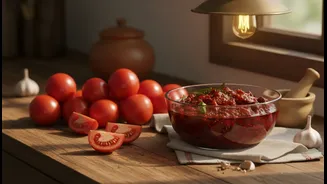
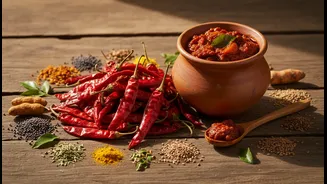
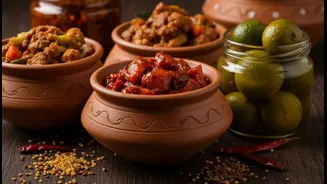
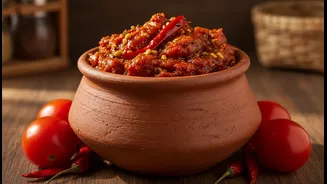
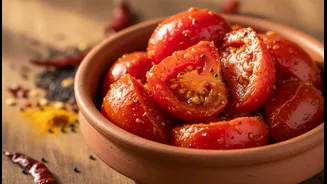
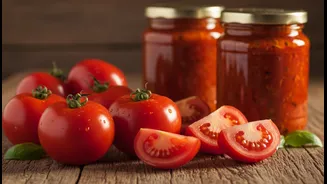
The star of this tradition is undoubtedly the 'Tomato Nilava Pachadi', a pickle that is a cornerstone of Andhra cuisine. Unlike a fresh chutney or 'pachadi', which is made for immediate consumption, the 'nilava' version is designed to last for months, capturing the essence of summer in a jar. The process is a labour of love. Ripe, flavourful tomatoes are slow-cooked, often with a bit of tamarind, until they break down into a thick, pulpy base. This mixture is then combined with a potent blend of spices—fiery Guntur red chilli powder, roasted and ground fenugreek and mustard seeds, and a generous amount of sesame oil, which acts as a natural preservative. The result is a condiment that is deeply tangy, intensely spicy, and profoundly aromatic, a perfect accompaniment to hot rice and ghee.
Sun-Kissed 'Vadiyalu'
Alongside the rich pickles, another method of preservation takes centre stage: the making of 'vadiyalu'. These are sun-dried savoury cakes or crisps, a tradition that harnesses the fierce summer sun. Tomato vadiyalu are made by creating a mixture of tomato puree, spices, and a binding agent, often rice flour, sago, or 'atukulu' (beaten rice). This thick batter is then meticulously spooned onto sheets or cloths and left to dry in the sun for several days. Once completely dehydrated, these brittle discs can be stored for months. When needed, they are deep-fried, puffing up into crispy, flavour-packed morsels that add a delightful crunch to a meal, often served with dal and rice.
More Than Just Food
This seasonal ritual is about more than just preserving food; it's a social and cultural event. It evokes memories of grandmothers and mothers gathering in courtyards, the air thick with the smell of simmering tomatoes and roasting spices. It is a tradition passed down through generations, representing resourcefulness, community, and the deep connection between the people and the land. The flavours are a taste of home, a culinary heritage that provides comfort and a link to the past. Each jar of pickle or batch of vadiyalu contains not just ingredients, but stories and the collective wisdom of a community that learned to turn excess into excellence.
A Tangy Legacy Endures
In a fast-paced world of instant meals and year-round availability, these preservation traditions face challenges. Yet, they endure. The return of the tomato season is met with enthusiasm not just in ancestral homes but also by a new generation. Small-batch producers and home entrepreneurs are now taking these recipes to a wider audience online, ensuring the tangy legacy of Andhra's tomato tradition continues to thrive. It remains a vibrant, living practice, a testament to the enduring power of food to connect us to our roots, our families, and the rhythms of the seasons.