
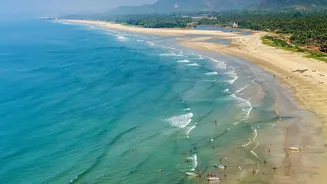
Beyond the bustling cities, the true rhythm of Vietnam is found along its coastline. At dawn, hundreds of colourful boats return to shore, markets come alive with the day's catch, and a timeless way of life unfolds in its fishing communities.
Mui Ne: A Sunrise Spectacle
The fishing
village in Mui Ne offers one of coastal Vietnam's most iconic scenes. Best visited between 5:30 AM and 7:30 AM, this is when the harbour is a frenzy of activity. Hundreds of brightly painted wooden boats bob on the water while fishers in traditional round 'thung chai', or basket boats, ferry their hauls to the shore. The beachfront transforms into a spontaneous, bustling market where locals sort, trade, and sell an incredible variety of fresh seafood, from crabs and scallops to massive groupers. The air is thick with the sounds of bargaining and the salty scent of the sea, offering an unfiltered glimpse into the daily grind of a fishing community that has sustained itself for generations. It's a photographer's dream and a profound cultural experience.
Cai Beo: A Floating World in Lan Ha Bay
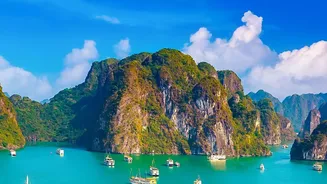
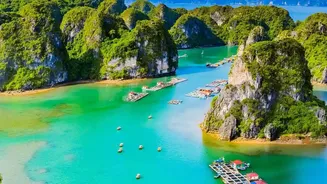
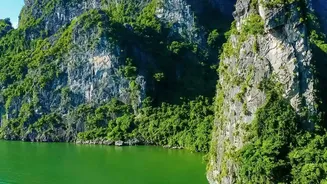
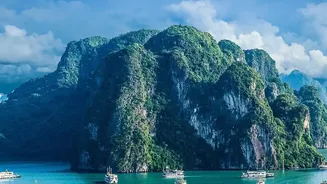
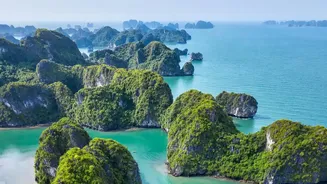
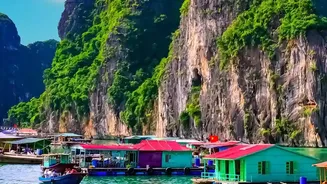
Considered Vietnam's oldest fishing settlement, Cai Beo is a village that lives entirely on the water. Located near Cat Ba Island in the serene Lan Ha Bay, it is home to around 400 families whose houses are built on floating platforms, tethered together against the stunning backdrop of limestone karsts. Life here moves at a different pace. The main thoroughfares are waterways, and residents navigate by small boats. Visitors can hire a boat to glide through the community, observing the floating fish farms and the daily routines of its residents. For a deeper immersion, it's possible to join a local fishing trip or even dine at a floating restaurant, savouring fresh seafood just metres from where it was caught.
Quy Nhon: Culture and Community by the Sea
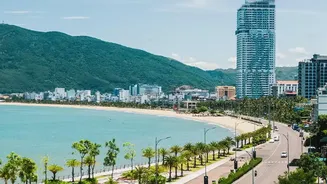
The coastal city of Quy Nhon is less about a single harbour and more about a collection of traditional fishing villages like Nhon Hai and Nhon Ly, which offer a deep dive into maritime culture. These communities retain a powerful relationship with the ocean, shaped by generations of boat work, weather-watching, and sacred ceremonies that honour the sea. In villages like Nhon Hai, the day starts with music playing from speakers, signalling the community to wake up as boats return. Visitors can wander through maze-like alleys, watch families drying fish along the shore, and witness a way of life that feels both tranquil and vibrantly alive. It’s an opportunity to see how fishing is not just an industry but a complete cultural system.
Lang Co Bay: A Lagoon of Tranquility
Recognised as one of the world's most beautiful bays, Lang Co sits majestically at the foot of the Hai Van Pass. Its fishing village is nestled between a vast, calm lagoon and the open sea, creating a stunningly picturesque setting. The fishing here is often a quiet, nocturnal affair, with fishermen using lamps to attract fish and squid after sunset. During the day, the village maintains a peaceful, traditional pace. Wooden boats and classic basket boats dot the shoreline, and the local morning market offers a gentle buzz of activity. The unique geography of the lagoon and the surrounding mountains makes Lang Co a place of serene beauty, where the rhythms of nature and fishing life are in perfect harmony.
An Thoi Port: Gateway to the Southern Islands
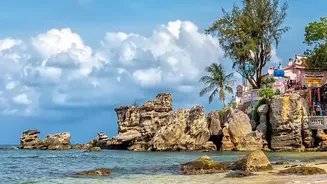
At the southern tip of Phu Quoc island lies An Thoi, the region's oldest and most significant seaport. More than just a single village, it's a bustling hub that serves as the gateway to the An Thoi archipelago. Every morning, the port is a hive of activity as boats return with their catches of tuna, mackerel, and anchovies, which are crucial for producing Phu Quoc's famous fish sauce. While modern development and tourism have shaped the area, the working harbour remains the town's authentic heart. It’s the starting point for island-hopping tours, but taking the time to explore the port itself offers a look at the commercial engine of southern Phu Quoc's fishing industry.