





A Return to Earthy Roots
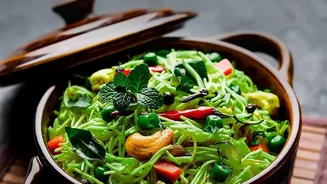
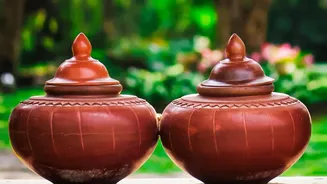
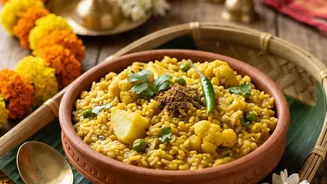
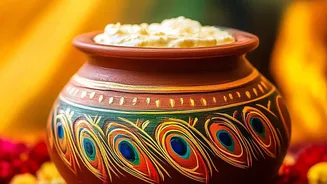
Long before stainless steel and non-stick pans dominated our kitchens, Indian cooking was deeply connected to the earth. For centuries, earthenware vessels like the 'handi' and 'matka' were central to daily life, used for everything from slow-cooking
dals and biryanis to storing water. This ancient practice, with roots tracing back to the Indus Valley Civilization, is now experiencing a remarkable revival. Urban home cooks and professional chefs are increasingly trading modern convenience for traditional wisdom, driven by a growing awareness of health, sustainability, and the pursuit of authentic flavour. This isn't just about preserving a culinary tradition; it's about rediscovering a holistic way of cooking that nourishes both body and soul.
The Science of Superior Health
One of the most compelling reasons for this resurgence is the array of health benefits associated with clay pot cooking. Clay is naturally alkaline, which helps to neutralize the acidity of foods like tomatoes and yogurt, making meals easier to digest. Unlike metal cookware, which can leach chemicals when heated, pure, unglazed clay pots are non-toxic, ensuring that your food remains free from harmful contaminants. Furthermore, the porous nature of clay allows for slow, even heating. This gentle cooking process helps retain delicate nutrients, vitamins, and minerals that are often destroyed by the high, direct heat of metal pans. Ayurvedic principles have long praised clay pot cooking for these very qualities, suggesting it improves the overall nutritional value of a meal.
Unlocking Deeper Flavours and Aromas
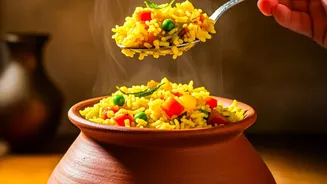
Anyone who has tasted a dish cooked in a handi will attest to its unique flavour profile. The magic lies in the pot's porosity. As the pot heats, it allows steam and moisture to circulate within, essentially cooking the food in its own natural juices. This slow-cooking method keeps ingredients incredibly tender and succulent while locking in their aromas. The result is a deep, earthy flavour—the 'saundhi khushboo'—that simply cannot be replicated in a metal vessel. This process also means that less oil is required for cooking, making it a healthier choice for heart-conscious individuals. Dishes like curries, stews, and biryanis benefit immensely, as the flavours have more time to meld and deepen.
An Eco-Friendly Kitchen Choice
In a world grappling with environmental concerns, choosing clay cookware is a conscious step towards sustainability. Clay is a natural, biodegradable material sourced directly from the earth. Unlike mass-produced non-stick pans that eventually end up in landfills, a clay pot, at the end of its life, can return to the soil without causing pollution. The production of earthenware, often carried out by local artisans, also supports traditional crafts and economies. Moreover, clay pots are energy-efficient. They retain heat exceptionally well, meaning food stays warm for longer periods without the need for reheating, which saves energy.
Getting Started with Clay Cookware
Adopting clay pot cooking does require a little preparation, but the rewards are well worth it. Before its first use, a new clay pot needs to be seasoned. This typically involves soaking the pot in water for several hours, allowing it to absorb moisture. After soaking, it is often recommended to rub the inside with cooking oil and heat it gently to strengthen the pot and prevent cracking. It's crucial to avoid sudden temperature changes—never place a hot pot on a cold surface or a cold pot on a high flame. Always start cooking on a low flame, gradually increasing the heat. When cleaning, avoid harsh detergents and metal scrubbers; a soft sponge and warm water are usually sufficient to maintain your pot's integrity for years to come.