




The Humble Powerhouse: What is Sattu?
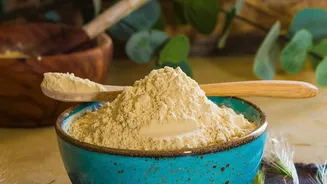
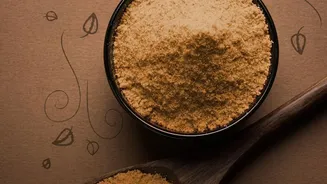
Often called the “poor man’s protein,” sattu is a flour made from roasted grams (chana), a staple food in states like Bihar, Jharkhand, and Uttar Pradesh. Traditionally, it’s been consumed as a cooling sharbat or drink, valued for its ability to provide
instant energy and hydration. The roasting process locks in its nutrients, making it a shelf-stable and highly convenient source of nutrition. While it has a long history as a simple, energy-boosting food for labourers and travellers, its impressive nutritional profile is now catching the eye of the fitness community.
A Nutritional Breakdown for Fitness
After a workout, your body needs two main things: protein to repair muscle tissue and carbohydrates to replenish depleted energy stores. Sattu delivers exceptionally on both fronts. A 100-gram serving packs around 20-26 grams of plant-based protein, putting it on par with many commercial supplements. This protein is vital for muscle synthesis and recovery. Furthermore, it’s rich in complex carbohydrates and dietary fibre, which provide a sustained release of energy without causing a sharp spike in blood sugar. It's also loaded with essential minerals like iron, magnesium, and calcium, which support bone health, muscle function, and energy metabolism.
Upgrading from a Drink to a Meal
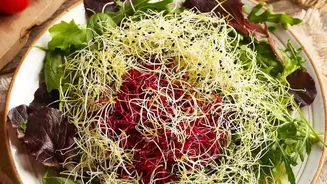
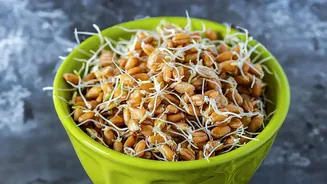
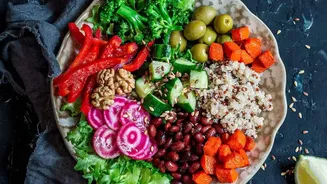
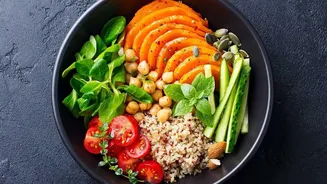
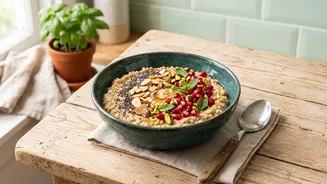
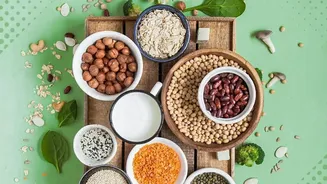
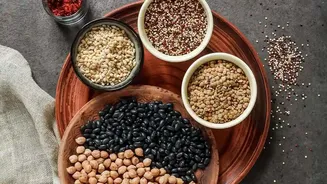
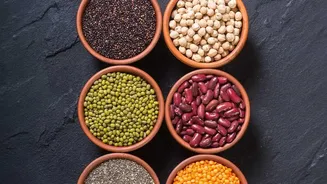
While a sattu drink is effective, the concept of an “upgraded” sattu bowl turns this simple flour into a complete, satisfying meal. This is where legumes come in. By combining the sattu base with other affordable protein sources like boiled chickpeas, sprouts, or lentils, you create a meal with a more diverse amino acid profile and enhanced texture. This transforms a quick drink into a substantial bowl that keeps you feeling full and aids recovery more effectively than sattu alone. The bowl format allows for endless customisation, turning a traditional ingredient into a modern, versatile post-workout solution.
How to Build Your Perfect Sattu Bowl
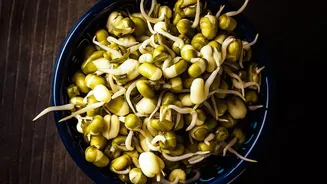
Creating your own upgraded sattu legume bowl is simple and quick. Start by making a paste with 3-4 tablespoons of sattu and a little water to avoid lumps. Then, mix in more water or buttermilk (chaas) to achieve a thick, porridge-like consistency. Now for the upgrades: stir in a cup of cooked legumes like chana (chickpeas) or moong sprouts. Add finely chopped vegetables for crunch and vitamins—onions, tomatoes, cucumber, and fresh coriander work beautifully. Finish with a squeeze of lemon juice and a pinch of black salt or roasted cumin powder for flavour. The result is a nutrient-dense bowl that takes minutes to assemble and provides a balanced mix of protein, carbs, and micronutrients.
Affordability Meets Efficacy
In a market flooded with expensive whey proteins and meal replacement bars, sattu stands out as an incredibly budget-friendly alternative. Staple ingredients like sattu, dals, and chana are among the most cost-effective sources of protein available in India. A single serving of a homemade sattu bowl costs a fraction of a commercial protein shake while providing comparable, if not superior, whole-food nutrition. This makes it an accessible and sustainable option for anyone looking to optimize their post-workout recovery without straining their wallet. It’s proof that effective sports nutrition doesn’t have to be complicated or expensive.