


Start With Your Roots
India's jewellery traditions are as diverse as its cultures, with every state and region boasting unique designs, materials, and crafting techniques. Your journey can begin by exploring the specific traditions of your own family's heritage. Are your roots
in Rajasthan, with its legacy of royal grandeur, or in the south, where gold temple jewellery reigns supreme? Understanding the difference isn't just academic; it's about recognizing the pieces your grandmother may have worn and knowing why certain styles feel like home. Talk to family elders, look at old photographs, and learn the names of the ornaments specific to your community. This personal connection is the most powerful starting point.
The Royalty of Rajasthan: Kundan and Thewa
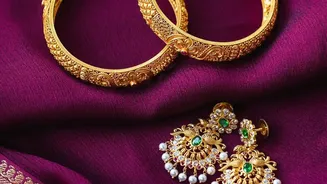
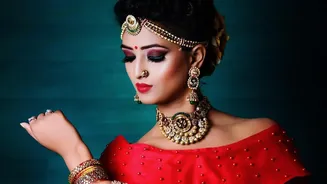
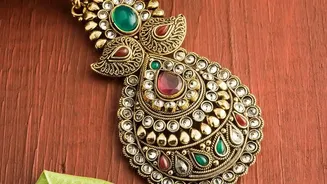
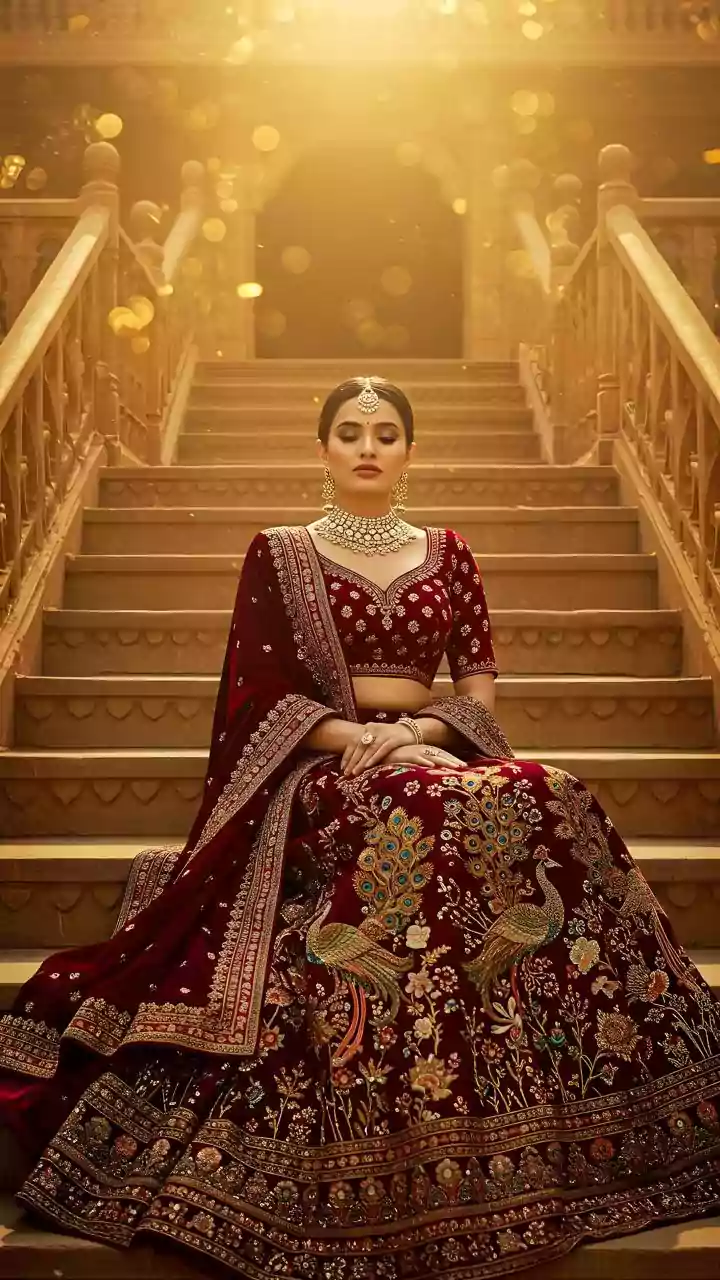
Northern India, particularly Rajasthan, is the heartland of opulent, gemstone-heavy jewellery, a legacy of its royal courts and Mughal influence. Kundan is perhaps the most famous style, where uncut stones are set in a highly refined gold foil base. The reverse side is often decorated with intricate Meenakari, or enamel work, another signature Rajasthani art form where vibrant colours are painted onto metal. Another rare and treasured art from Pratapgarh, Rajasthan, is Thewa. This involves fusing an intricately worked-out sheet of 23K gold onto molten coloured glass, creating motifs that tell stories of history and nature. Identifying authentic Kundan often involves checking for the Meenakari on the back, a sign of true craftsmanship.
Southern Splendour: Temple Jewellery
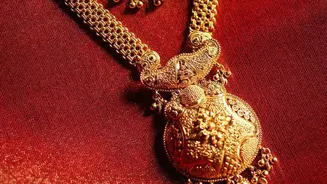
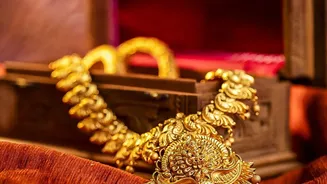
In South India, especially Tamil Nadu, Karnataka, and Kerala, gold itself is the hero. The defining tradition is Temple Jewellery, which originated as adornments for temple deities before being adopted into bridal and classical dance wear. These pieces are crafted from 22-karat gold and feature intricate motifs of gods, goddesses like Lakshmi, peacocks, lotuses, and elephants, often with an antique finish to highlight the detailed carvings. Key techniques include Nakshi (hand-engraved carving) and repoussé (creating raised patterns by working the gold from behind). Look for the characteristic deep red and green kemp stones, which are a signature of this style.
Intricate Arts: Filigree and Meenakari
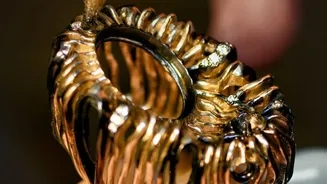
Some jewellery crafts are celebrated across multiple regions. Tarakasi, or silver filigree, is a delicate art form where hair-thin silver wires are twisted and shaped into intricate lace-like patterns. While practised in several states, Cuttack in Odisha is renowned as the 'Silver City' for its 500-year-old Tarakasi tradition. Meenakari, the art of enamelling, was introduced to India by the Mughals and perfected by artisans in Jaipur, Rajasthan. It involves painting powdered glass onto metal and firing it to create permanent, vibrant designs. While Jaipur is famous for its red, green, and white enamel on gold, Varanasi is known for its pink enamel work.
Where to Find Your Perfect Piece
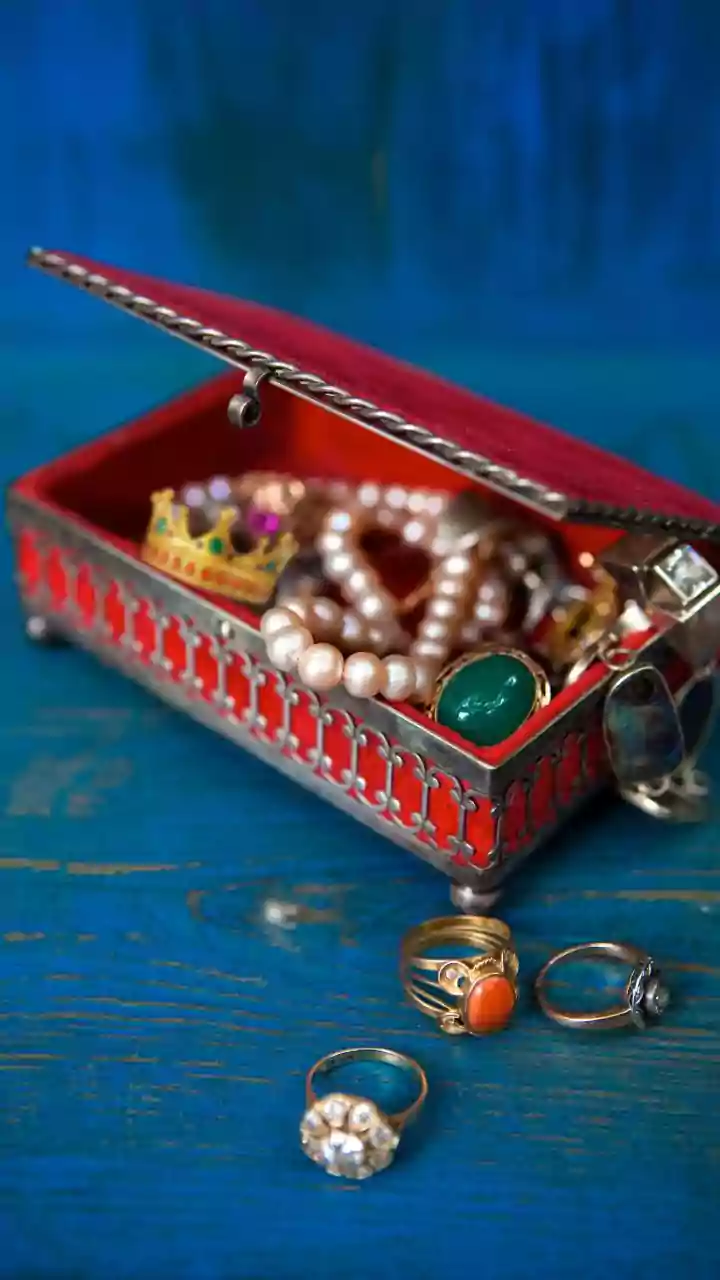
Once you know what you're looking for, the hunt begins. The most precious source is often within your own family—heirloom pieces passed down through generations. For new purchases, seek out trusted family jewellers or artisans in the region known for a particular craft. Cities like Jaipur remain the hub for Kundan and Meenakari, while Cuttack is the centre for Tarakasi. When buying, especially gold, always look for BIS (Bureau of Indian Standards) hallmarking to certify purity. For gemstone jewellery, don't hesitate to ask for a gemological report. Attending major jewellery trade fairs like the India International Jewellery Show (IIJS) can also be a great way to discover numerous manufacturers and artisans at once.
Styling Heritage for Today
Wearing traditional jewellery doesn't have to be reserved for weddings and festivals. The key to modern styling is balance. Pair a single statement piece, like a heavy Kundan necklace or Temple-style jhumkas, with a minimalist outfit like a solid-coloured dress, a crisp white shirt, or even a blazer. This contrast allows the craftsmanship of the jewellery to shine. Don't be afraid to mix and match; a stack of traditional bangles can look chic with a modern maxi dress, and elaborate chaandbalis can elevate a simple little black dress. By integrating these heritage pieces into your everyday wardrobe, you carry a piece of your history with you, making a style statement that is uniquely yours.