







Understanding the Rabi Opportunity
In India's agricultural calendar, the post-monsoon period ushers in the Rabi season, which is essentially the winter cropping window. Sowing typically begins from October to December, with harvesting taking place in the spring, around March and April.
Unlike the rain-dependent Kharif season, Rabi crops thrive in cooler temperatures and rely on the residual moisture left in the soil by the monsoon, supplemented by irrigation. For home gardeners, this period is often considered the easiest and most rewarding. The pleasant weather and moist soil create ideal conditions for a wide variety of vegetables to flourish, from leafy greens to hearty root vegetables.
Why Timing Is More Critical Than Ever
With the growing interest in cultivating fresh produce at home, the desire for a successful, bountiful harvest has also intensified. This is where precise timing becomes a game-changer. Sowing your seeds at the optimal moment does more than just give them a good start; it influences germination rates, plant strength, and the final yield. Planting too early, when temperatures are still high, can stress the plants. Planting too late might mean your crops don't have enough time to mature before the intense heat of summer returns. The beginning of the Rabi season is seen by agricultural institutions as the natural starting point for this reason, as it avoids both the summer heat and the heavy monsoon rains.
Your Ideal Sowing Window This Winter
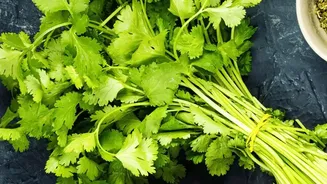
The golden rule for Rabi sowing is to begin after the monsoon fully recedes and a distinct coolness sets into the air. For most parts of India, the window between late October and November is the safest and most effective time to start. This period allows plants to establish themselves in a favourable environment. You can plan your sowing in phases. Fast-growing leafy greens like spinach, coriander (dhania), and fenugreek (methi) can be sown early in the season, often starting from late September or October. Vegetables that require a longer period to mature, such as carrots, beetroot, and cauliflower, are perfect for sowing from October through December.
Top Rabi Vegetables for Your Home Garden
The cool, sunny days of winter are perfect for a variety of delicious and easy-to-grow vegetables. For pots and containers, consider these popular choices: - Leafy Greens: Spinach (palak), fenugreek (methi), and coriander (dhania) are fast-growing, require minimal space, and can be harvested multiple times. - Root Vegetables: Carrots, radishes, and beetroots thrive in the winter. They need deep pots and loose, well-draining soil to allow their roots to develop properly. - Fruiting Vegetables: Tomatoes and peas are excellent Rabi crops. Tomato plants will need support for climbing, while bush varieties of peas are perfect for containers. - Brassicas: Cauliflower, cabbage, and broccoli are classic winter vegetables that grow well in this season. They require consistent watering and nutrient-rich soil to form healthy heads.
Start Your Preparations Now
A successful Rabi garden begins with preparation in the weeks leading up to sowing. Now, in late summer and early autumn, is the perfect time to get organised. Start by clearing out any summer plants that have finished their cycle. Enrich your soil by mixing in well-rotted compost or manure to replenish its nutrients after the monsoon. This is also the time to gather your supplies. Source good-quality seeds for the vegetables you plan to grow, and ensure you have the right-sized containers, fresh potting mix, and basic gardening tools ready to go. Planning ahead ensures that when the ideal sowing window arrives, you can act immediately without any delays.