







The Old Model vs. The New Feed
For years, digital education meant rigid, top-down platforms—think of the early Massive Open Online Courses (MOOCs). While revolutionary at the time, they often replicated the static, one-size-fits-all nature of a traditional lecture hall. [19] The COVID-19
pandemic accelerated a shift, but also exposed the limitations of forcing traditional methods into a digital format. [3] Enter 2026, and the landscape looks entirely different. The creator economy, now a market projected to surpass $480 billion by 2027, has birthed a new class of educator. [5] These individuals are leveraging platforms like TikTok, YouTube, and specialized community hubs to deliver learning not as a formal, enrolled course, but as a continuous, integrated part of their audience's daily content stream. [2]
Authenticity as the New Credential
The new creator-educators, or "EduCreators," are not defined by institutional backing but by their authenticity and niche expertise. [1, 5] They teach everything from financial literacy for third-graders via a 'classroom economy' model to advanced coding skills for professionals. [2] Their authority comes from proven experience and the ability to build trust with a community. This marks a significant departure from relying solely on academic credentials. Learners are increasingly drawn to content from those who are actively practicing the skills they teach, creating a more dynamic and relatable educational experience. The line between a content creator and an entrepreneur has blurred, with the most successful ones running multi-faceted businesses built on their personal brand. [6]
The Rise of Micro-Learning and Diversified Income
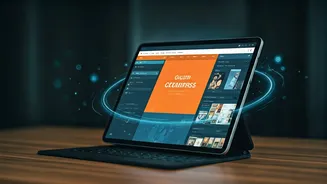
Instead of sprawling curricula, creator-educators excel at micro-learning—delivering specific, high-value knowledge in digestible formats. This could be a 60-second video on a complex scientific concept, a detailed newsletter on market trends, or an interactive workshop on a new software. [2] This model is supported by a diverse tech stack including platforms like Teachable, Kajabi, and community tools like Discord, which allow creators to monetize their expertise directly. [1, 13] Rather than relying on ad revenue alone, they build multiple income streams through memberships, digital downloads, cohort-based courses, and coaching. This diversification not only provides financial stability for the creator but also offers a tiered menu of learning options for their audience. [5]
AI as an Amplifier, Not a Replacement
In 2026, Artificial Intelligence is a standard part of the creator's toolkit, but not in the way many predicted. Instead of replacing human educators, AI has become a powerful production assistant. [8, 10] Creators use AI to handle routine tasks like video editing, transcription, content repurposing, and generating initial drafts for scripts or lesson plans. [10] This allows them to focus their energy on what truly matters: storytelling, building community, and providing the authentic, human-driven insights that audiences crave. [4] Some platforms even offer AI-driven personalization and feedback tools, making the learning experience more adaptive and effective. [12]
A Challenge to Traditional Institutions
The rise of the creator-educator presents a profound challenge to traditional education models. [16] While universities once held a monopoly on credentialing and advanced knowledge, creators are unbundling that value proposition, offering practical, just-in-time skills that are highly relevant to the modern workforce. They operate with an agility that larger institutions lack, quickly adapting their content to new trends and audience needs. As a result, hybrid models are emerging, blending the best of both worlds. [18] Traditional institutions are now looking to partner with creators or adopt their methods to stay relevant in a world where education is increasingly accessible, personalized, and community-driven. [19]