




A Major Study on Taste and Diet
Researchers have long been interested in how our individual taste preferences shape our long-term eating habits. A recent large-scale study of 9,118 Australian adults sought to explore this connection, specifically focusing on bitter foods. The study,
which analysed dietary data from the National Health and Physical Activity Survey, is one of the largest of its kind to connect sensory preference to real-world eating patterns. Scientists assigned a “bitter score” to each participant's diet to see if people who consumed more bitter foods had different dietary habits and overall diet quality. The goal was to move beyond small laboratory taste tests and understand how bitterness factors into what thousands of people eat every day.
The Bitter Link to Diet Quality
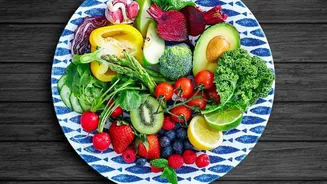
The study's core finding was intriguing: people who ate the most bitter diets also had a higher overall diet quality. When scientists measured their eating habits against the Australian dietary guidelines, those who consumed more bitter foods also consumed more vegetables, fruits, whole grains, and water. Their diets were higher in fibre and they even tended to choose low-fat dairy options more often. This suggests that a tolerance for, or enjoyment of, bitterness is a marker for a diet that is, by most nutritional standards, quite healthy. This group was eating more of the things experts tell us to eat.
Why We Taste Bitterness Differently
Our reaction to bitterness is deeply rooted in genetics and evolution. For our ancestors, a bitter taste was often a warning sign that a plant might be poisonous. This is controlled by taste receptor genes, most notably one called TAS2R38. Variations in this gene mean some people, often called “supertasters,” find foods like broccoli, grapefruit, and coffee exceptionally bitter, while “non-tasters” are barely bothered. Studies show that about 70% of people carry at least one copy of the “supertaster” gene. While this genetic trait can make some people avoid healthy bitter vegetables, the new study suggests that many who consume bitter foods are overriding this instinct, possibly because they associate those foods with health benefits or have simply acquired the taste.
The Gap Between Diet and Health
Here’s where it gets complicated, and where the headline’s mention of “without health guarantees” comes in. While a preference for bitter foods correlated with a higher quality diet, this does not automatically translate to guaranteed better health outcomes, such as a lower risk for cardiovascular disease. Nutrition is incredibly complex. A high-quality diet is just one piece of the puzzle. Other factors, such as exercise, genetics, stress levels, and sleep, play enormous roles in our long-term health. Several recent large-scale studies have reinforced that while diet quality is important for reducing health risks, it is not a simple one-to-one relationship. A person can have a “perfect” diet but still develop health problems due to factors outside of their food choices.
So, Should You Eat More Bitter Foods?
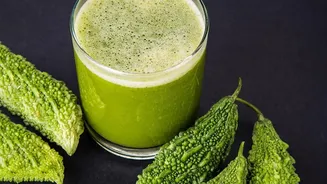
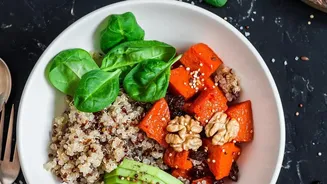
This study doesn't suggest that forcing yourself to eat bitter foods you dislike will magically grant you perfect health. Rather, it highlights a fascinating association: people with healthier dietary patterns tend to incorporate more of these foods. The practical takeaway is not to focus on bitterness itself, but on what these foods represent. The group with the highest diet quality scores ate more vegetables, fruits, and whole grains — foods that are often bitter but are also packed with fibre, vitamins, and beneficial compounds like polyphenols. The focus should remain on building a varied and balanced diet rich in minimally processed, plant-based foods. If you can learn to enjoy some of the bitter options within that framework, like kale, bitter gourd, or green tea, your diet will likely be richer for it.