
Venus: The Hostile Neighbour
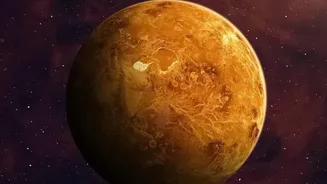
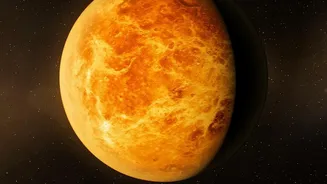
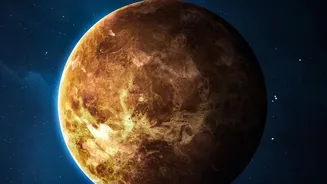
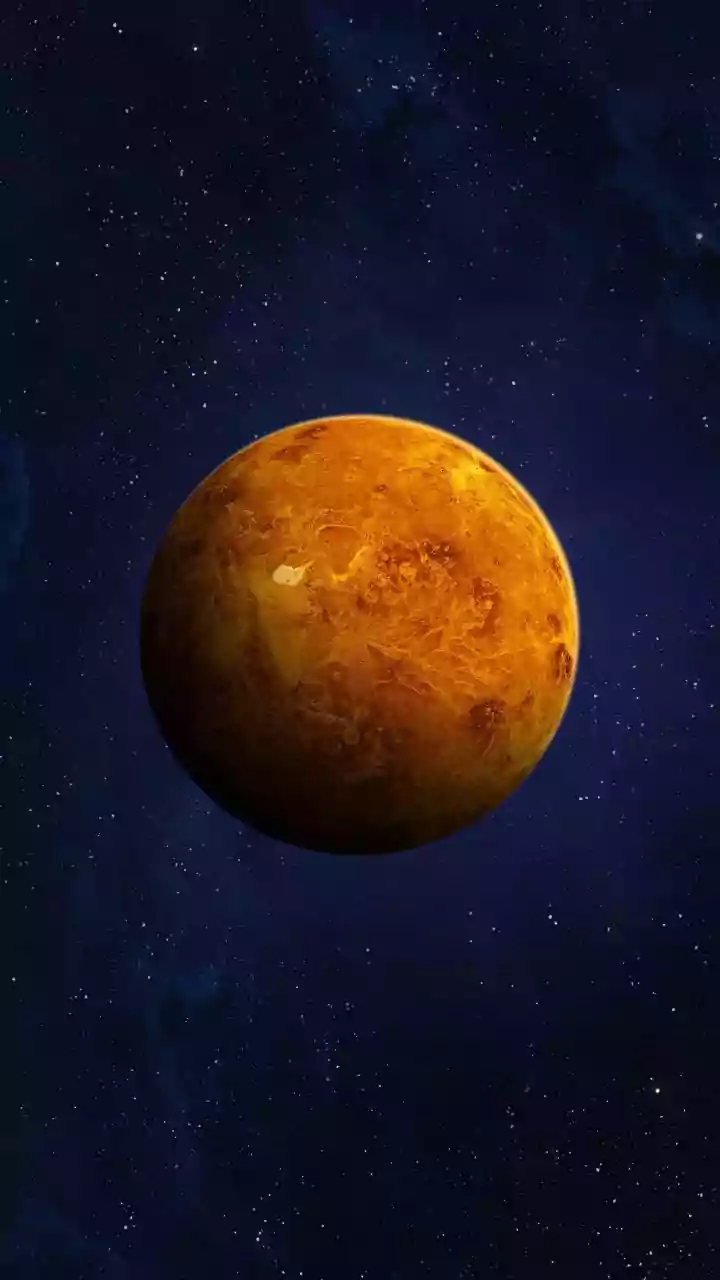
Imagine a planet roughly the same size as Earth, yet a complete nightmare. That’s Venus. Its surface temperature is hot enough to melt lead, and the atmospheric pressure is over 90 times that of Earth's at sea level, equivalent to being nearly a kilometre
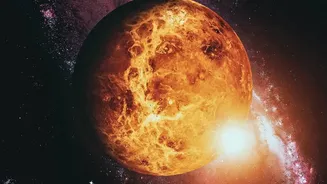
deep in our ocean. The entire world is permanently hidden by a thick blanket of sulfuric acid clouds. This extreme environment makes landing a spacecraft and having it survive for more than a few hours an incredible challenge. Previous missions have confirmed Venus is covered in volcanic features—more than any other planet in our solar system—but a critical question remains: are these volcanoes ancient relics, or is the planet still geologically alive and kicking today?
The Challenge of Peeking Below
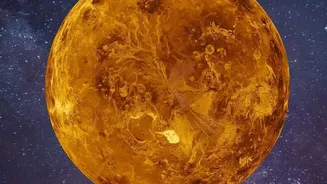
Because of the planet's dense and opaque cloud cover, traditional cameras are useless for seeing the surface from orbit. Scientists have had to rely on radar technology, which can penetrate the clouds, to map the terrain below. While radar has given us fantastic maps showing thousands of volcanic mountains and vast lava plains, these are still just static images. They show that volcanoes were active in the past, but they don't easily answer whether one erupted yesterday or a million years ago. To find evidence of current activity, you need a different strategy—one that involves looking for the clues that an eruption leaves behind.
A Detective in the Clouds
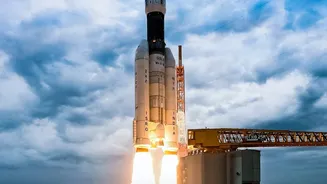
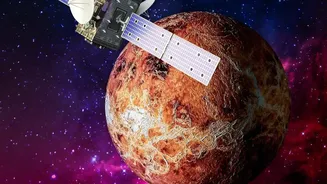
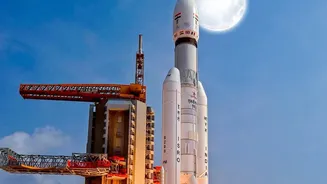
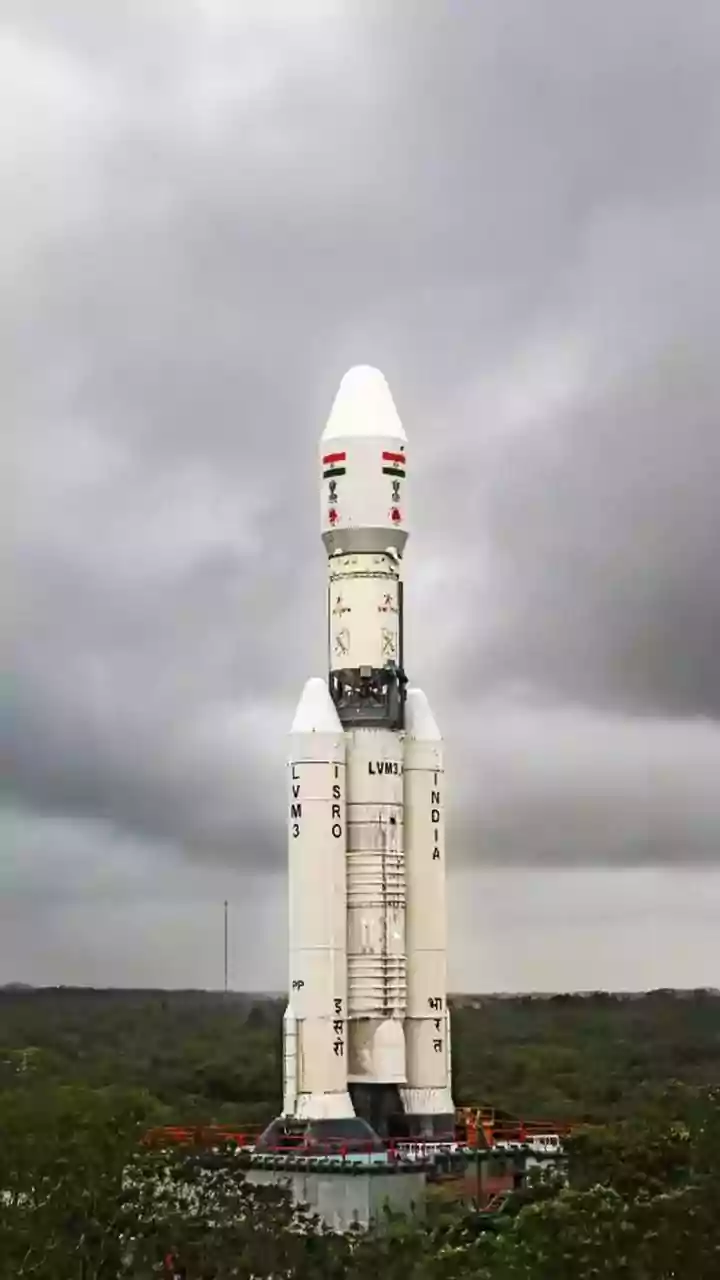
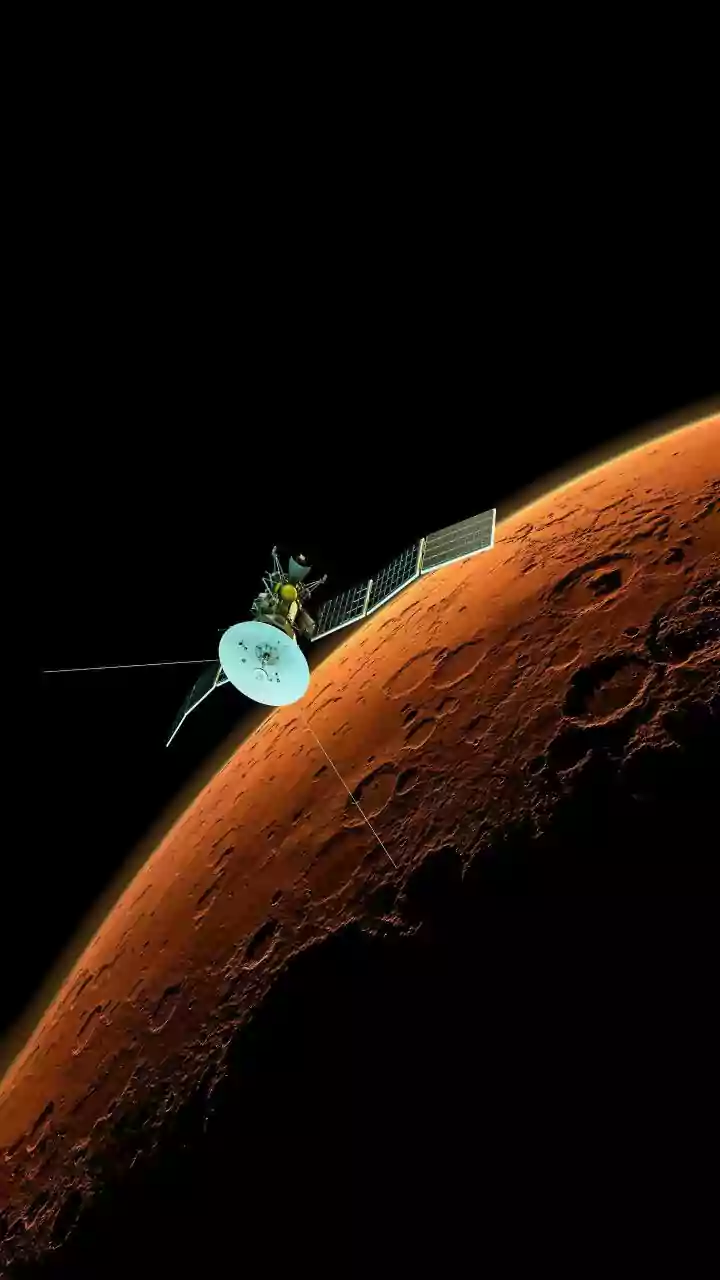
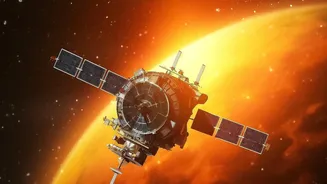
This is where ISRO's upcoming Shukrayaan-1 mission, India's first orbiter to Venus, comes in with an ingenious approach. Instead of just trying to look at the surface, a key part of the mission will be to sniff the air. The core idea is simple: active volcanoes don't just spew lava; they also blast huge amounts of gas into the atmosphere. One of the most important of these gases is sulphur dioxide (SO2). On Venus, sunlight quickly breaks down SO2 in the upper atmosphere, so it shouldn't be there for long. If an orbiting spacecraft detects a sudden spike in sulphur dioxide, it’s a strong hint that a volcano may have recently erupted, pumping a fresh supply up from below. It's like seeing smoke on the horizon—you know there's a fire, even if you can't see the flames.
ISRO's Atmospheric Toolkit
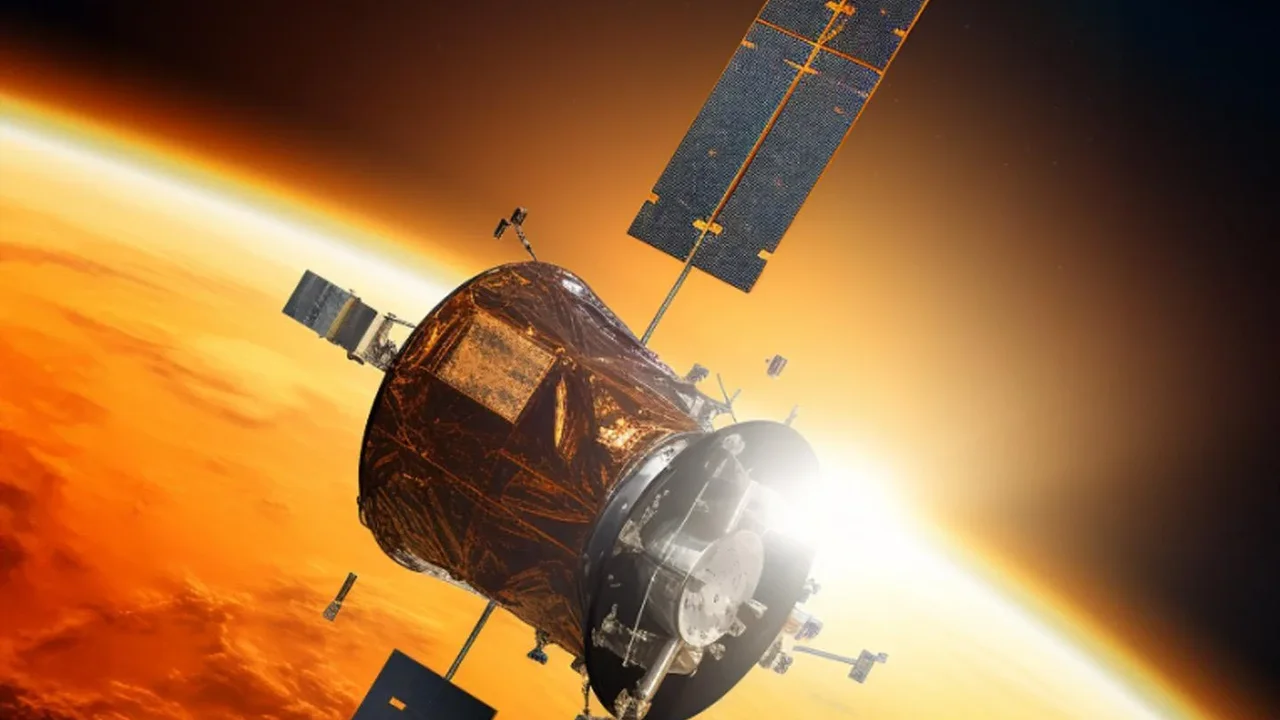
The headline's "atmospheric payload" refers to a suite of advanced Indian and international instruments aboard Shukrayaan-1 designed for this very purpose. One key instrument, the Venus Surface Emissivity and Atmospheric Mapper (VSEAM), is a spectrometer that will analyze the composition of the atmosphere to identify volcanic gases and monitor hotspots. It will be complemented by the Venus Thermal Camera (VTC), which will map temperature variations in the clouds that could indicate heat rising from an active volcanic region below. Another instrument, the Venus InfraRed Atmospheric gases Linker (VIRAL), developed in collaboration with Russia and France, will further enhance the mission's ability to analyze the specific chemical fingerprints of gases in the atmosphere.
Connecting the Dots
Shukrayaan-1 won't just be looking for these atmospheric clues in isolation. The mission will also carry a high-resolution Synthetic Aperture Radar (SAR). This powerful instrument will do the work of peering through the clouds to map the surface in detail. The mission's true strength will be in combining these two data sets. For example, if the atmospheric instruments detect a plume of sulphur dioxide in a specific region, scientists can then direct the SAR to meticulously scan that same area on the surface. They will look for any changes since the last observation—a new lava flow, a collapsed caldera, or a newly formed vent—providing the 'smoking gun' evidence that links the atmospheric signal to a specific geological event on the ground.