
Understanding The Two Techniques
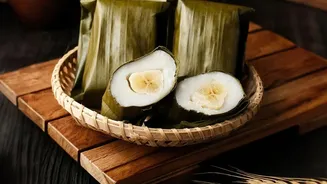
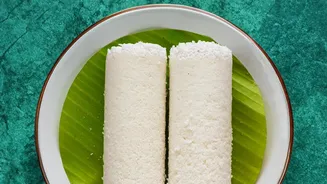
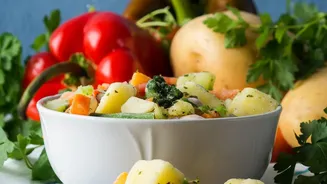
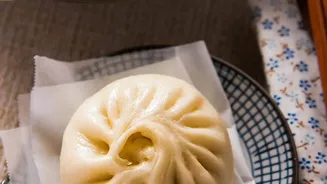
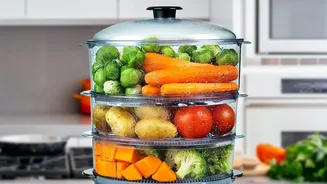
Before building your menu, it's important to understand the fundamental differences between steaming and griddling. Steaming is a gentle, moist-heat cooking method where food is cooked by the vapour from boiling water. This technique preserves the natural
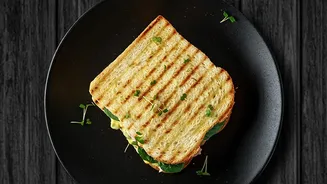
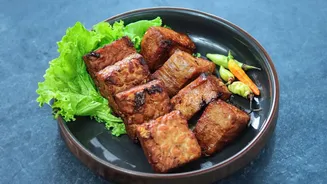
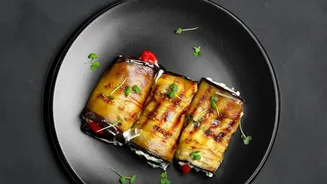
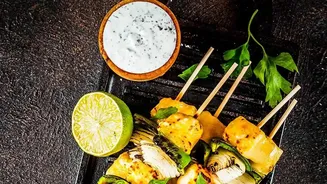
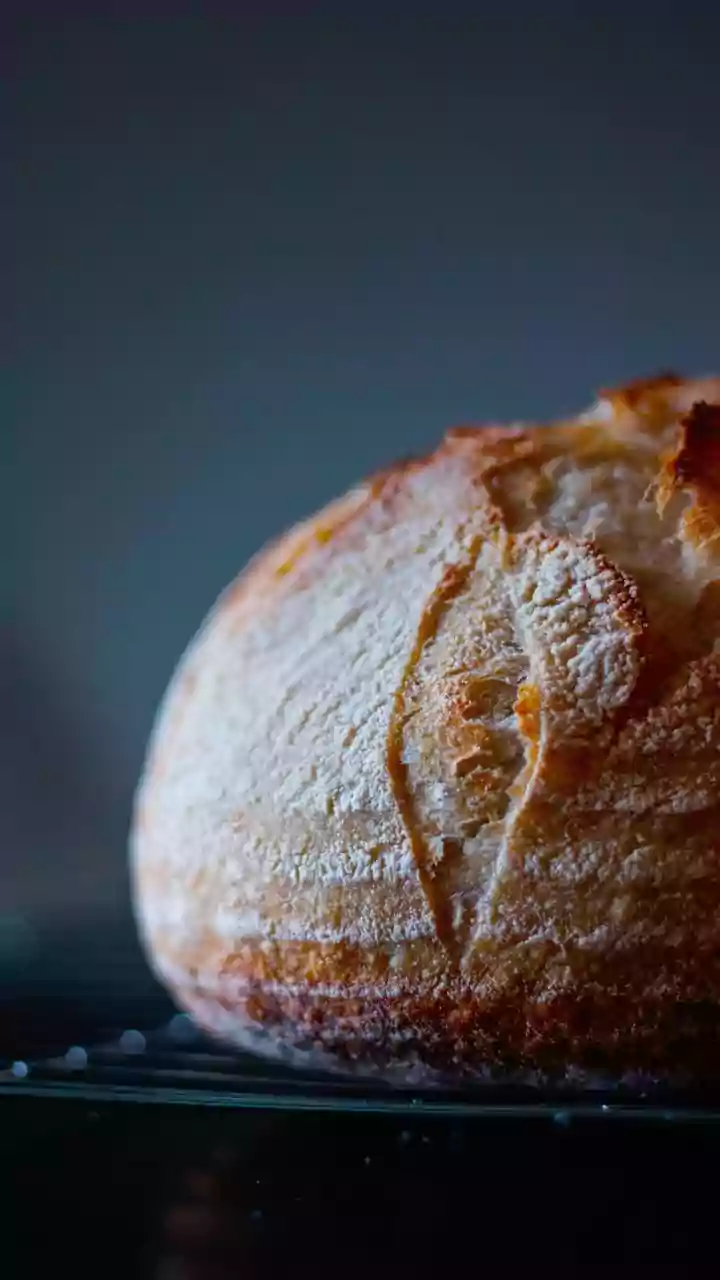
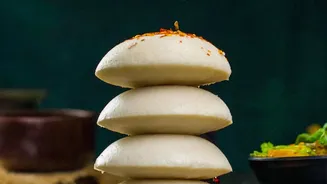
texture, flavour, and nutrients of the food, resulting in items that are soft, moist, and light. Think of fluffy idlis or delicate momos. On the other hand, griddling involves cooking on a hot, flat surface with a bit of oil or fat. This dry-heat method creates a delicious, crispy exterior and a beautiful sear, offering a robust, often smoky flavour and a satisfying crunch. This is the method that gives you perfectly golden-brown tikkis and crisp parathas.
Rule 1: Embrace the Lightness of Steam
For a rainy day, starting with steamed snacks is a fantastic idea. Because they are light and easy on the stomach, you can enjoy a variety without feeling overly full too quickly. The monsoon season is traditionally a time when steamed foods are favoured for being both comforting and healthy. Excellent choices from across India include Gujarati dhokla, which is spongy and savoury, and South Indian idlis, which are soft rice cakes perfect for dipping. Maharashtrian patra, made from colocasia leaves, and Tibetan-style momos are other brilliant options that bring warmth and delicate flavours to your spread. These items are often best when served piping hot, their steam mingling with the cool monsoon air.
Rule 2: Add Sizzle with the Griddle
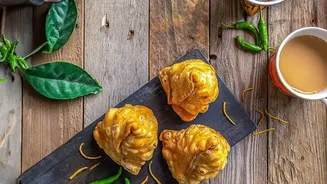
No snack platter is complete without a bit of crunch, and that's where the griddle comes in. Griddled items provide a wonderful textural contrast to their steamed counterparts. Aloo tikki, a potato patty griddled to a crisp, is a North Indian favourite that is perfect for a rainy evening. Similarly, various types of flatbreads like parathas or the thin, crispy Gujarati khakhra are made on a griddle and offer a delightful bite. Even a simple grilled cheese sandwich or a moong dal cheela (a savoury lentil pancake) cooked on a hot griddle can become the star of your snack spread, offering warmth and a satisfying, hearty flavour.
Rule 3: Create a Balanced Spread
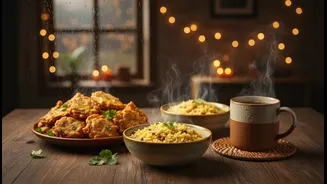
The key to a truly successful snack spread is balance. You don't want a platter that is exclusively soft and moist, nor one that is entirely crisp and fried. A good rule of thumb is to aim for a mix. For every two steamed items, consider adding one griddled item. This ensures your guests have a variety of textures and richness to choose from. Think about the journey of the palate: start with a light, steamed dhokla, move on to a heartier griddled aloo tikki, and then perhaps back to a delicate steamed momo. This variety keeps the snacking experience interesting and prevents flavour fatigue.
Rule 4: The Power of Dips and Chutneys
Dips and chutneys are not mere accompaniments; they are essential for tying the whole spread together. They can bridge the gap between steamed and griddled items and enhance their flavours. A cooling mint-yogurt dip can temper the spice of a griddled tikki, while a sharp, tangy tamarind chutney can cut through the richness. For steamed items, a fiery green chutney or a spicy schezwan sauce can add a much-needed kick. Offering a small selection of chutneys—perhaps one creamy, one spicy, and one sweet-and-sour—allows guests to customise each bite to their liking.