



Understanding the Ripening Process
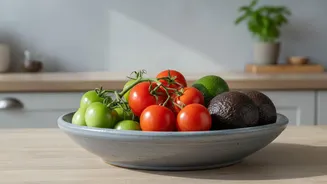
The key to a week of fresh produce lies in understanding two types of produce: climacteric and non-climacteric. Climacteric fruits continue to ripen after being picked. Think of bananas, avocados, tomatoes, peaches, and pears. These items release a natural
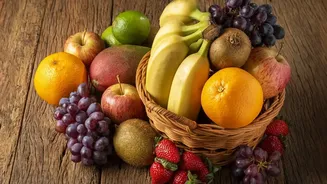
gas called ethylene, which acts as a ripening hormone. You can buy them when they're still firm and let them soften on your counter. Non-climacteric produce, on the other hand, is picked at its peak and does not ripen further. This category includes berries, citrus fruits, grapes, pineapple, and bell peppers. What you buy is what you get, so it's best to eat these sooner rather than later.
Your 'Eat First' List (Days 1-3)
Start your week by enjoying the most perishable items. This group includes most non-climacteric fruits and delicate vegetables. Prioritise leafy greens like spinach and lettuce, which can wilt quickly. Berries such as strawberries and raspberries should also be consumed early, as they are prone to moulding. Fresh herbs like basil and cilantro lose their vibrant flavour fast. Other items for your early-week meals include asparagus, green beans, mushrooms, and broccoli. If you bought a perfectly ripe avocado, use it within the first day or two before it turns.
Mid-Week Meals (Days 4-5)
By the middle of the week, you can turn to produce that has a bit more staying power or items that needed a few days to ripen on your counter. This is the perfect time for those tomatoes and avocados that were firm when you bought them. Fruits like peaches, plums, and nectarines will have softened and become juicier. Vegetables such as cucumbers, bell peppers, and zucchini hold up well for several days in the refrigerator and are great for mid-week salads, stir-fries, or side dishes. Eggplant and summer squash also fall into this category.
Lasting Through the Week (Days 6-7)
As the week winds down, you’ll be left with the most durable produce. Root vegetables are the stars here. Carrots, potatoes, sweet potatoes, and onions, when stored in a cool, dark place, can last for weeks. Cabbage is another long-lasting vegetable that remains crisp. Hard-skinned winter squash is also very durable. For fruits, apples and citrus fruits like oranges and grapefruit are your best bet for the end of the week, as they stay fresh for a long time when refrigerated.
Smart Storage for Maximum Freshness
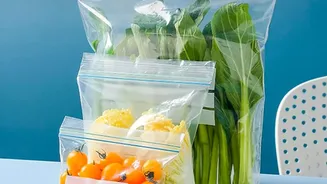
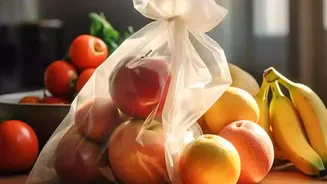
How you store your produce is just as important as when you eat it. A critical rule is to separate ethylene-producing fruits from ethylene-sensitive vegetables to prevent premature spoiling. Keep items like apples, bananas, and tomatoes away from broccoli, lettuce, and carrots. Store leafy greens and herbs in the fridge, sometimes with a paper towel to absorb moisture. Allow fruits like stone fruit and avocados to ripen on the counter, then move them to the fridge to slow down the process. Root vegetables prefer a cool, dark, and dry environment, so a pantry is often better than the fridge.