




The Desi Superfood's Modern Comeback
Long considered a humble staple in states like Bihar, Jharkhand, and Uttar Pradesh, sattu is experiencing a renaissance. Traditionally consumed as a cooling 'sharbat' or used in doughy 'litti', this powerhouse flour is now being embraced by the urban
fitness community. The reason is simple: modern wellness trends are circling back to ancient wisdom, seeking out minimally processed, nutrient-dense ingredients. Sattu, often called the 'poor man's protein', fits the bill perfectly, offering an affordable and effective alternative to expensive protein supplements. It’s a classic case of what’s old becoming new again, as health-conscious individuals rediscover the sustained energy that has fuelled Indian labourers and farmers for centuries.
A Nutritional Powerhouse Explained
So, what makes sattu so special? Made from roasted Bengal gram (chana), this flour boasts an impressive nutritional profile. It's incredibly rich in plant-based protein, with approximately 20-25 grams per 100 grams, making it ideal for muscle repair and growth. Beyond protein, sattu is packed with dietary fibre, which aids digestion, promotes gut health, and keeps you feeling full for longer. This combination of high protein and fibre also gives it a low glycemic index, meaning it releases energy slowly and helps stabilise blood sugar levels, preventing the dreaded mid-morning slump. It's also a great source of essential minerals like iron and magnesium, which combat fatigue and support overall metabolic health.
Why a High-Protein Breakfast Matters
Starting your day with a protein-rich meal is a cornerstone of modern nutrition for several reasons. A high-protein breakfast helps regulate appetite throughout the day, reducing cravings and preventing unhealthy snacking. It provides a steady, prolonged energy boost without the sharp spikes and crashes associated with high-carbohydrate meals. Studies have shown that a protein-focused first meal can support weight management, improve concentration, and help maintain muscle mass. By incorporating sattu into a morning smoothie, you are not just following a trend; you are applying proven nutritional science for better energy, focus, and satiety.
Crafting the Perfect Sattu Smoothie Bowl
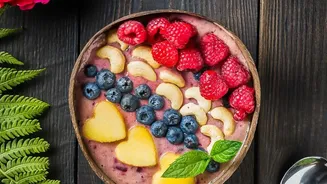
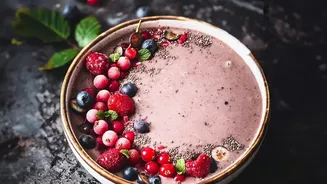
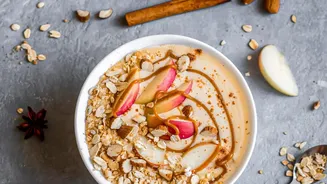
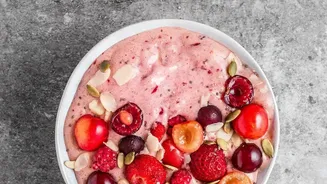
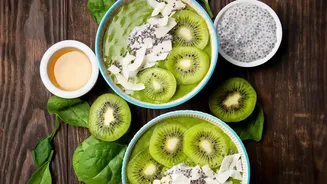
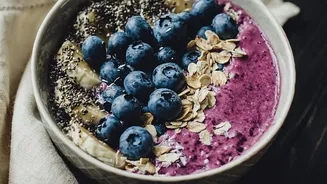
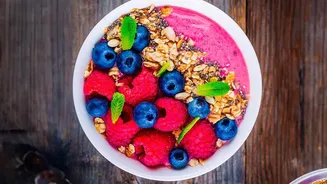
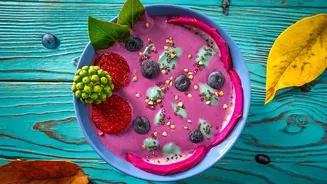
The beauty of a sattu smoothie bowl lies in its simplicity and versatility. The roasted, nutty flavour of sattu pairs well with a variety of ingredients. For a creamy base, blend sattu with yogurt, milk, or a plant-based alternative like almond milk. Fruits like banana add natural sweetness and thickness, while dates can offer a richer, caramel-like flavour. To enhance the nutritional value, consider adding a spoonful of chia seeds or flax seeds for omega-3s and extra fibre. The key to a good smoothie bowl is a thick consistency, so start with less liquid and add more as needed until you reach a scoopable texture. Unlike a drink, a bowl invites toppings, so get creative with fresh fruit, nuts, seeds, and a drizzle of honey for a satisfying crunch and visual appeal.
A Simple Recipe to Get You Started
Ready to try it for yourself? Here’s a simple, balanced recipe for a delicious and filling sattu smoothie bowl. Ingredients: - 3 to 4 tablespoons of roasted sattu flour - 1 medium banana, frozen for extra creaminess - 1/2 cup of plain yogurt or milk of your choice - 2 pitted dates, soaked in a little warm water to soften - A pinch of cinnamon or cardamom powder - Toppings: Sliced almonds, pumpkin seeds, fresh berries, or pomegranate seeds Method: 1. In a blender, combine the sattu flour, frozen banana, yogurt (or milk), soaked dates, and your chosen spice. 2. Blend on high until the mixture is completely smooth and thick. If it’s too thick, add a splash more liquid. If too thin, add another tablespoon of sattu. 3. Pour the smoothie into a bowl. 4. Garnish with your favourite toppings for added texture and nutrients. 5. Serve immediately and enjoy a breakfast that will keep you energised and satisfied until lunch.