


The Reality of Winter Access
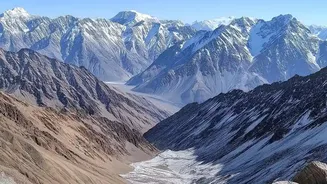
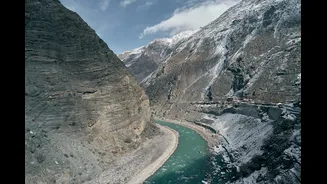
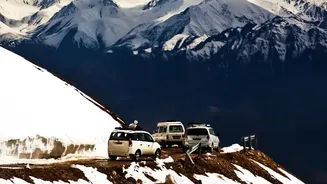
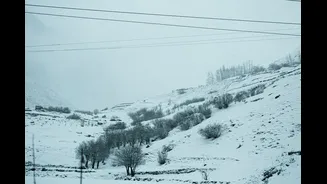
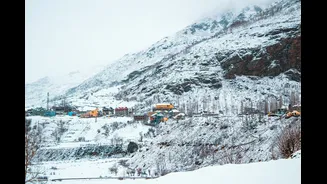
The very element that creates a winter wonderland is what makes Himalayan travel so unpredictable. Heavy snowfall, especially from December to February, frequently leads to road closures. These aren't minor inconveniences; major arteries connecting popular
tourist towns can be shut down for days. The Border Roads Organisation (BRO) works tirelessly to clear snow, but extreme weather, low temperatures, and the risk of avalanches can halt their progress. Even a 'light snow' forecast can result in treacherous conditions like black ice, which is a thin, transparent layer of ice that is nearly invisible on asphalt roads. This makes driving extremely dangerous, especially for those not accustomed to such conditions. Recent reports from early winter in October 2026 already show road closures and traffic regulations due to frost and snow in places like Lahaul-Spiti and Kashmir.
Key Corridors to Watch
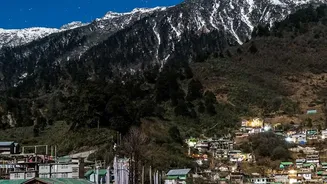
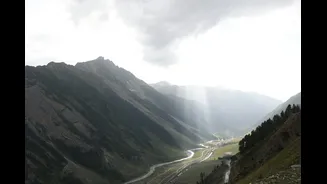
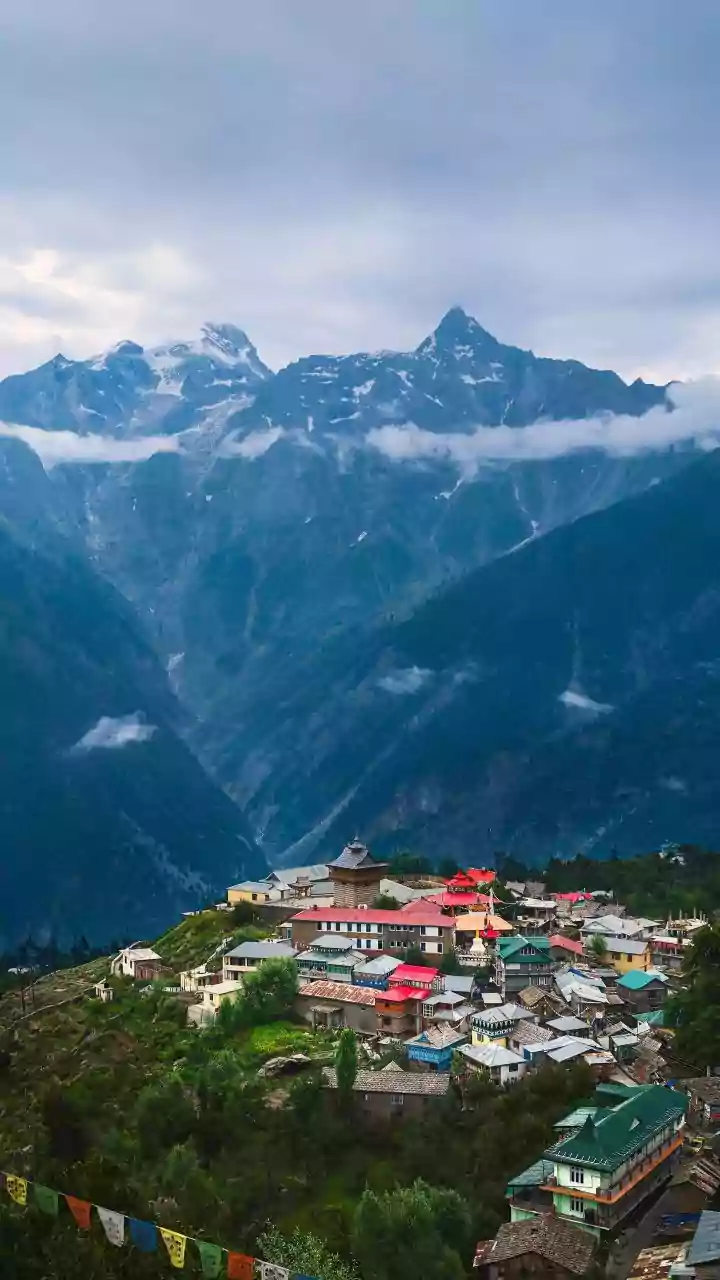
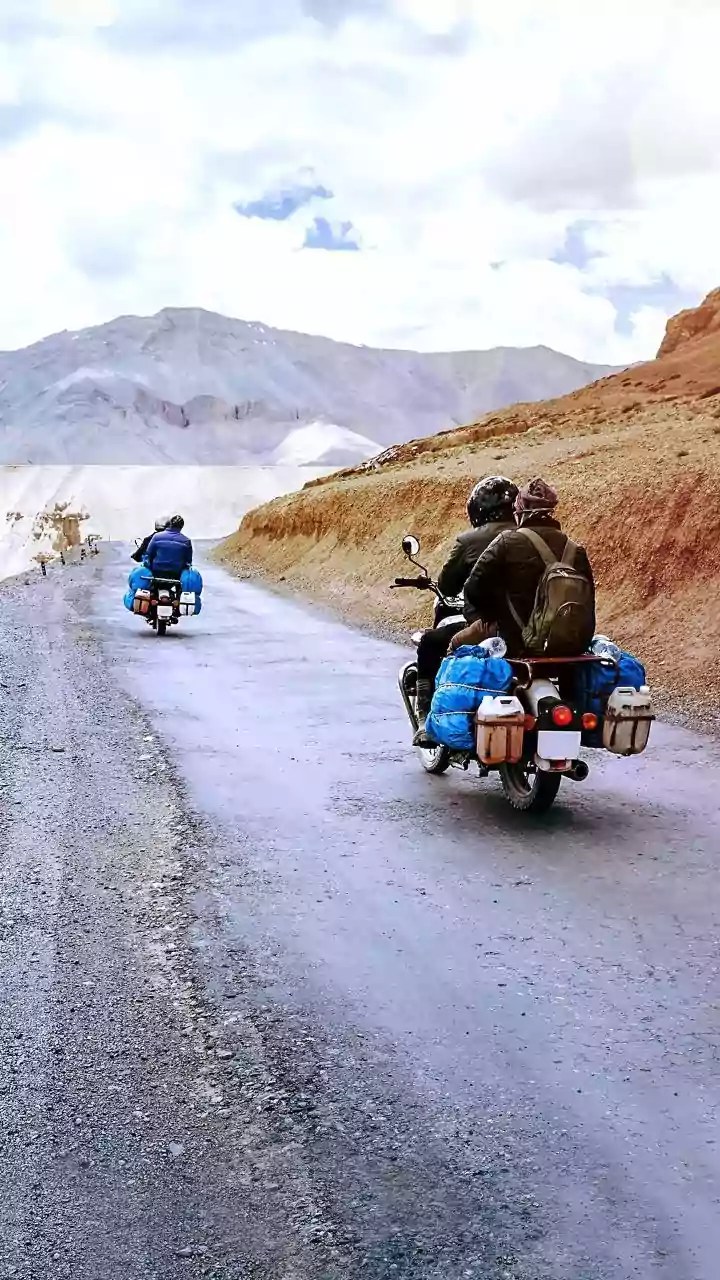
Certain routes are more susceptible to winter's grip. In Himachal Pradesh, the road to the Atal Tunnel's North Portal and beyond into Lahaul can be restricted, often limited to 4x4 vehicles only after a fresh spell of snow. While the tunnel itself has provided year-round access to the Lahaul Valley, the approach roads are the real challenge. High passes like Rohtang and Kunzum close completely, typically from mid-November. In Uttarakhand, routes to Auli, a premier skiing destination, and the Char Dham highways can become impassable. In Jammu and Kashmir, the Mughal Road connecting Shopian to Poonch is one of the first to close with the season's snowfall. Even access to popular spots like Gulmarg and Sonamarg can be temporarily cut off, disrupting travel plans.
Your Pre-Booking and Pre-Travel Checklist
Before you even click 'book,' a little research is essential. Don't rely on a single weather app. Instead, adopt a multi-source approach for a clearer picture. Start with the official websites of the India Meteorological Department (IMD) for regional centres like Shimla or Dehradun for district-level warnings. Next, check the social media pages (especially X, formerly Twitter, and Facebook) and websites of the district police for your destination, as they post real-time traffic advisories and restrictions. State and District Disaster Management Authority (SDMA/DDMA) websites are also critical sources for alerts. Finally, call your hotel or a local taxi operator a few days before your trip. They have on-the-ground knowledge that websites can't always provide. For state-level emergencies, you can dial 1070, and for district-specific control rooms, dial 1077.
Flexibility is Your Best Friend
A successful Himalayan winter trip requires a flexible mindset. Road status can change within hours. What was open in the morning could be closed by the afternoon. Build buffer days into your itinerary. If an orange alert is issued by the IMD, which means 'be prepared' for disruptions, it's wise to stay put rather than risk driving on vulnerable stretches. If your plan involves crossing high-altitude passes or driving on roads known for closures, have a Plan B. This could be an alternative destination or simply enjoying the place you're already in for an extra day or two. Don't try to force a rigid schedule against the will of the mountains; it's a battle you won't win.
Preparing for the 'What If'
Even with the best planning, you might get caught in a roadblock. Being prepared can make the difference between a minor delay and a serious problem. If driving your own vehicle, ensure it's serviced and consider if snow chains are necessary—police often make them mandatory during heavy snow. For any road trip, carry an emergency kit: extra blankets, a powerful torch, a fully charged power bank, and a supply of non-perishable food and water. This is particularly important when travelling with children or elderly family members. Hiring a local driver with experience in winter conditions is often the safest and most stress-free option. They are skilled at navigating icy patches and are connected to local networks for the latest updates.