





The Problem with Plastic in the Heat
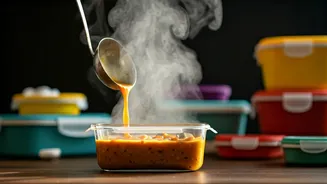
Plastic containers are convenient, lightweight, and everywhere. However, their convenience can come at a cost, especially in a hot climate. When plastic is exposed to heat—whether from hot food being placed inside it, being left in a warm car, or even
being microwaved—it can increase the leaching of harmful chemicals into your food. Two of the primary culprits are Bisphenol A (BPA) and phthalates. These chemicals are known as endocrine disruptors, meaning they can interfere with the body's hormonal systems. Studies have linked exposure to these chemicals to a range of health problems. Even plastics labelled "BPA-free" are not automatically safe, as they may contain other chemical substitutes that have not been thoroughly tested for long-term health effects.
Glass: The Gold Standard for Safety
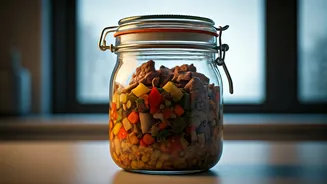
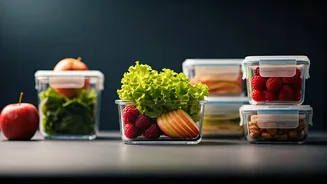
For health-conscious households, glass containers are an excellent choice. Glass is chemically inert, meaning it does not react with food and won't leach any substances, even when heated. You can confidently store anything from hot curries to acidic tomato-based dishes without worrying about contamination. High-quality borosilicate glass is particularly recommended as it is resistant to thermal shock, meaning it can handle significant temperature changes without cracking. While glass has downsides—it's heavier and more fragile than plastic—its safety profile is unmatched. When choosing glass containers, look for those with well-fitting, BPA-free lids to ensure freshness and prevent spills.
Stainless Steel: A Durable and Lightweight Option
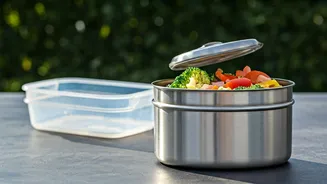
Stainless steel is another fantastic, safe alternative to plastic. It is non-toxic and doesn't leach chemicals, making it a reliable choice for food storage. Stainless steel containers are significantly more durable than both plastic and glass, as they won't crack, shatter, or warp. They are also lightweight, which makes them perfect for packing tiffins for work or school. The main drawbacks are that you cannot see the contents inside, and most importantly, you cannot use stainless steel in a microwave. However, many high-quality stainless steel containers are oven-safe, offering flexibility for reheating food. For storing acidic foods for long periods, glass may still be a slightly better option to avoid any potential metallic taste.
What About Food-Grade Silicone?
Food-grade silicone has emerged as a popular modern alternative, often used for baking mats, flexible ice trays, and even collapsible containers. Certified food-grade silicone is generally considered safe for food contact and is highly heat-resistant, able to withstand temperatures well above boiling without leaching harmful chemicals. It is more durable and a safer choice than plastic. When shopping for silicone products, it's crucial to look for those certified as 'food-grade' by reputable bodies like the FDA. Lower-quality or non-certified silicone might not share the same safety profile. While it's a great material, for the ultimate peace of mind in high heat, glass and stainless steel remain the top choices.
Practical Tips for Hot Weather Food Safety
Beyond choosing the right container, handling food correctly in the heat is vital. Never leave perishable food out for more than two hours; if the temperature is high, that window shrinks to just one hour. When packing food to go, use a cooler with ice packs to keep items cold. It's also wise to allow very hot food to cool down slightly before sealing it in any container to prevent condensation and pressure build-up, which can affect food quality. Finally, discard any plastic containers that are scratched, cracked, or stained, as damage can increase the likelihood of chemical leaching.