








What Exactly Are These Patches?
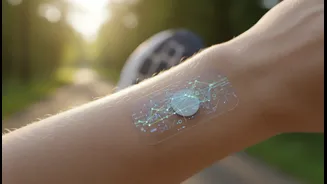
A continuous glucose monitor, or CGM, is a small, wearable device that tracks your glucose levels 24/7. It consists of a tiny sensor filament inserted just under the skin of your upper arm or belly, which measures the glucose in the fluid between your cells
(interstitial fluid). This provides a close proxy for your blood sugar levels without the need for constant finger pricks. The sensor then transmits this data wirelessly to a smartphone app, giving you a real-time graph of how your body's glucose responds to everything you do—from eating and exercising to sleeping and stress.
From Medical Device to Wellness Tool
Originally developed to help people with Type 1 and Type 2 diabetes manage their condition, CGMs are powerful medical tools. However, a growing number of people without diabetes are now using them for general wellness. Companies in India like Ultrahuman and HealthifyMe are offering programs that pair CGM patches with apps and coaching, targeting health-conscious consumers, biohackers, and fitness enthusiasts who want to optimize their metabolic health. The goal is no longer just about avoiding dangerously high or low blood sugar, but about fine-tuning diet and lifestyle to improve energy, focus, and overall well-being.
Your Food, Your Unique Response
The key appeal of CGM for wellness is its ability to reveal highly personalised insights. You may think a banana is a healthy snack, but for your body, it might cause a significant glucose spike, leading to a subsequent energy crash. For someone else, it might have a minimal effect. Research and user data show that glycemic responses to the same food can vary dramatically between individuals. By tracking your data, you can see exactly how your body reacts to a plate of rajma chawal versus a dosa. This allows you to make informed dietary swaps, like adding more protein or fibre to a meal to flatten the glucose curve, preventing those post-lunch slumps and cravings.
What Can the Data Truly Reveal?
Using a CGM can help you connect the dots between your habits and how you feel. Users often discover hidden sugars in supposedly "healthy" foods like packaged soups or non-dairy milks. By keeping glucose levels more stable, many report benefits like sustained energy throughout the day, improved mood, better sleep quality, and more effective workouts. For example, you can see how a late-night meal affects your sleep-time glucose levels or how a brisk walk after dinner helps bring your levels down. It transforms abstract health advice into a concrete, personal feedback loop.
Considerations and Caveats
While the insights are powerful, this technology isn't without its downsides. In India, the cost can be a significant barrier, with sensors needing replacement every 14 days and program subscriptions adding up. There's also the risk of developing data overload or food-related anxiety, where normal glucose fluctuations are misinterpreted as problems. Experts caution that while research on the benefits for people with diabetes is strong, more studies are needed to prove long-term benefits for healthy individuals. A CGM is just one piece of the health puzzle and should be used as a tool for learning, not a source of stress.