






Why October Is a Turning Point
The transition from monsoon to winter is a key reason for the sharp decline in air quality. During winter, cooler, denser air traps pollutants closer to the ground, a phenomenon known as temperature inversion. This prevents pollutants from dispersing,
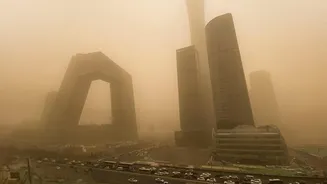
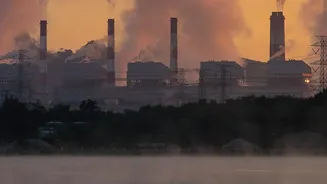
leading to their accumulation in the air we breathe. This meteorological shift coincides with two major man-made events: the beginning of stubble burning season in agricultural states like Punjab and Haryana, and emissions from the festive season, including Diwali fireworks. The combination of slow winds, trapped local emissions from traffic and industry, and smoke drifting from farm fires creates a perfect storm for hazardous air quality, particularly in North India. Studies have shown that stubble burning alone can increase PM2.5 concentrations by 50-75% between October and November.
The Pollutants to Watch: PM2.5 and PM10
The most talked-about pollutants during this season are PM2.5 and PM10. These are fine particulate matter, tiny enough to be inhaled deep into our respiratory systems. PM10, with a diameter of 10 micrometres or less, can irritate the upper respiratory tract. However, the real danger lies with PM2.5 — particles that are 2.5 micrometres or smaller. These can penetrate deep into the lungs and even enter the bloodstream. Short-term exposure to high levels of PM2.5 is linked to increased hospital admissions for heart and lung issues, asthma attacks, and bronchitis, particularly affecting children and the elderly. Long-term exposure is associated with premature death from cardiovascular and respiratory diseases, as well as lung cancer.
How to Monitor Your Local Air Quality
Staying informed is the first step to staying safe. The Air Quality Index, or AQI, is a simple tool to understand how polluted the air is. The scale runs from 'Good' (0-50) to 'Severe' (401-500). As levels cross into 'Poor' (201-300) and 'Very Poor' (301-400), it's a signal to take immediate precautions. You can check the real-time AQI for your city on government websites like the Central Pollution Control Board (CPCB) or use reliable apps like IQAir. This allows you to make informed decisions, such as whether it's safe for children to play outdoors or for you to go on your morning walk.
Simple Steps to Protect Your Home
Your home should be a safe haven from outside pollution. The first line of defence is to prevent polluted air from entering. Seal any gaps or cracks around windows and doors using weatherstripping tape or caulk. Even a rolled-up towel at the base of a door can make a difference. While ventilation is important, be strategic. Open windows only during the part of the day when the AQI is lowest, which is often in the early afternoon. For those who can, investing in an air purifier with a High-Efficiency Particulate Air (HEPA) filter is highly effective. These devices are designed to trap tiny PM2.5 particles, significantly improving indoor air quality. Place them in frequently used rooms, especially bedrooms. Also, ensure you regularly clean or replace the filters in air conditioners and purifiers to maintain their effectiveness.
Safeguarding Your Family’s Health
Beyond fortifying your home, there are personal measures every family member can take. On days with 'Poor' or 'Very Poor' air quality, limit strenuous outdoor activities. If you must go out, wearing a well-fitted N95 or N99 mask can provide a strong barrier against inhaling fine particles. Indoors, certain lifestyle habits can help. Using an exhaust fan in the kitchen while cooking can help remove indoor pollutants. Avoid using incense sticks or scented candles, as they can release additional harmful compounds into the air. Introducing air-purifying indoor plants like Snake Plants and Areca Palms can also offer a natural, complementary way to improve air quality. Maintaining a healthy diet rich in antioxidants and staying well-hydrated can also help support your body’s defences against the harmful effects of pollution.