


What Exactly Is Moringa?
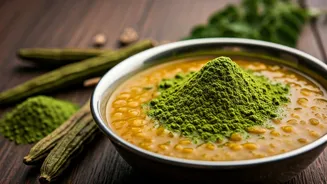
Before you start sprinkling this green powder into your dal, let's talk about what it is. Moringa oleifera, often called the 'drumstick tree' in India, is a plant that has been a part of traditional medicine and cuisine for centuries. Every part of the tree—from
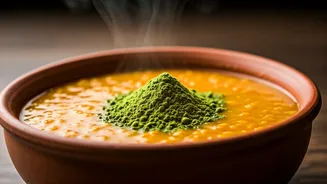
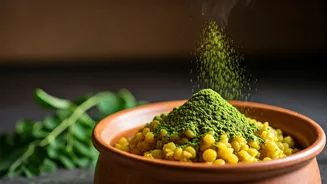
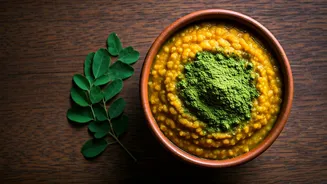
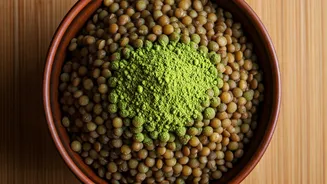
its leaves and pods (the drumsticks in your sambar) to its seeds and flowers—is edible and has been used for its nutritional properties. The vibrant green powder that's gaining global popularity is made from dried and ground moringa leaves, concentrating its impressive nutrient profile into a form that’s easy to add to meals.
A True Nutritional Powerhouse
The reason moringa has earned 'superfood' status is its dense nutritional content. Plant-based nutritionists champion it as an easy, plant-derived way to boost several key nutrients. Gram for gram, moringa leaves contain a surprising amount of goodness. They are a rich source of vitamins A, C, and B6. The powder is also packed with minerals like iron, magnesium, and potassium. Furthermore, it’s a rare plant-based source of complete protein, containing all nine essential amino acids. Its vibrant green colour hints at its high concentration of antioxidants, such as quercetin and chlorogenic acid, which help combat oxidative stress in the body. For those on a vegetarian or vegan diet, it can be a particularly useful supplement to ensure a broad intake of micronutrients.
Why Curries Are the Perfect Vehicle
So, why curries? The suggestion is both practical and culinary. Moringa powder has a distinct flavour—earthy, grassy, and slightly bitter, similar to matcha or spinach. On its own, it can be overpowering. However, the complex, robust, and aromatic spices in a typical Indian curry provide the perfect camouflage. The strong notes of turmeric, cumin, coriander, and garam masala can easily embrace the earthy taste of moringa, allowing you to get the nutritional benefits without sacrificing the flavour of your dish. Additionally, many curries have a base of healthy fats from coconut milk, nuts, or oil. Some vitamins in moringa, like Vitamin A, are fat-soluble, meaning they are better absorbed by the body when consumed with fat. This makes a creamy curry an ideal pairing.
How to Use It Right
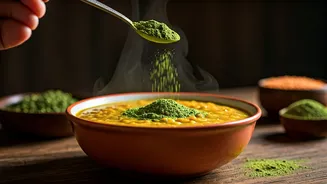
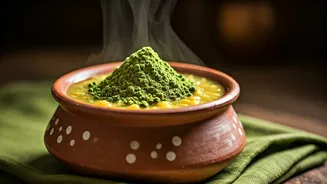
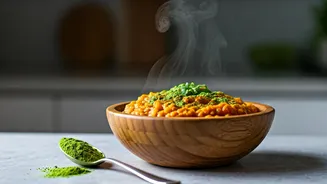
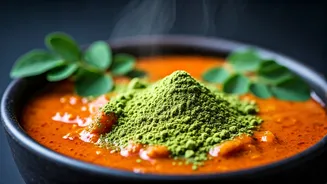
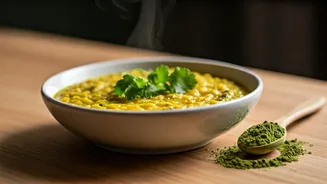
Incorporating moringa is simple, but a few tips will ensure you get it right. First, start small. A little goes a long way. Begin with just half a teaspoon to one teaspoon for a dish that serves 3-4 people. You can gradually increase the amount as you get used to the taste. Second, timing is everything. To preserve its delicate nutrients, especially Vitamin C, it’s best to add moringa powder at the very end of the cooking process. High heat can degrade some of its beneficial compounds. Simply stir it into your curry, dal, or sambar just before you turn off the heat and let the residual warmth incorporate it. It works particularly well in lentil-based dishes like dal makhani, spinach-based curries like palak paneer, and coconut-based stews.
A Few Things to Keep in Mind
While moringa is generally safe for most people, it’s important to be a savvy consumer. Always purchase moringa powder from a reputable brand that tests for heavy metals and contaminants, as soil quality can affect the final product. Due to its potent nature, some people may experience mild digestive upset if they consume too much too soon. It's also advised that pregnant or breastfeeding women, and those on medication for thyroid issues, blood pressure, or diabetes, should consult their doctor before adding it to their diet, as it can have effects on blood sugar and blood pressure.