




What Exactly is a Low-Intensity Workout?
Low-intensity steady-state (LISS) exercise is any form of cardio that you maintain at a consistent, manageable pace for an extended period, typically 30 to 60 minutes. Think of activities where you can still hold a conversation without gasping for breath.
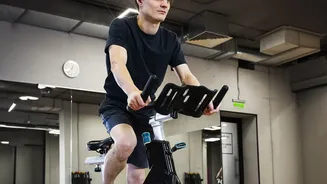
Your heart rate stays in a comfortable zone, around 60-70% of its maximum. This is the opposite of High-Intensity Interval Training (HIIT), which involves short, all-out bursts of effort followed by rest. Common examples of LISS include brisk walking, leisurely cycling, swimming, or using an elliptical machine at a steady speed. The goal isn't to push yourself to the limit, but to keep your body moving.
A Safer Way to Strengthen Your Body
One of the biggest advantages of low-impact, low-intensity exercise is its kindness to your joints. For office workers who spend hours sitting, muscles can become tight and posture can suffer, increasing the risk of strain when you finally do get active. High-impact activities like running can put significant stress on knees, hips, and ankles. LISS, however, minimizes this jarring force. By choosing activities like walking or swimming, you can strengthen supporting muscles and improve blood circulation to connective tissues, which helps lubricate joints and enhance flexibility. This controlled, gentle movement builds a resilient foundation, reducing the likelihood of the sprains and strains that can derail a fitness routine.
The Ultimate antidote for Burnout
Chronic workplace stress keeps your body in a 'fight or flight' mode, flooded with hormones like cortisol. While intense exercise can also be a stressor on the body, low-intensity workouts have the opposite effect. Gentle, rhythmic activities like walking or yoga can have a meditative quality, helping to calm the nervous system and quiet racing thoughts. This type of movement boosts the production of endorphins, your brain's natural mood elevators, without over-stimulating an already fatigued system. Over time, regular LISS can help lower your baseline cortisol levels, making you more resilient to daily pressures and improving sleep quality, which is crucial for mental recovery.
Breaking Up the Sedentary Day
Perhaps the most significant benefit for office workers is how effectively LISS counteracts the harm of prolonged sitting. A desk job can blunt your body's metabolic response and lead to an afternoon energy slump. A short, brisk walk during your lunch break does more than just burn a few calories; it interrupts this sedentary pattern, boosts blood flow to the brain, and improves focus for the rest of the day. This kind of 'active recovery' helps reset your posture, loosens tight hip flexors, and provides a sustainable energy lift that another cup of coffee simply can't match. Because it's easy to recover from, you can do it daily without feeling drained.
Making It Work With a Busy Schedule
The beauty of low-intensity exercise is its accessibility. You don't need a gym membership or fancy equipment. The key is to find activities you genuinely enjoy and weave them into your existing routine. Aim for 30 minutes most days of the week, but even 10-minute blocks can make a difference. Consider taking a walk during phone calls, using the stairs instead of the lift, or getting off the bus one stop early. A weekend hike, a family bike ride, or a gentle yoga session before bed are all effective ways to stay active. The best workout is the one you actually do, and the sustainable nature of LISS makes it the perfect long-term strategy for busy professionals.