






The Science of Sweat
That feeling of fatigue after spending time in the sweltering post-monsoon sun isn't just in your head. When your body heats up, it sweats to cool down. But sweat isn't just water. It’s a complex fluid that carries away essential minerals known as electrolytes.
The main electrolytes lost are sodium, chloride, potassium, magnesium, and calcium. These minerals are crucial for just about everything your body does, from regulating nerve and muscle function to maintaining proper fluid balance and blood pressure. When these levels drop too low from heavy sweating, you can experience muscle cramps, weakness, dizziness, and that all-too-familiar feeling of being completely wiped out.
Coconut Water's Mineral-Rich Profile
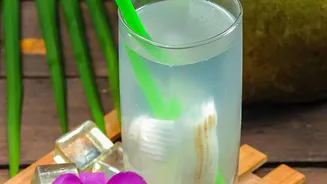
This is where coconut water, or 'nariyal pani', enters the picture. Often called 'nature's sports drink', it's the clear liquid found inside young, green coconuts. What makes it special is its natural composition of electrolytes. A single glass is packed with vital minerals, but its standout nutrient is potassium. An average 240ml serving can contain between 470mg and 600mg of potassium, which is often more than you'd find in a banana. It also provides smaller, yet still useful, amounts of sodium, magnesium, and calcium, making it a well-rounded natural hydrator.
Potassium: The Unsung Hero of Hydration
While sodium gets a lot of attention in sports science, potassium is the unsung hero of daily hydration and muscle function. It plays a critical role inside your cells, working with sodium to manage fluid balance and enabling nerve signals that tell your muscles to contract. Without enough potassium, you might experience muscle fatigue and cramping. Since sweat does deplete your potassium reserves, a drink that is naturally rich in this mineral can be particularly effective for recovery after moderate activity in the heat. The high potassium content in coconut water helps restore this crucial balance efficiently.
How It Stacks Up Against Other Drinks
So, should you ditch water and sports drinks entirely? Not necessarily. Each drink has its place. Plain water is perfect for general, everyday hydration when you're not sweating heavily. Commercial sports drinks are scientifically formulated for endurance athletes undergoing intense, prolonged exercise. They contain high levels of sodium and carbohydrates (sugar) to rapidly replace what's lost during extreme exertion. However, for moderate sweating from a brisk walk, a light workout, or simply being out in the October heat, the high sugar and sodium in a sports drink may be unnecessary. Coconut water fits perfectly in this middle ground. It provides natural sugars for a bit of energy and a significant dose of electrolytes—especially potassium—without the artificial ingredients and high sugar load of many commercial options.
A Natural Choice With a Caveat
Numerous studies show that coconut water is effective for rehydration after moderate exercise, performing similarly to commercial sports drinks in restoring fluid balance. However, it’s important to understand its main limitation: sodium. The body loses significantly more sodium than potassium through sweat. Coconut water is naturally low in sodium. So, if you're an endurance athlete or someone engaged in several hours of intense, sweat-drenching activity, coconut water alone might not be enough to replace the significant sodium losses. But for most people looking to rehydrate after an hour at the gym or a day spent in the heat, its profile is more than adequate.