





The Rush Hour Reality
One of the biggest drivers of this change is the relentless pace of modern urban life. With long commutes and demanding work schedules, the time once dedicated to preparing elaborate morning meals has shrunk. This has fueled a massive demand for convenience.
The Indian market for ready-to-eat (RTE) foods, including breakfast items, is growing rapidly as working professionals, students, and double-income households seek out quick and easy options. Brands have responded by offering everything from flavored oats that cater to the Indian palate to instant mixes for traditional dishes like poha and upma, bridging the gap between convenience and familiar taste.
A New Focus on Health
Alongside the need for speed is a powerful wave of health consciousness sweeping across the nation. Consumers are increasingly scrutinizing what they eat, looking for meals that are not just filling but also nutritious. This has led many to move away from traditionally high-fat or high-sugar options towards breakfasts rich in protein, fiber, and vitamins. Foods like muesli, oatmeal, smoothies, and fortified cereals are becoming staples. There is also a renewed interest in traditional Indian superfoods. Ancient grains like millets (ragi, jowar, bajra) are making a major comeback, but in modern, convenient forms like millet-based pancakes, dosas, and porridges. This trend shows a desire for wellness that is both globally informed and rooted in local wisdom.
The Influence of a Connected World
Increased exposure to global cultures through travel, media, and the internet has significantly broadened India's culinary horizons. The younger, urban population is more experimental than ever before, eager to try international food trends they see online. This curiosity has paved the way for Western breakfast items like pancakes, smoothie bowls, and acai bowls to find a place on Indian cafe menus and home breakfast tables. What once might have been a vacation treat is now a potential weekday breakfast. This adoption isn't just about mimicking the West; it reflects a new, confident Indian consumer who enjoys global flavors while still cherishing local ones.
Tradition Isn't Disappearing, It's Adapting
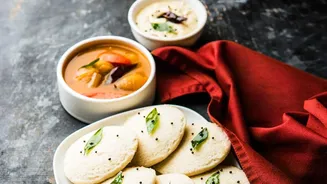
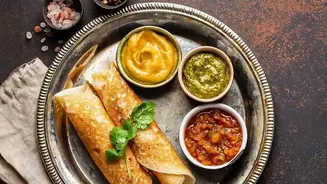
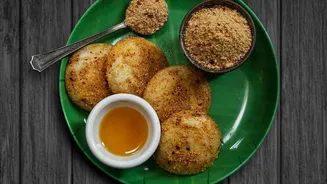
It's important to note that this diversification is not an erasure of tradition, but an expansion of the breakfast menu. Idli, dosa, and poha remain incredibly popular, consistently topping the charts for breakfast orders on food delivery apps. However, even these classics are evolving. We now see innovations like quinoa idlis, millet dosas, and ready-to-cook batters that offer a healthier or more convenient take on beloved dishes. Brands are also creating instant versions of regional favorites, making a Gujarati dhokla or a Maharashtrian sabudana khichdi accessible to someone in a different part of the country with minimal effort. This reflects a fusion of old and new, where the comfort of tradition meets the demands of a modern lifestyle.