








The Science of a Good Batter
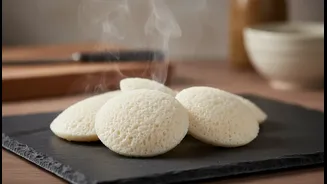
At its heart, a fluffy idli or a crispy dosa begins with fermentation. When you grind rice and lentils into a batter and leave it to rest, you are inviting a community of invisible chefs—natural yeasts and bacteria—to work their magic. These microorganisms,
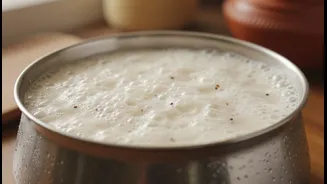
primarily lactic acid bacteria and yeasts, feast on the carbohydrates present in the batter. As they consume these sugars, they produce two key byproducts: lactic acid, which gives the batter its characteristic tangy flavour, and carbon dioxide (CO2) gas. This CO2 gets trapped within the sticky, viscous batter, creating thousands of tiny gas bubbles. These bubbles are what cause the batter to rise, making it light and airy and giving your final dish its soft, porous texture. Think of it as a natural leavening process, essential for achieving that perfect restaurant-style result at home.
Why Rainy Weeks Create Chaos
The main culprits behind monsoon-related batter explosions are temperature and humidity. The microorganisms responsible for fermentation thrive in warm and moist conditions. The ideal temperature for fermenting dosa batter is typically between 28°C and 32°C. During rainy seasons, the ambient temperature often falls within this perfect range, while the humidity in the air skyrockets. High humidity keeps the batter from drying out on the surface, making it even easier for the yeast and bacteria to remain active and multiply rapidly. This creates a perfect storm where the fermentation process, which might take 8-12 hours in drier weather, goes into hyperdrive, sometimes completing in just a few hours. This accelerated activity means a much faster and greater production of CO2 gas.
The Pressure Cooker Effect
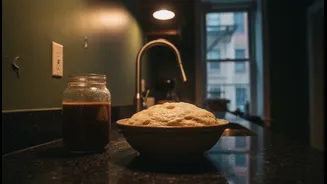
The overflow itself is a simple matter of physics. You have an accelerated fermentation process producing a large volume of CO2 gas in a short amount of time. If the batter is stored in a container with a tightly sealed lid, this gas has nowhere to escape. Pressure begins to build inside the container. As more gas is produced, the pressure increases exponentially, pushing against the lid and the expanding batter. Eventually, the force becomes too great for the lid to contain. It will either pop open suddenly or be pushed up, allowing the bubbly, expanded batter to spill out and create a significant mess in your kitchen or refrigerator. The same principle is why commercial batter packets sometimes bulge on store shelves; fermentation is still happening inside the sealed pouch.
How to Prevent a Batter Disaster
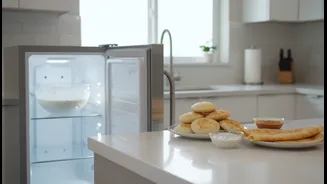
Fortunately, you can easily manage your batter even during the most humid weeks with a few adjustments. First, give your batter space to grow. Always choose a container that is at least twice the volume of the batter, leaving 40-50% of the container empty. Second, do not seal the container tightly. Cover it loosely with a lid or a plate to allow the excess CO2 gas to escape. Third, be mindful of time. In warm, humid weather, your batter will ferment much faster, so check it earlier than you normally would. Once it has risen sufficiently, put it straight into the refrigerator. The cold temperature will dramatically slow down the fermentation process, preventing it from over-fermenting and becoming too sour. Some home cooks also find that using slightly less water for a thicker batter helps during damp weather, as the flour can absorb extra moisture from the humid air. By anticipating the effects of the weather, you can stay in control and ensure your batter is perfect every time.