




A Carpet of Countless Greens
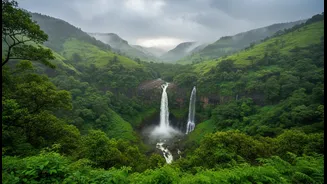
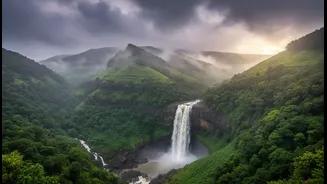
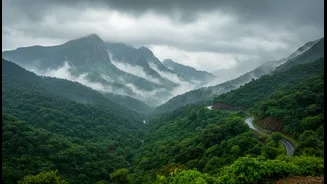
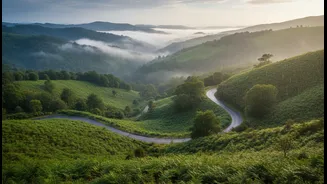
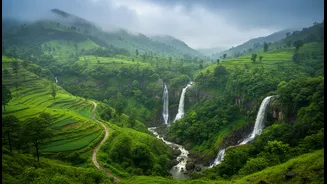
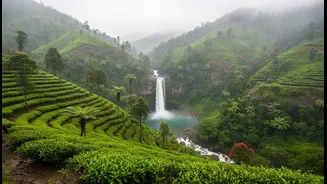
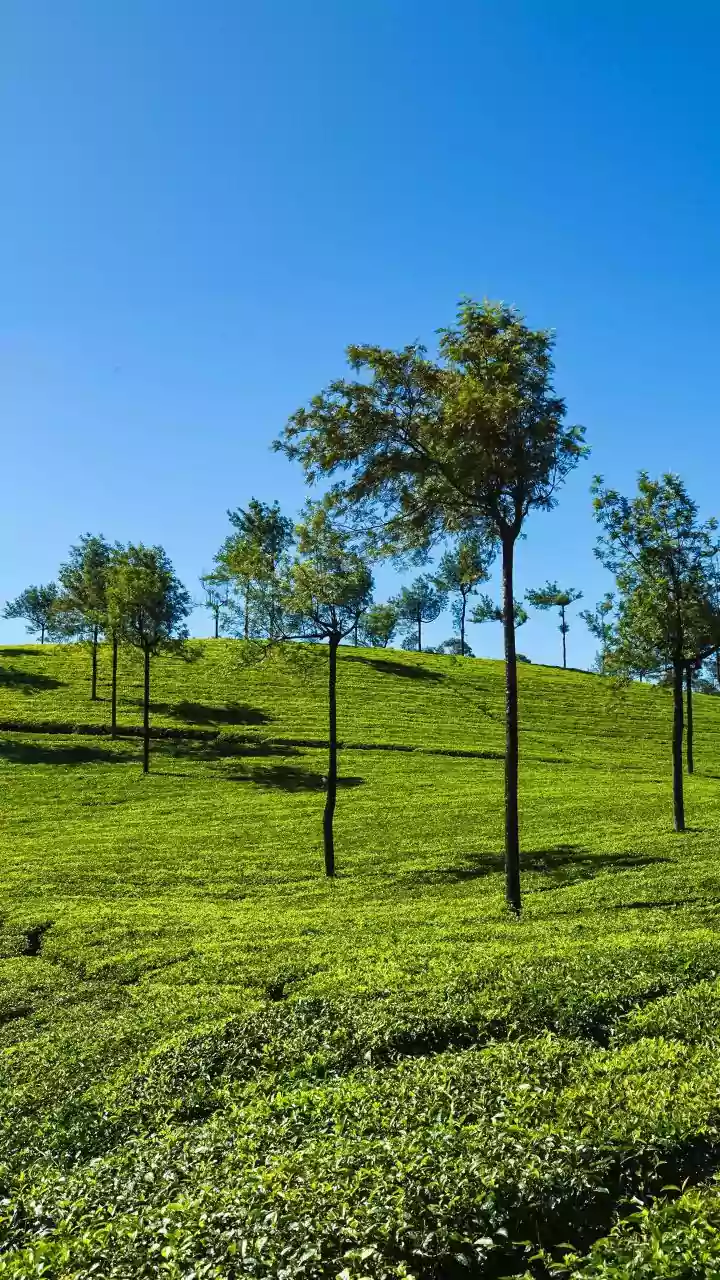
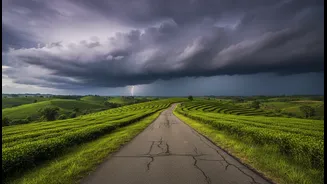
The first and most dramatic change the monsoon brings to the Western Ghats is the sheer explosion of green. The parched earth soaks up the rain, and overnight, the hills and valleys are blanketed in a thriving, green carpet. This isn't just one shade
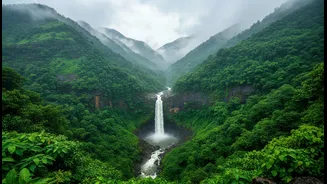
of green, but a hundred different hues, from the deep green of the forest canopy to the bright, fresh green of new shoots. This belt of green, which runs parallel to the western coast of India, is a treasure trove of biodiversity, recognised as one of the world's 'hottest biodiversity hotspots'. The mist that clings to the hillsides and floats through the valleys adds to the ethereal beauty, making every view look like a painting.
Waterfalls Roaring to Life
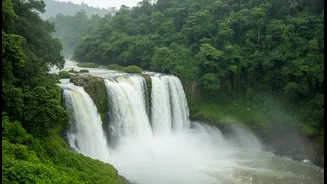
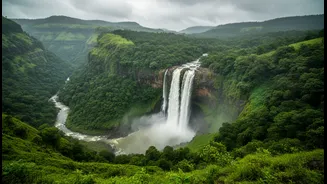
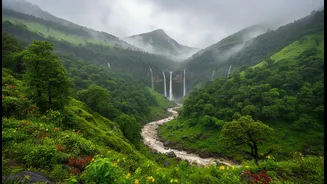
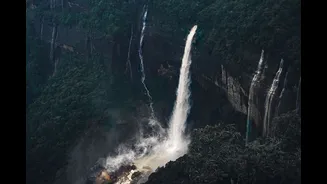
The monsoon is when the Ghats truly sing, and their song is the roar of countless waterfalls. Streams that were mere trickles in the summer swell into powerful cascades, and new waterfalls are born along roadsides and cliff faces. Mighty cataracts like Dudhsagar Falls on the Goa-Karnataka border, which translates to 'Sea of Milk', become a four-tiered spectacle of immense power. In Karnataka, Jog Falls, one of India's tallest, puts on its most glorious display. Kerala's Athirappilly Falls, often called the 'Niagara of India', becomes a wide, thundering curtain of water surrounded by lush forests. Exploring places like Malshej Ghat in Maharashtra or Tamhini Ghat becomes an adventure in itself, with waterfalls greeting you at every turn.
The Secret World of Monsoon Wildlife
For many creatures, the monsoon is a time of celebration and breeding, offering a unique chance for wildlife enthusiasts to witness a different side of nature. The air fills with the cacophonous mating calls of frogs, and a night walk can reveal rare endemic species like the Malabar Gliding Frog or the colourful Amboli leaping frog. In parts of the Sahyadris, firefly festivals light up the forests just before the heavy rains begin. While larger mammals might seek shelter, this is the best time to see amphibians, reptiles, and a flurry of insect life. The forests of Agumbe in Karnataka and Wayanad in Kerala become hotspots for this micro-biodiversity.
Trekking Through the Clouds
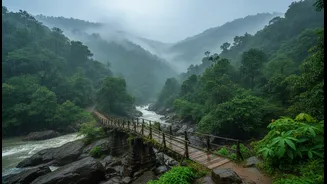
While trekking in the rain might sound daunting, for the adventurous, it's an unparalleled experience. The trails in the Western Ghats during monsoon are muddy, challenging, and incredibly rewarding. Treks to forts like Rajmachi and Lohagad in Maharashtra offer misty meadows and views of ancient ruins shrouded in clouds. In Karnataka, the Kudremukh trek, meaning 'horse face', takes you through rolling green hills and dense shola forests that feel like a different world. The constant drizzle, the cool air, and the feeling of walking through clouds create a dreamlike landscape that photographers and nature lovers cherish.
Fewer Crowds and Cosy Comforts
One of the practical advantages of visiting the Western Ghats during the monsoon is the relative solitude. With fewer tourists around, you can experience popular viewpoints, trails, and towns with a sense of peace and quiet. This off-season travel often comes with the perk of better deals on accommodation. There's also a simple, undeniable pleasure in the monsoon travel ritual: finding a cosy spot to escape a downpour and enjoying a hot cup of chai with crispy pakoras or roasted corn on the cob, all while watching the rain transform the world outside. It’s a sensory experience that connects you to the season in the most comforting way.