

The Great Protein Awakening
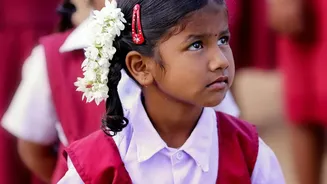
Across India, parents are becoming increasingly protein-conscious. This shift, sometimes called 'Protein-First Parenting', sees families actively monitoring and prioritising protein in their children's diets. This isn't just a fleeting trend; it's a response
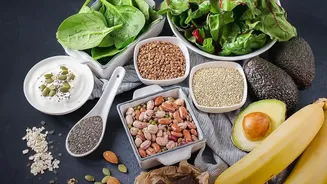
to a deeper understanding of nutrition's role in a child's development, from immunity and energy to concentration and growth. Online searches for 'protein for kids' have surged by 141% in recent years, showing a clear move by parents to address potential nutritional gaps in traditional diets, which can sometimes be heavy on carbohydrates. This focus is supported by national efforts like the POSHAN Abhiyaan (National Nutrition Mission), a government initiative aimed at improving nutritional outcomes for children and mothers, tackling long-standing issues like stunting and under-nutrition.
The Risk of a Single-Nutrient Focus
While getting enough protein is essential, an excessive focus on any single nutrient can be counterproductive. Experts warn that over-emphasising protein can lead to an imbalanced diet, potentially crowding out other crucial nutrients like complex carbohydrates, healthy fats, vitamins, and minerals that are essential for overall development. When children fill up on protein-dense foods, they may not have room for the variety of foods needed to get a full spectrum of nutrients. In extreme cases, an excessive intake of protein can put stress on a child's kidneys and liver. The goal isn't just to add protein, but to ensure it's part of a balanced nutritional framework.
Why Variety is the True Goal
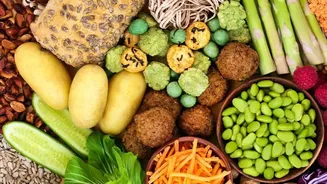
No single food provides all the nutrients a growing body requires. This is the simple but powerful reason why dietary diversity is key. A varied diet, drawing from different food groups, ensures a wide range of vitamins and minerals crucial for everything from brain development to a strong immune system. Eating a variety of foods also cultivates a healthy gut microbiome, which influences everything from digestion to long-term health. Research shows a strong link between dietary diversity and healthy growth indicators in children. Furthermore, exposing children to different flavours and textures early on can help prevent picky eating habits and foster a lifelong appreciation for healthy food.
Building a Balanced Indian Thali
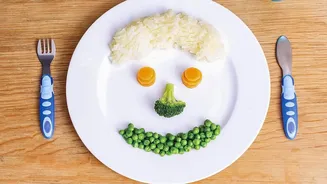
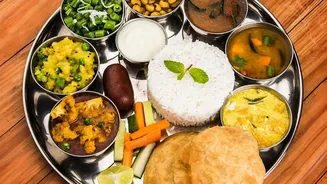
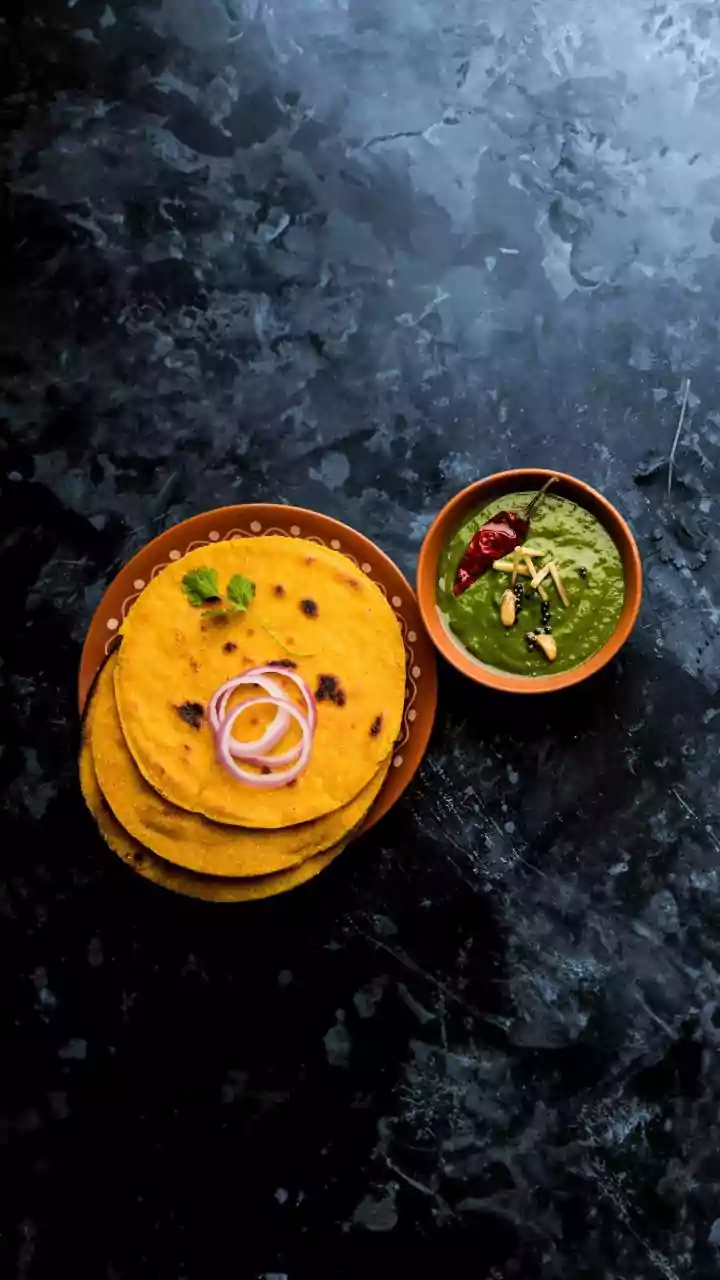
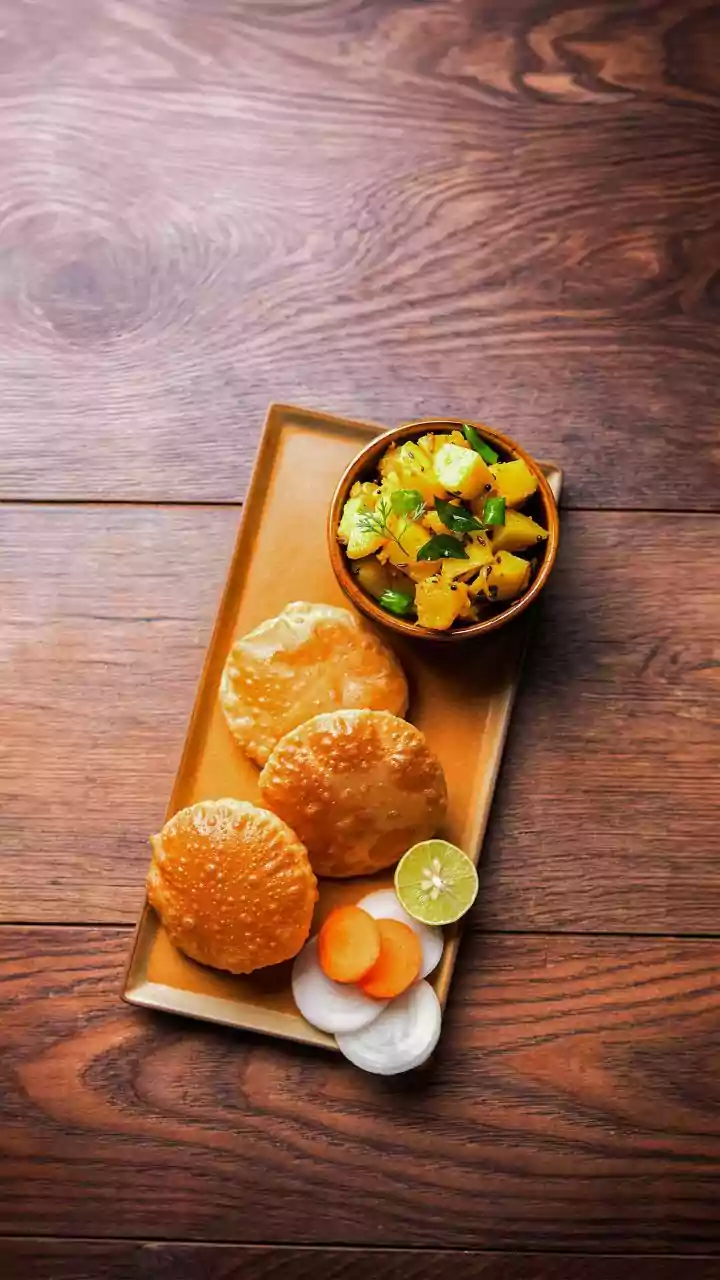
A balanced plate for a child doesn't require expensive or exotic ingredients. The traditional Indian thali is already a great model for balanced nutrition. A simple guideline is to divide the plate: include a source of complex carbohydrates like roti, rice, or millets; a protein source like dal, paneer, eggs, or chicken; a generous portion of colourful vegetables; and a serving of curd or a glass of milk for calcium. A small amount of healthy fat, such as ghee, is also vital for brain development. The key is ensuring different types of dals, vegetables, and grains are rotated throughout the week. For example, instead of just one type of dal, try incorporating moong, masoor, chana, and rajma into the weekly menu.