








The Anatomy of a Viral Food Sensation
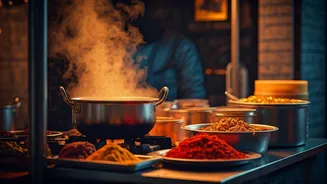
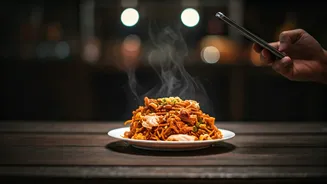
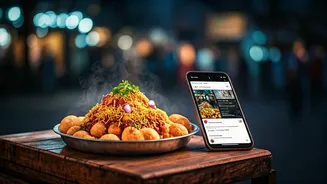
It’s a formula that has proven its power time and again across India’s bustling urban landscapes. A food vlogger discovers a relatively unknown vendor, films their process in a slick, fast-paced Reel, and posts it. The algorithm takes over. The video
highlights a unique selling point: maybe it’s the vendor’s charismatic personality, an unusual ingredient, or just the mesmerising way they flip a dosa. Social media has become a powerful, cost-effective marketing tool for these small entrepreneurs who previously relied only on word-of-mouth. [7, 8] Food has become a central theme in online discourse, and short-form videos have democratised food recommendations, empowering users to share their dining experiences with unprecedented reach. [7, 11]
Case Study: The 'Vada Pav Girl' of Delhi
Perhaps no story better illustrates this phenomenon than that of Chandrika Gera Dixit, famously known as Delhi's 'Vada Pav Girl'. [3] Dixit, who used to work at Haldiram's, started her vada pav cart after her son fell ill. [4] Her journey began with just a small stock, but her fortunes changed dramatically after food vlogger Amit Jindal featured her in a video. [4] Her story, combined with her resilience against alleged pressure from local officials to remove her stall, created a viral narrative of a plucky entrepreneur. [5] The Instagram-driven patronage grew so immense that she collaborated with other internet celebrities, was seen with a luxury car, and even landed a spot on the reality show Bigg Boss OTT 3. [4, 6] Her fame inspired a wave of new vada pav carts across Delhi, each hoping to capture a bit of the viral magic. [4]
From Local Gems to Must-Visit Hotspots
This isn't just a Delhi story. Across the country, similar tales are unfolding. In Chennai, a PhD scholar in Biotechnology named Tarul Rayan, who runs a street food cart to support his studies, gained overnight fame after an American vlogger's video about him went viral. [14] The video highlighted his academic pursuits alongside his culinary skills, creating a compelling human-interest story that drew widespread admiration. [14] These viral moments transform vendors from anonymous faces into city-wide personalities. [8] Their stalls become more than just places to eat; they become landmarks and destinations for both locals and tourists, all thanks to the 'inadvertent promotion' provided by content creators. [8]
The 'Reel' Economy and Its Challenges
For vendors, going viral can be a life-changing economic boon. The sudden influx of customers often translates to significantly higher daily earnings, allowing them to support their families and, in some cases, even expand their business. However, this newfound fame is a double-edged sword. The pressure to maintain quality and consistency amidst overwhelming demand can be immense. [10] Many street vendors lack the infrastructure for proper storage, sanitation, and waste disposal, and a sudden surge in business can exacerbate these issues. [15, 12] Furthermore, a single negative review or controversy on social media can tarnish a hard-won reputation just as quickly as it was built. [7] Vendors also face harassment and bureaucratic hurdles, which can intensify under the glare of the social media spotlight. [5, 12]